Category: Blog

  • The Santa Cruz Wrap

    The Santa Cruz Wrap

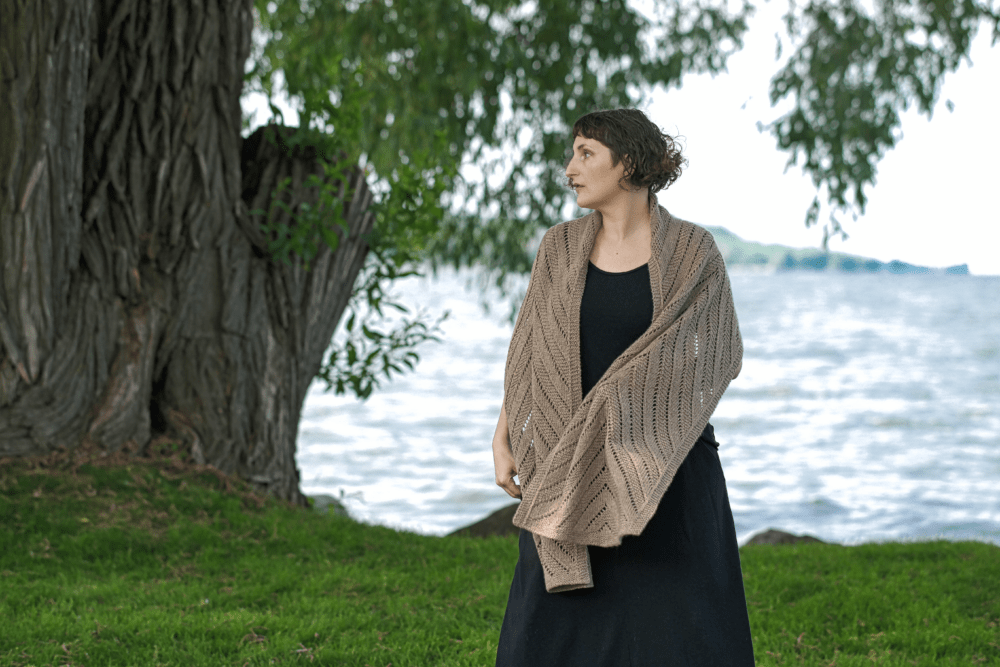
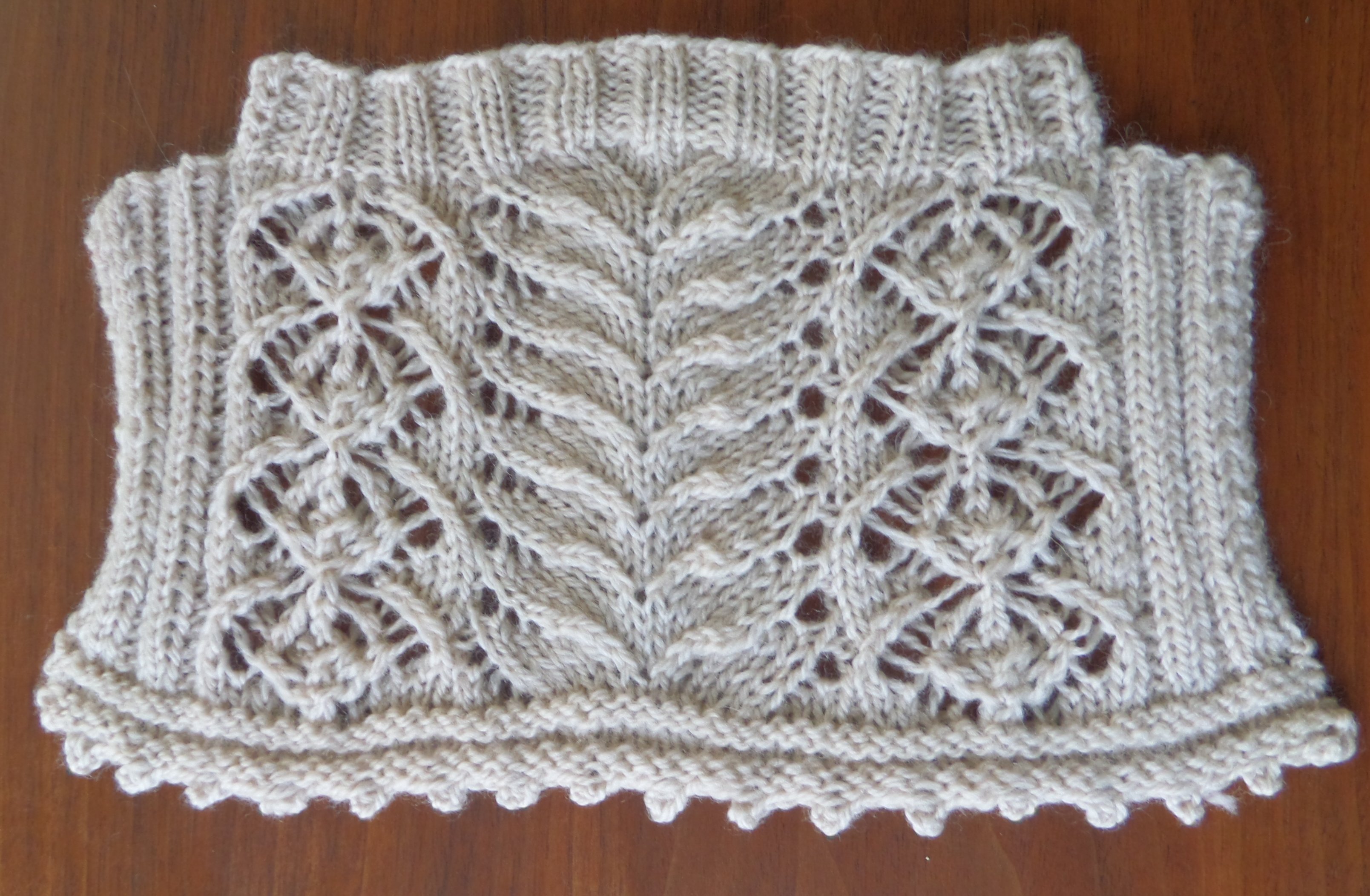
    Last summer while I was packing up and moving out of the swampI received an email from Meghan Babin (the editor of several Interweave publications) asking me to submit 2 to 3 design ideas for their new digital magazine; Wool Studio. It was wonderful to have something creative to think about while I sorted, packed, and cleaned, and after all the work was done I had 3 ideas that just needed to be sketched out and swatched. The design that was chosen for the issue was a wrap in a geometric lace pattern using gorgeous June Cashmere dk yarn. 

    The wrap begins at the center with a circular cast-on and increases at the corners to create a square. Alternating bands of garter stitch and stockinette create textural interest, and look good from both sides. The top and bottom of the square are bound off with a knitted-on garter stitch edging, that flows seamlessly into the border of the shawl.

    After the center square is completed, each side of the wrap is worked separately back and forth. Although the pattern is given in 2 large charts, it becomes intuitive after a few repeats and you don’t have to refer to the chart for every row.

    The Santa Cruz Wrap is available for digital download from Ravelry and Payhip.

    Thank you for knitting!

  • Keeping Track of Repeats

    Keeping Track of Repeats

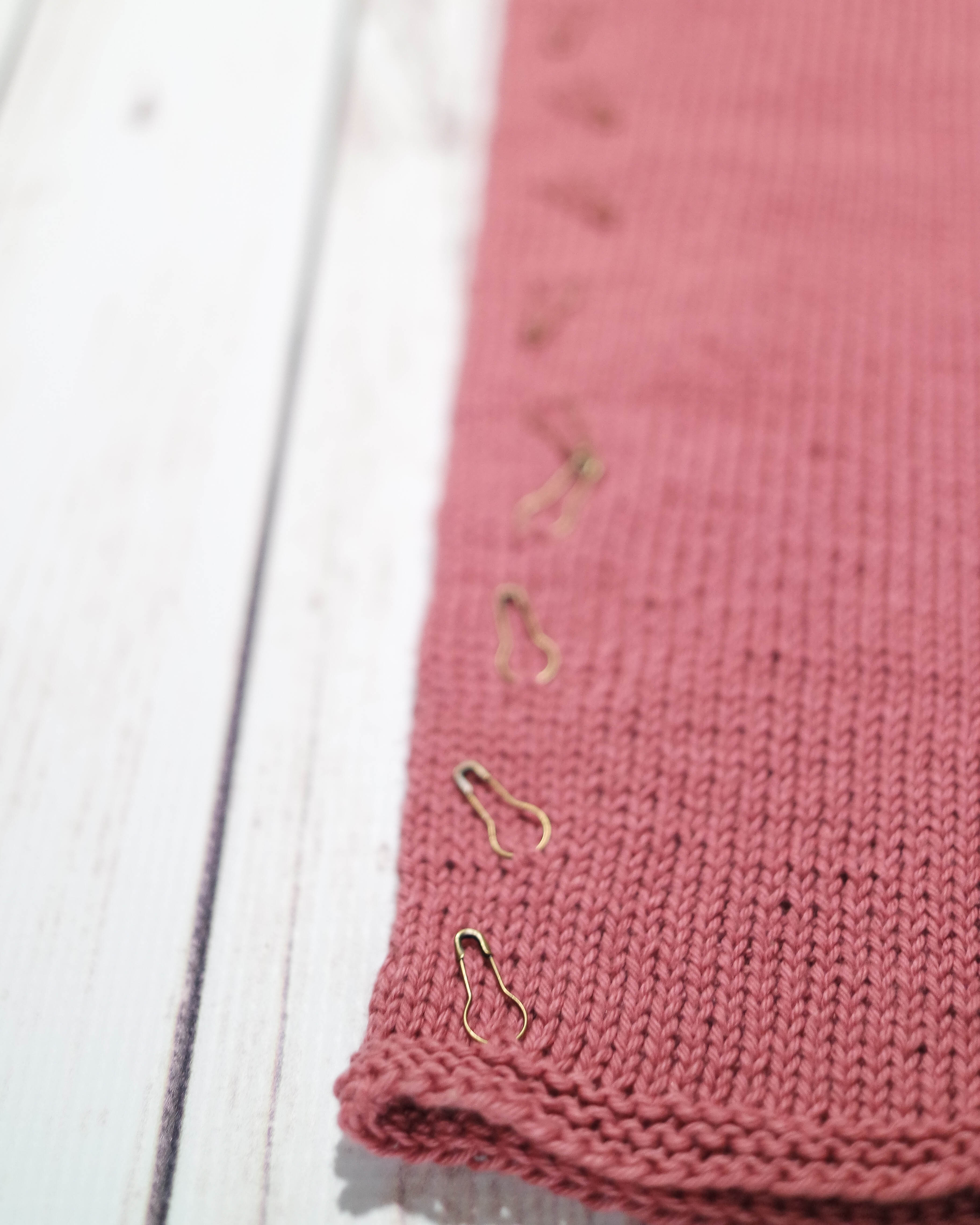
    I have seen knitters use all kinds of different methods to keep track of pattern rows and repeats. Row counters, spreadsheets, a handwritten list of every row with a check mark beside it when that row is complete. I never liked any of these methods. What happens when you forget to click your row counter? Or lose your speadsheet? Or have to rip back and erase your check marks? No, I’ve found the best way to keep track of repeats in my knitting is in my knitting itself. A few years ago I discovered bulb safety pins, (shown above) which have become my favorite tools for this purpose, but before that I used coil-less safety pins or locking stitch markers.

    The method is simple; whenever you perform the repeated action, (increase, decrease, cable, etc.) place a pin in a stitch on that row. In the photo above I inserted a pin into every decrease row. That way all I had to do was the count the rows from the last pin to determine when to make the next decrease. I left all the pins in place so I could easily tell how many decreases I had already made by counting the pins.


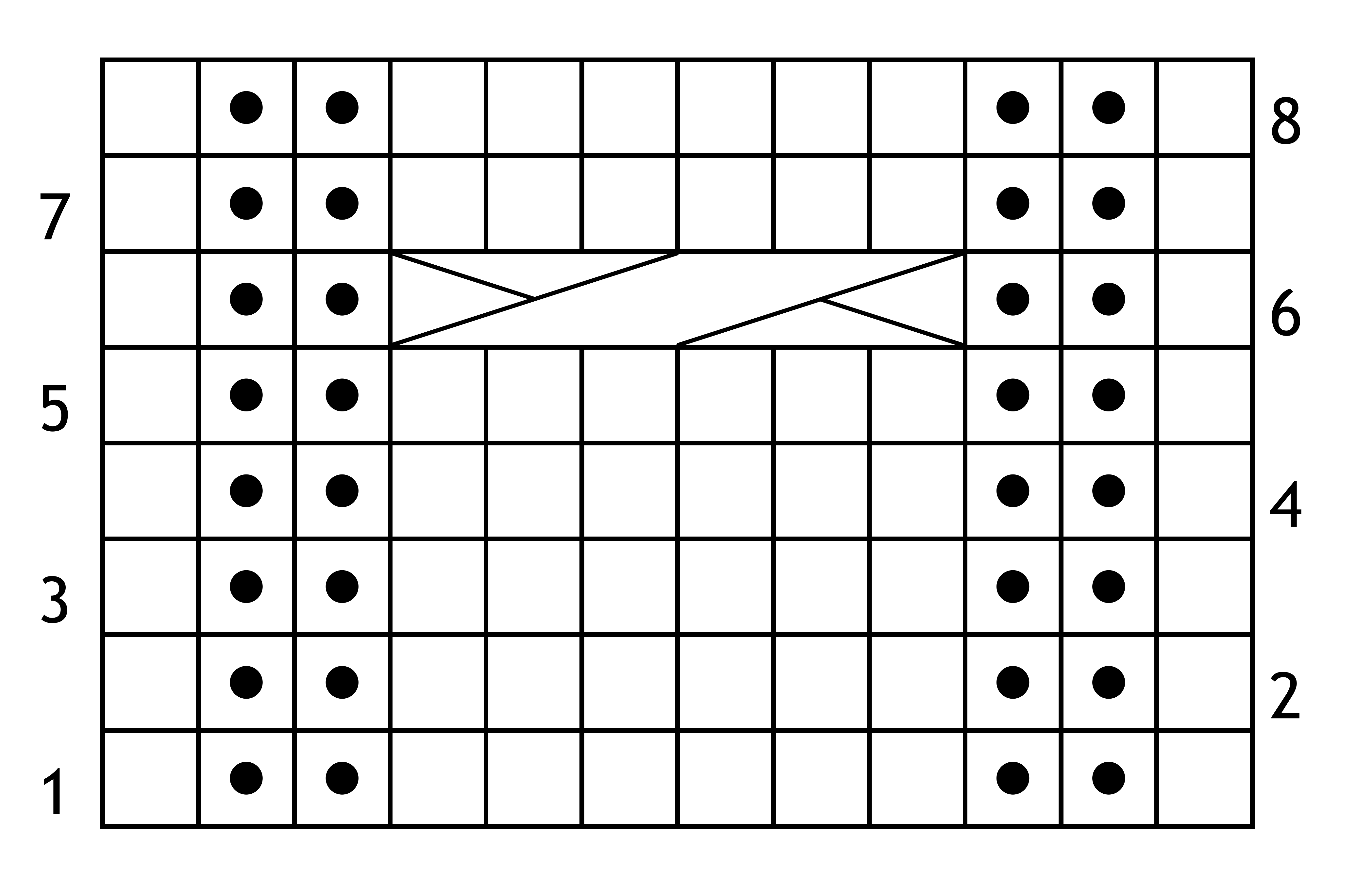
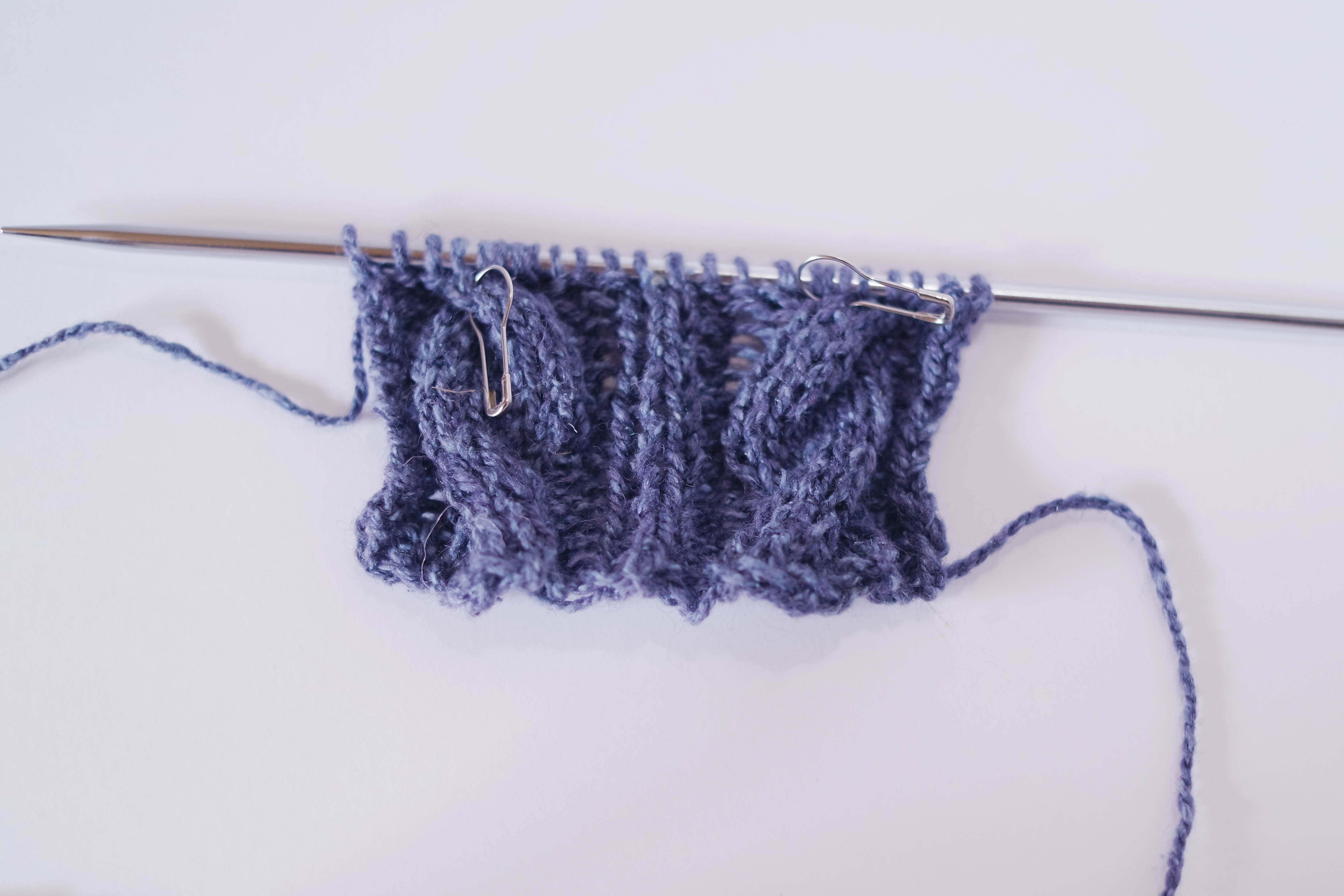
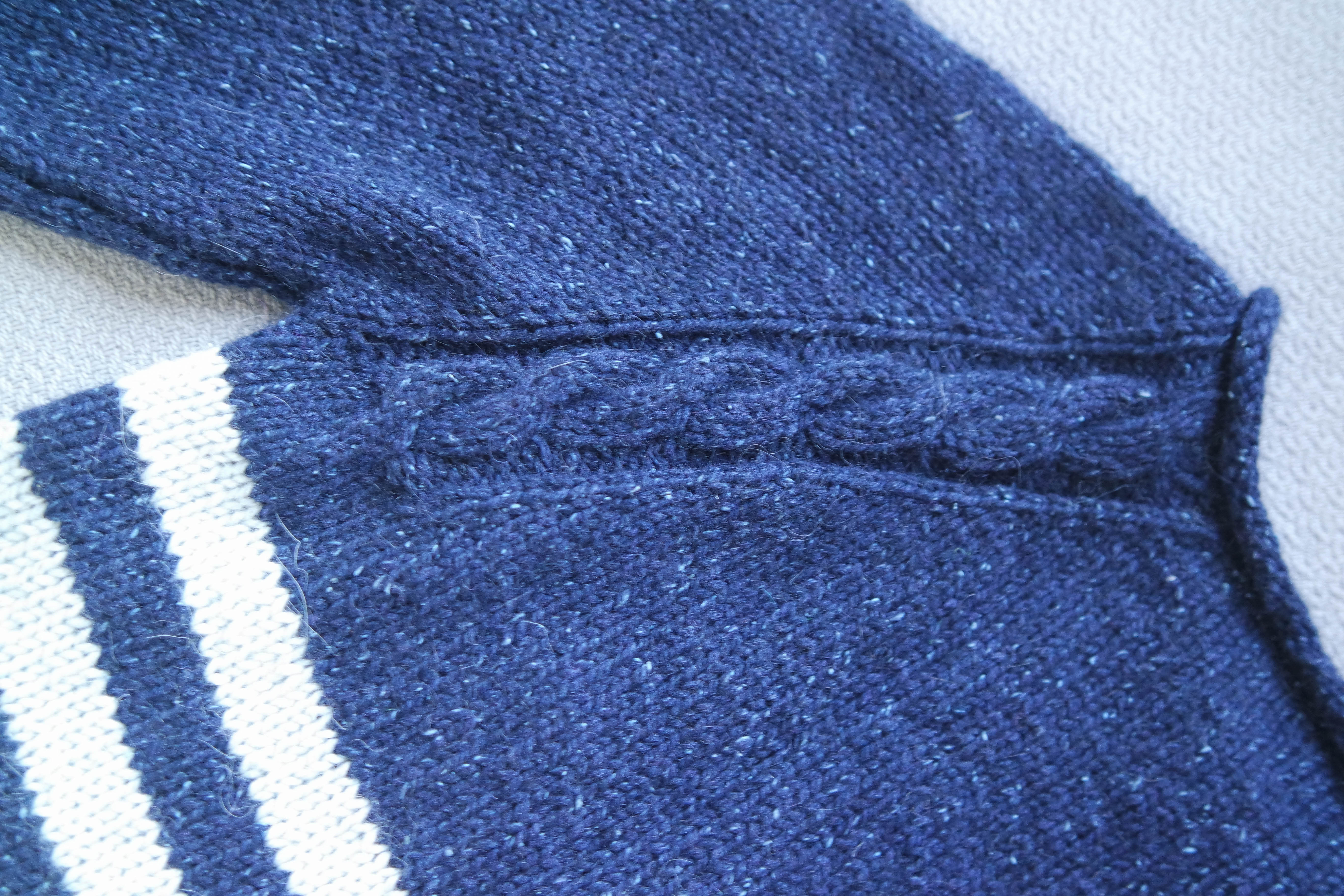
    You can do the same thing with cable patterns. Here I placed pins in the first cable row of the pattern.

    The cable row is repeated every eighth row, so when there are seven rows above the pins it is time to work the cable row again.

    After the cable row is completed the pins are moved up to the current row.

    In a pattern like the Bristol Raglan, where the raglan shaping and cable patterns are worked at the same time but at different rates, you can use pins to keep track of both sets of repeats at the same time. Just use two pins; one for the increases and another for the cables. With the pins right in your knitting you’ll know exactly when and where to perform the repeated action.

    I hope you find this tip helpful, and thank you for knitting!


  • Storm Clouds Shawl

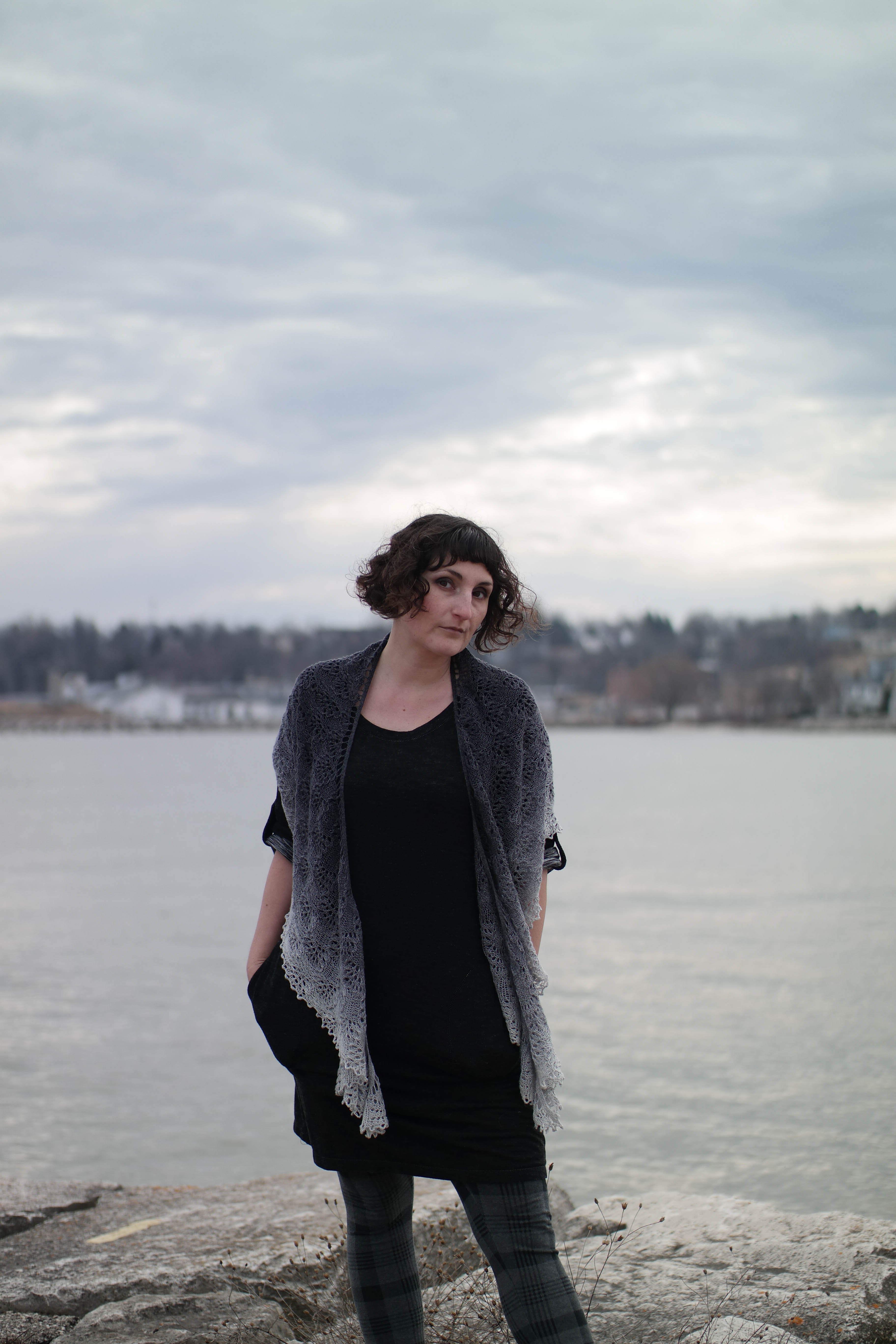
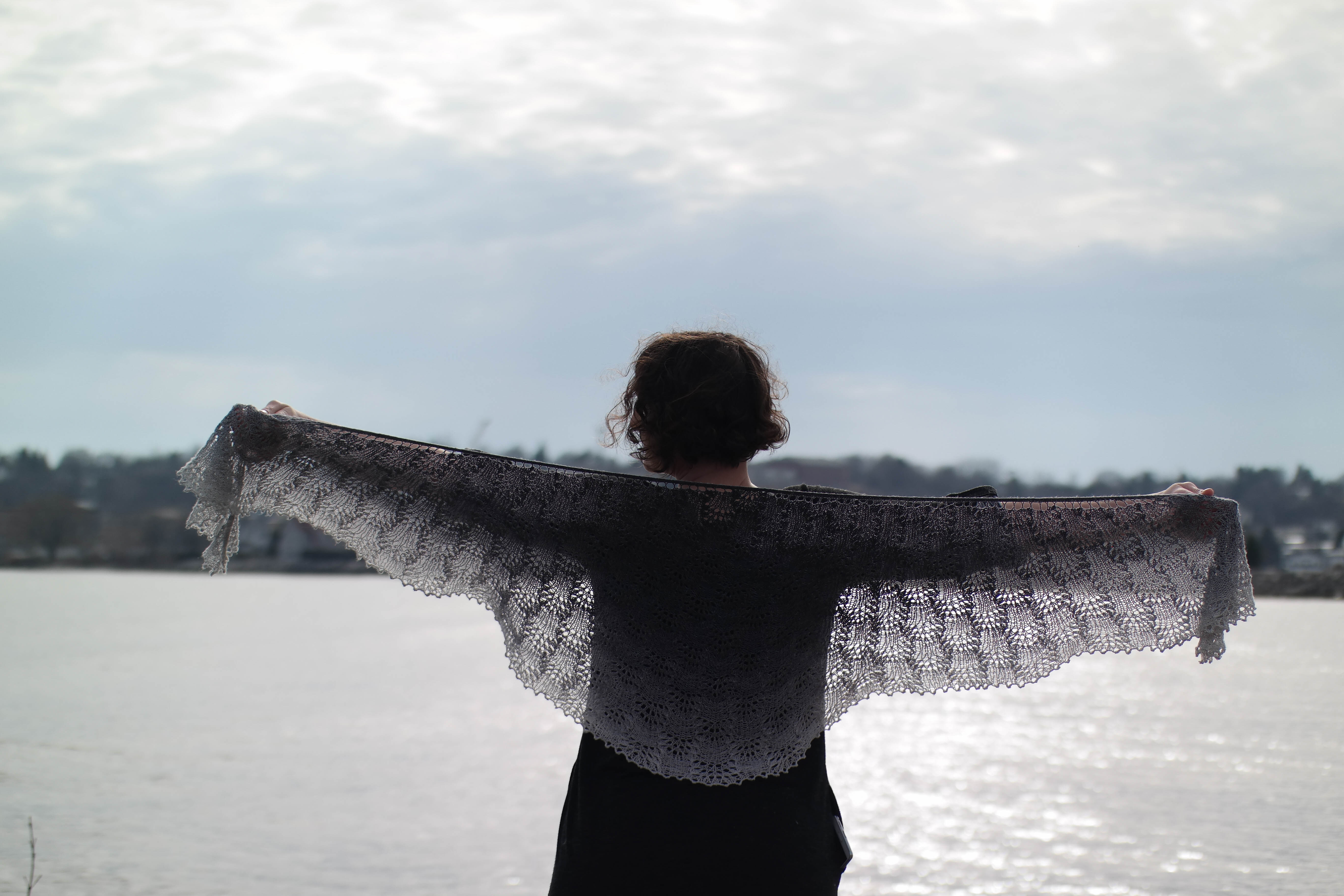
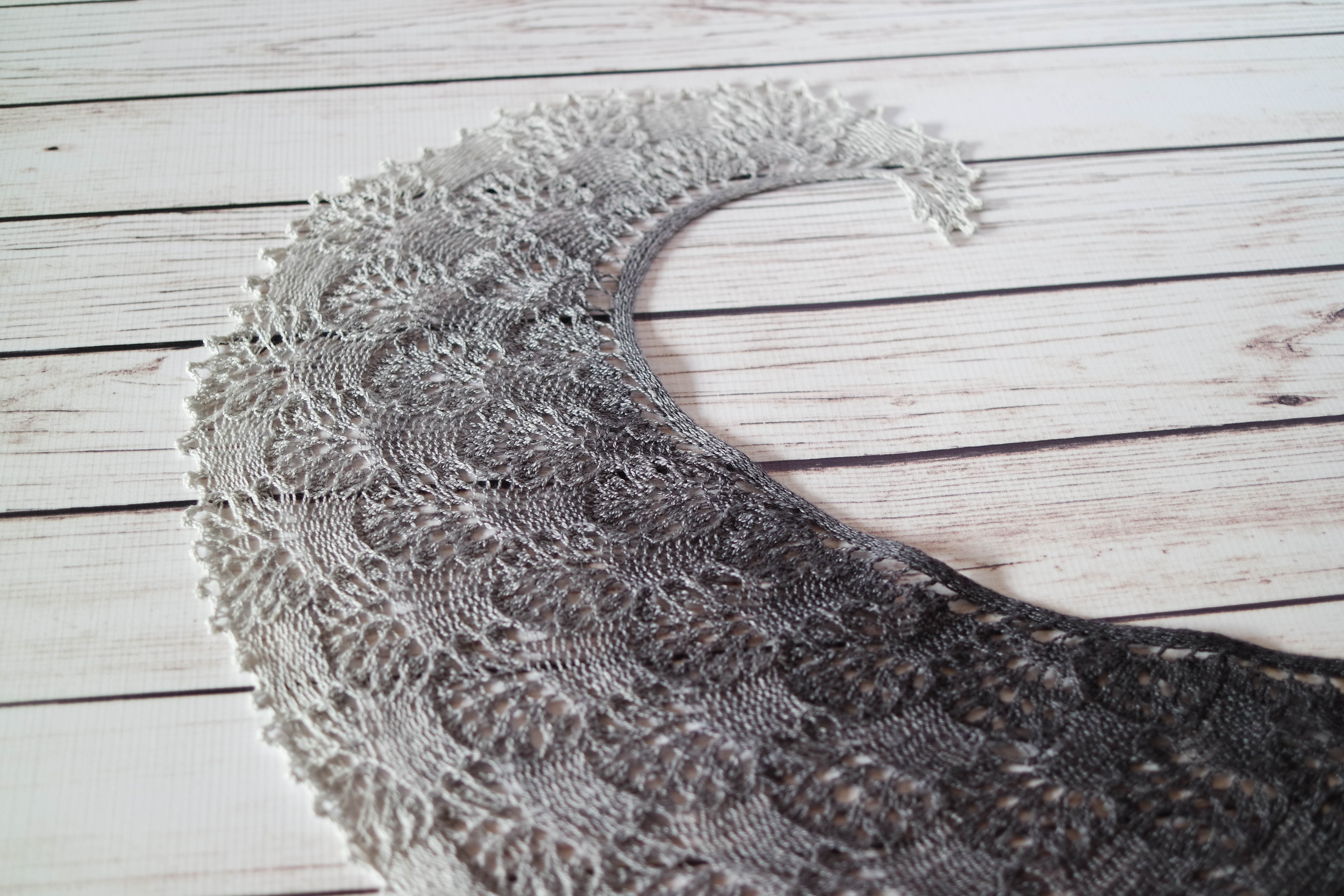
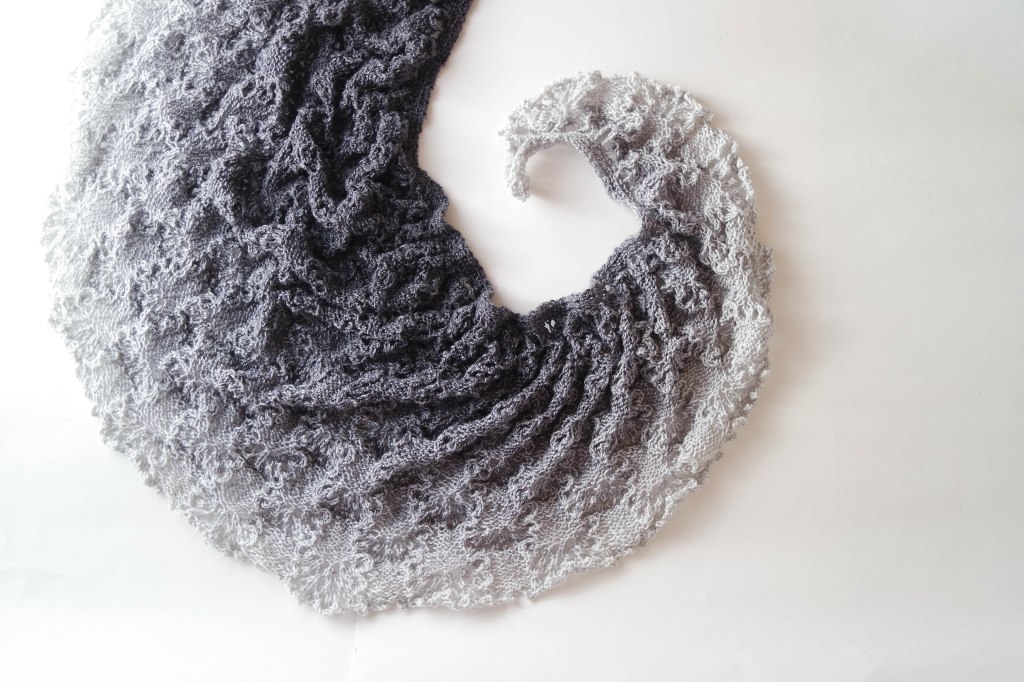
    Storm Clouds is my latest self-published shawl pattern. It uses the same crescent shape construction as my Current shawl, but with a different lace pattern and a picot bind-off.

    Like all my lace shawls, the pattern includes both written directions and charts. The lace is a fairly simple repeat, but the knit 4 together decrease can be a little difficult, so an alternative 4-into-1 decrease is included in the pattern.

    The yarn I used is a gorgeous silk and wool blend lace weight from Wollelfe. I love the way the lace pattern looks in this delicate gradient, but my test knitters also had excellent results with solid, variegated, and heavier yarns.

    You can see all the details on the pattern page, and if you have any questions please post them in the Kephren Knitting Studio Ravelry group. I can’t wait to see what your Storm Clouds will look like!

    Thank you for knitting!

  • The Keeley Gansey

    The Keeley Gansey

    The Keeley Gansey was my first design submitted, and accepted to a magazine. It’s been over a year since the pattern was first published and that means that the distribution rights have reverted back to me. The pattern is now available as a PDF download from my Ravelry store, with revised directions and a a new sample in different yarn. I thought it would also be fun to look at the design process, which started two years ago with the design submission call from Interweave Knits magazine.

    This is an excerpt from that call:

    “Give us your best Arans, Fair Isle pullovers, ganseys, Nordic ski sweaters, Icelandic yokes, Bohus yokes, and more. Show us rich texture and colorwork in traditional shapes: drop shoulders, underarm gussets, unshaped bodies, steeks, picked-up sleeves, circular knitting. What subtle details can you introduce to make the looks modern without totally redesigning the archetype?”

    I was intrigued, and decided to design a Gansey, but instead of making it the traditional way from the bottom up, I would start at the top and work down. I also decided to use lace patterns instead of the traditional knit and purl patterns or cables. Lace patterns are sometimes used on Ganseys, but I wanted this design to be especially feminine by adapting traditional Gansey elements to flatter a woman’s figure.

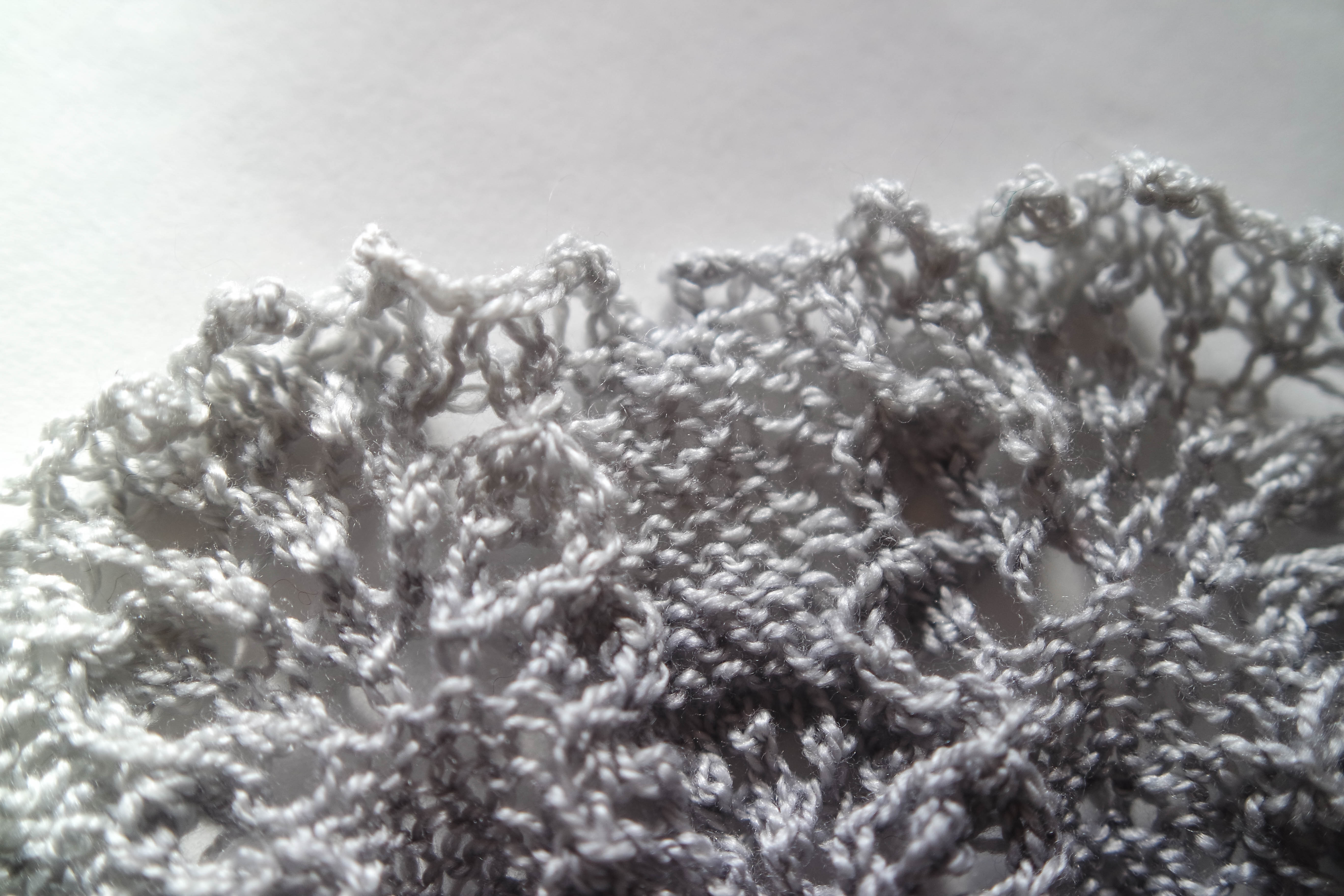
    I started with this swatch:

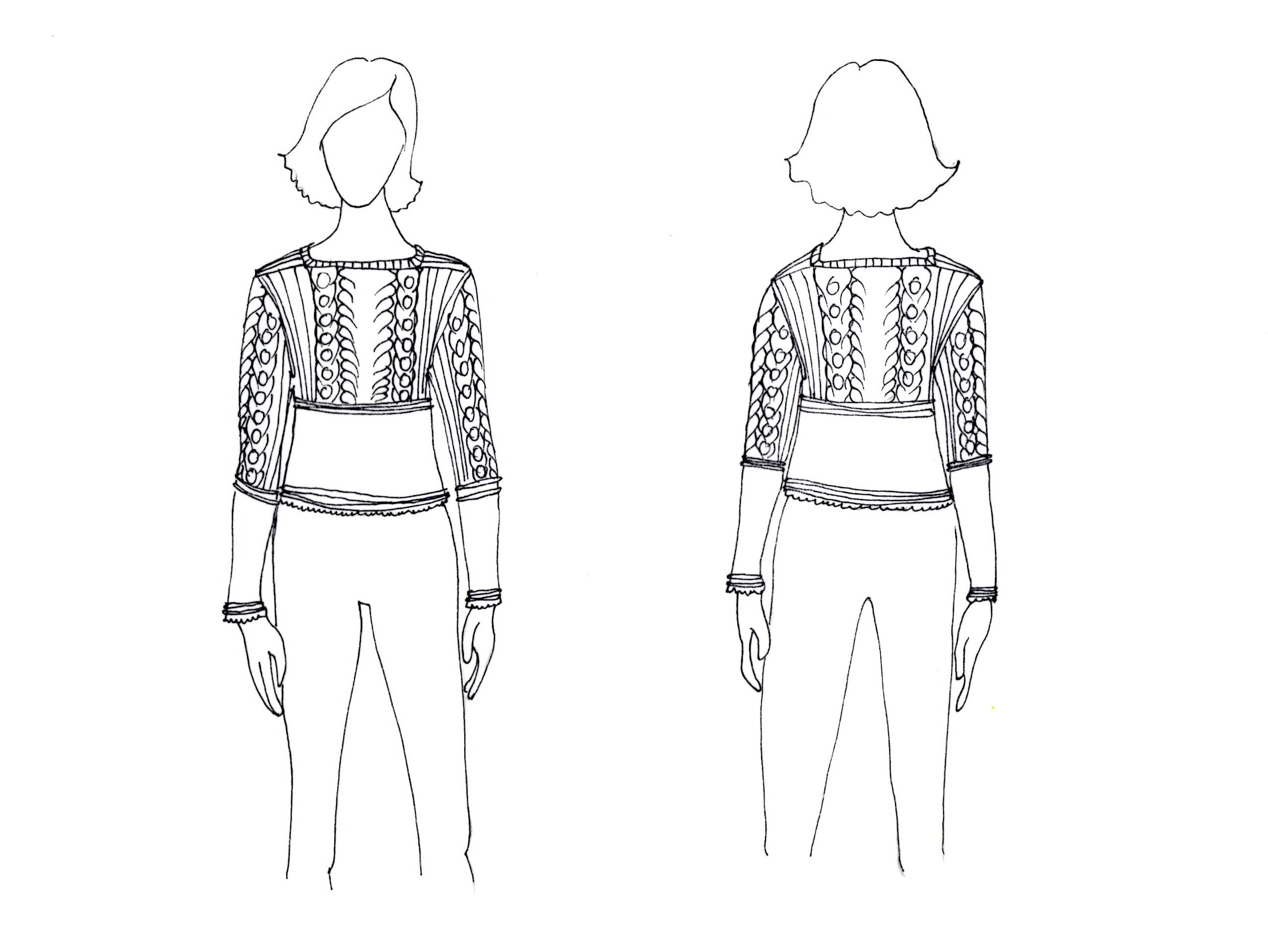
    And this sketch:


    I also included two pages of notes, a detailed schematic, and a hand drawn assembly diagram. I wanted to be sure that the magazine editors had as clear a picture of my idea as the one I had in my head. I was still surprised when my design was chosen for the issue.

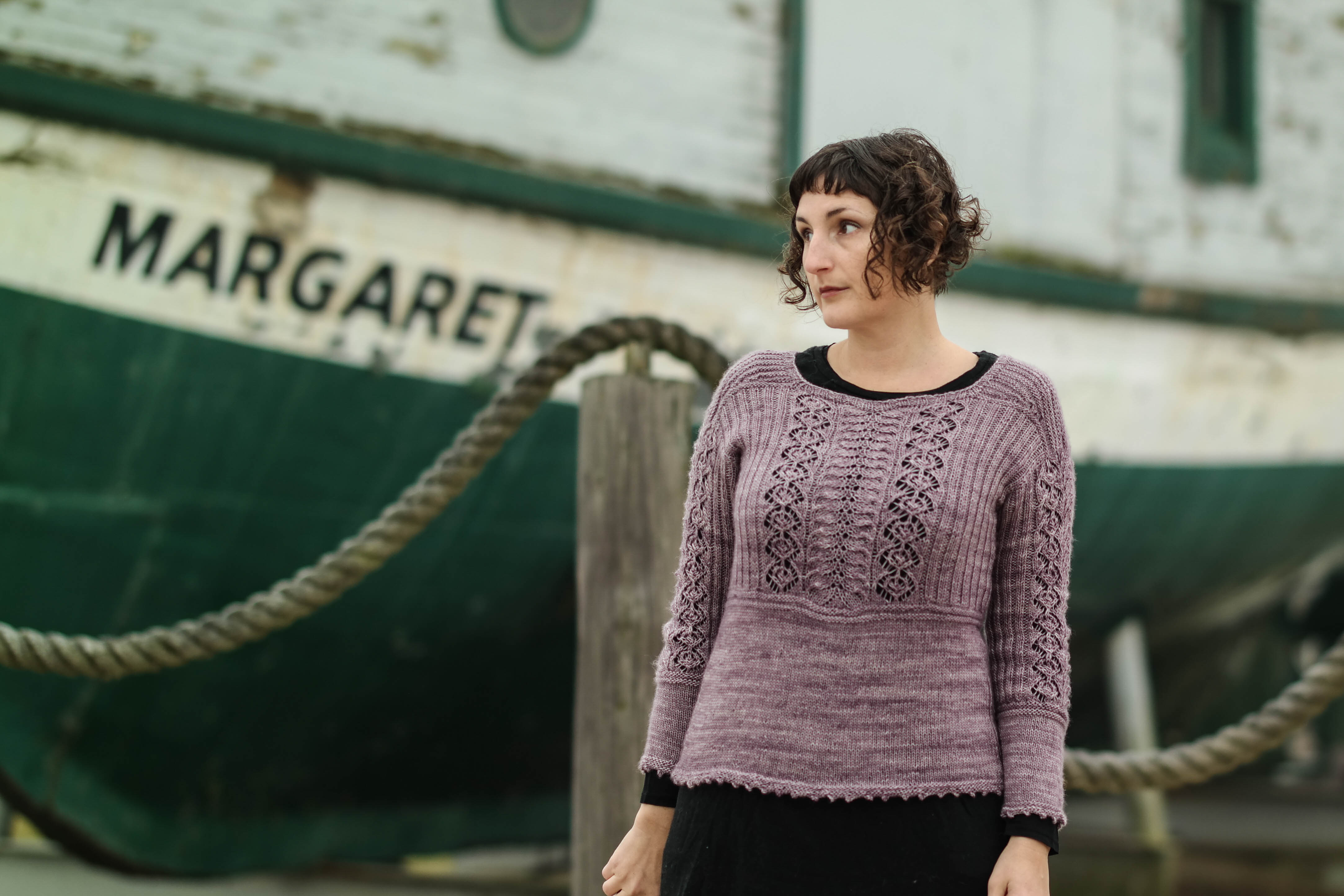
    Lisa Shroyer, the editor at the time, discussed a few different yarn options with me and we settled on Dale of Norway Heilo, a sport weight 100% wool yarn in a natural oatmeal color. The yarn was a little thicker than the yarn I had used in my swatch, causing the lace to have more of a textural quality and creating a denser fabric than I had imagined. The design still turned out beautifully and I was really pleased with the result!

    Copyright Harper Point Photography

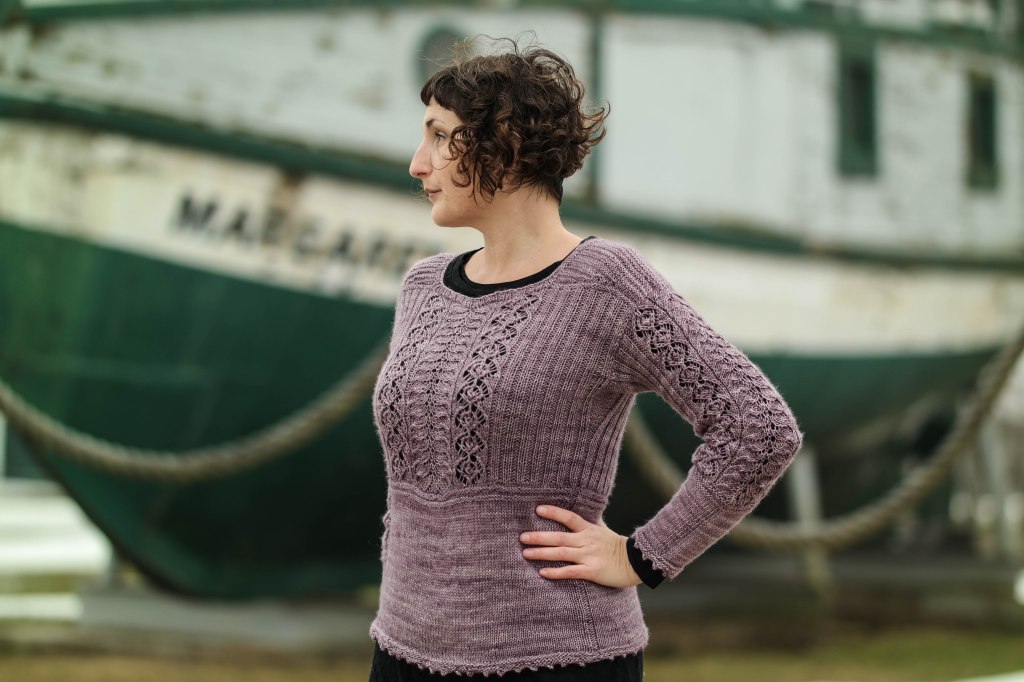
    The magazine was first published in November 2016, and a year later I had the option to publish my own version of the design on Ravelry and anywhere else. I wanted to see how the sweater would look in a finer yarn at the same gauge, so I pulled some of my favorite yarn out of my stash, madelinetosh Tosh Merino Light, and knit a second sample while revising the pattern to fit my style sheet.

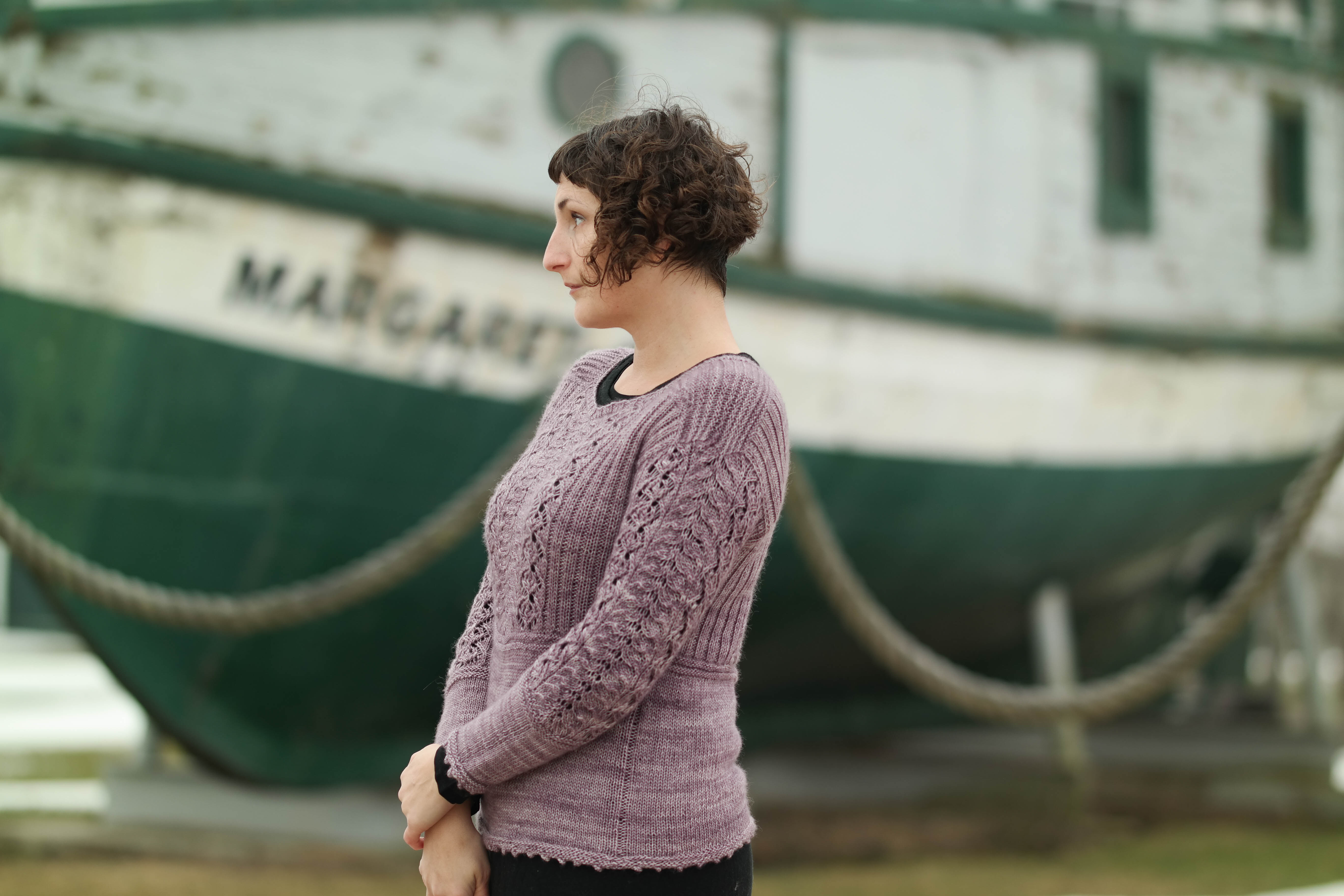
    You can see in the new Keeley Gansey that the lace pattern is much more open and the fabric has a bit more drape. I think the pattern works great in either yarn! It took me longer than I wanted to finish the revisions, but the new PDF version also includes written directions as well as a chart for the lace panels, and an assembly diagram for the shoulder straps and neck cast-on. The pattern photos were taken at the Algoma Marina, with Margaret, a historic fishing tug, in the background. I think it’s the perfect setting for this Fisherman style sweater.

    Thank you for knitting!


  • Stashbusting

    Stashbusting

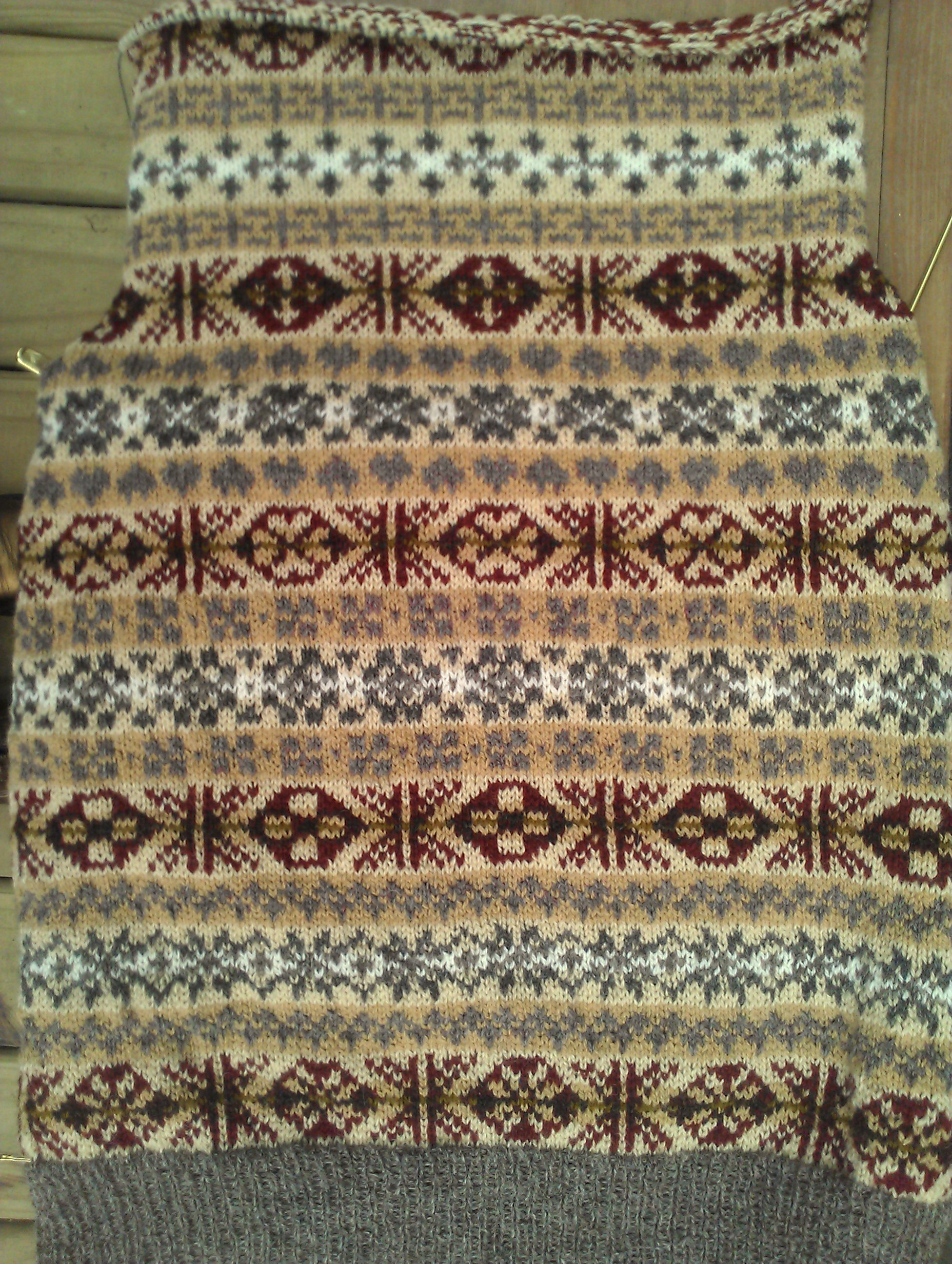
    Last weekend there was a big sale on Craftsy classes. I had just finished reading Knitlandia by Clara Parks, in which she talks about filming her Craftsy class; Stashbusting: Make the Most of the Yarns You Have. After debating with myself most of the weekend, I bought the class and started watching it on Monday. My stash is pretty well organized, even though there is too much of it. I have given away or sold a lot of yarn in the last year, and I finished or ripped out almost all of my UFOs last month, but there was one last sweater, hidden away in a box under the bed. I knew I would never finish it, it didn’t even fit me anymore, but the yarn could not be reused. The sweater was worked in an allover Fair Isle pattern with ten different colors and color changes almost every row. I had cut the yarn every time I changed color, leaving the ends to weave in later. The daunting task of weaving in all those ends was another reason I knew I would never finish that sweater. So when Clara started talking about repurposing UFOs, I started thinking about what I wanted to do to that sweater. I stopped the video, got the sweater out from under the bed, and started cutting.

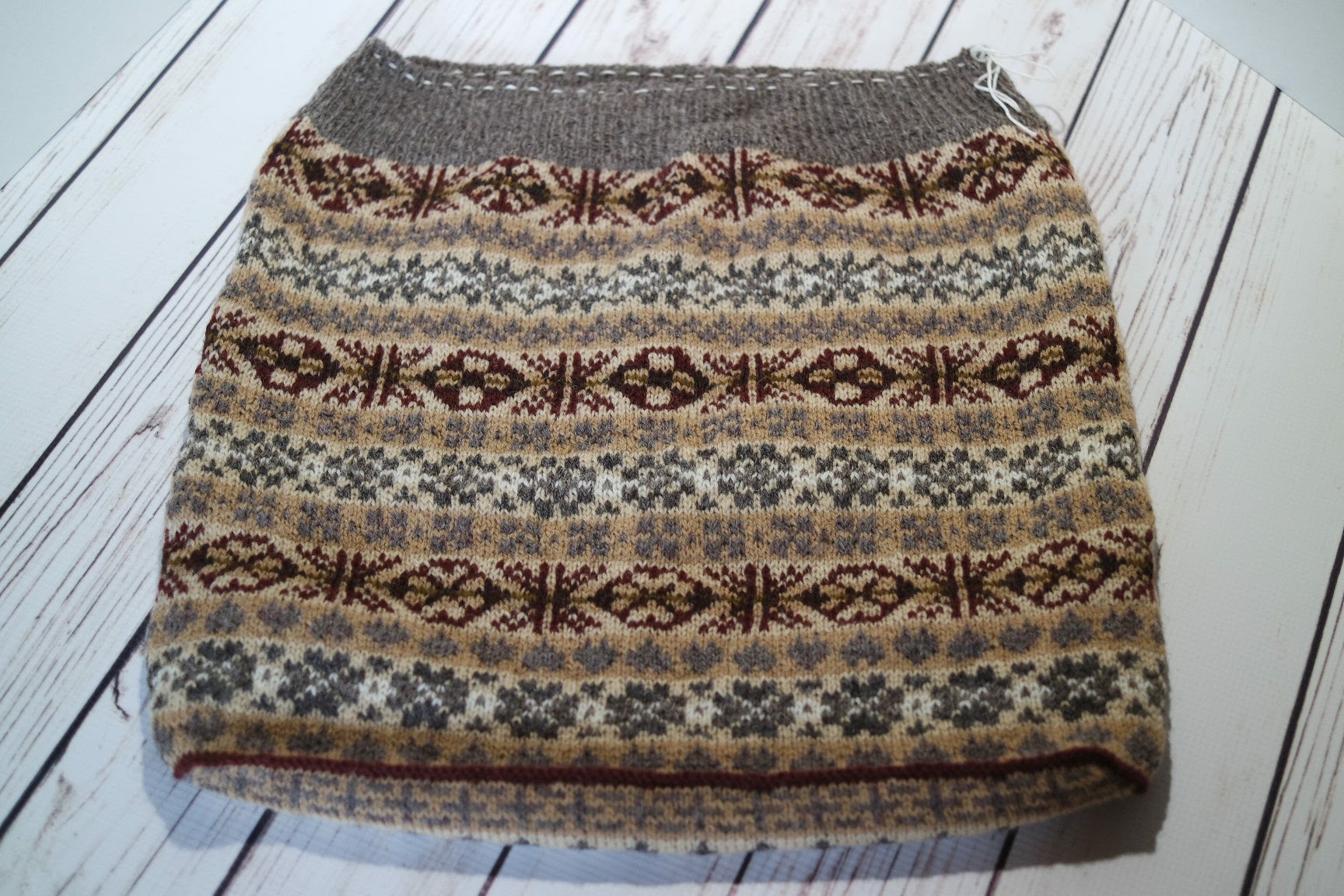
    I took this picture the last time I worked on the sweater, in 2013. I had finished the body up to the underarms, and the back up to the neck. The pullover was going to have set-in sleeves, so there were stitches on pins for the underarms and stitches were decreased at the sides for the arm holes. Clara’s suggestion to turn unfinished sweaters into pillows is a good idea, but not really my style. I’d rather have a bag instead. So I cut the back off the body and put all the body stitches back on a circular needle. I was debating whether to sew up the top or the bottom when it hit me that I could use the back to create a base for the bag. More cutting, to get the right size rectangular piece from the back, and I put the live stitches from the top and bottom of the piece on another circular needle. I knit one row in red around the body and used the same color to knit the stitches on the base and pick up stitches on each side. It took a lot of counting and recounting to make sure I had the same number of stitches on each piece! Then I used a three-needle bind-off to join the two pieces. It creates a nice little ridge around the bottom of the bag which you can see in this photo.

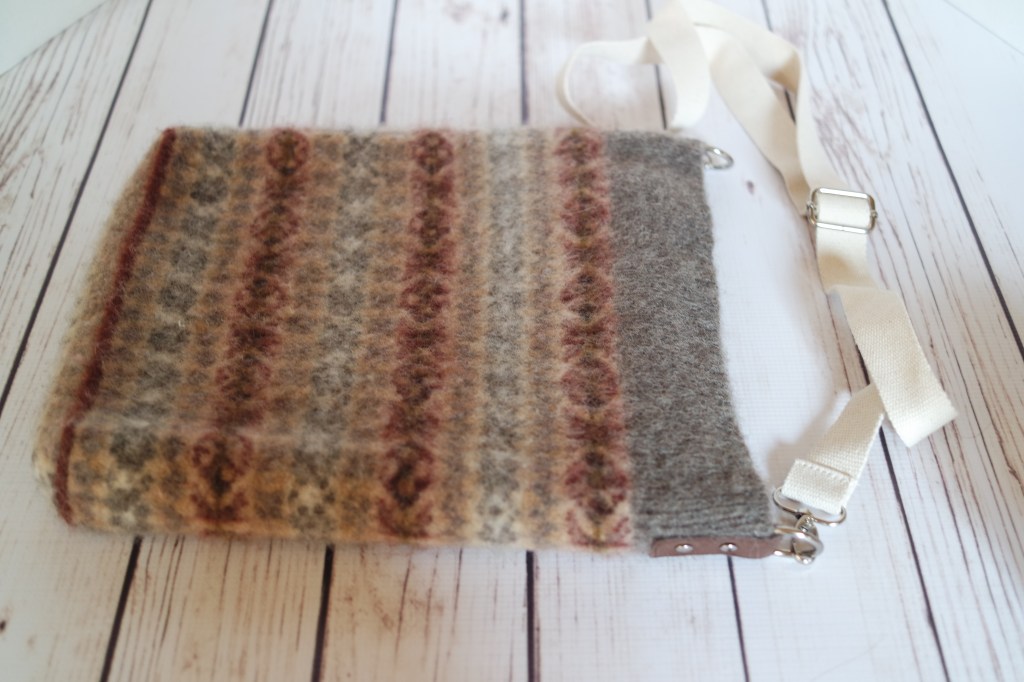
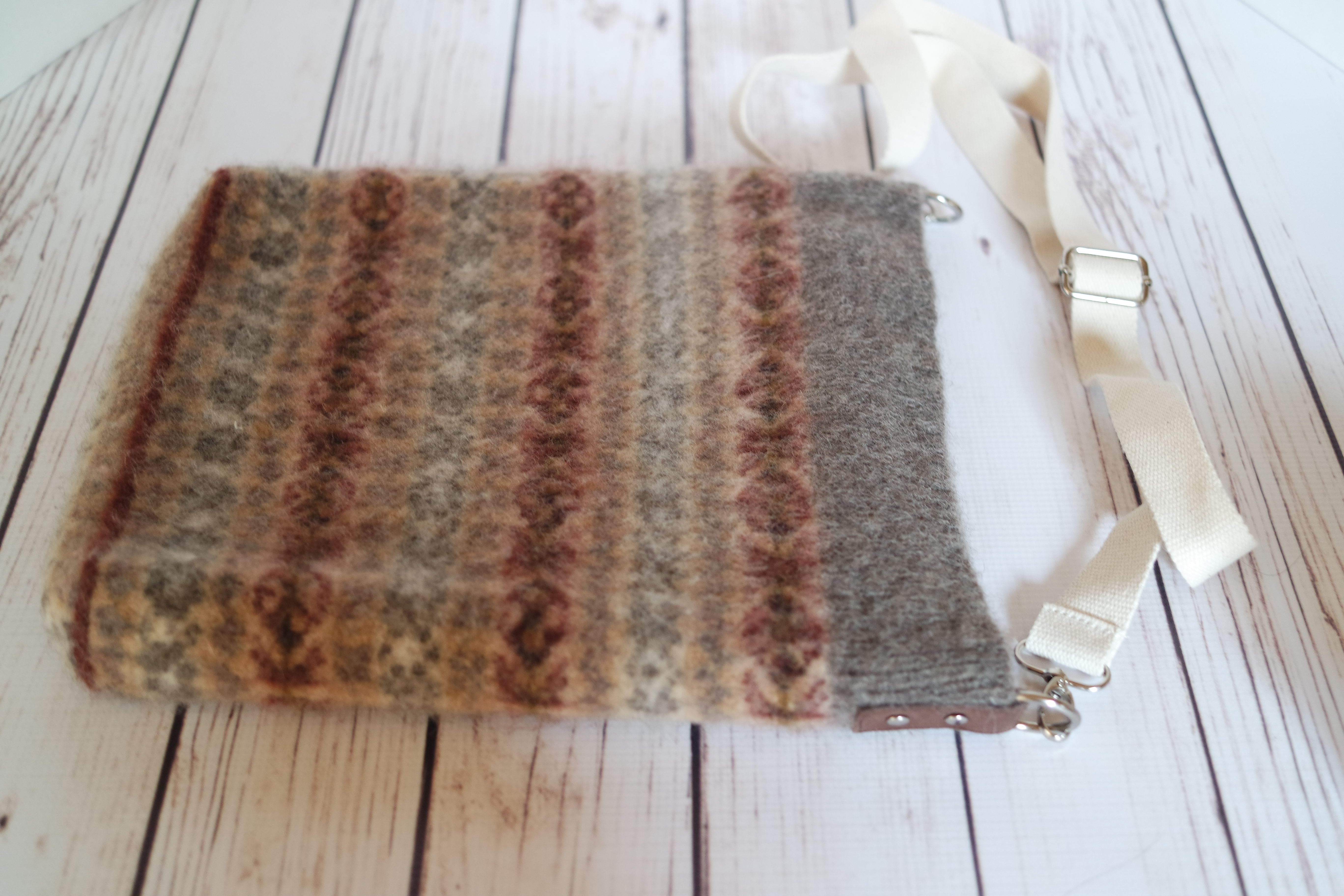
    The sweater was worked in fingering weight yarn, so the fabric was pretty thin, and floppier than I like for a bag. It was also huge! About 17 inches wide and 16 inches deep and don’t forget all the ends that I was determined not to weave in. The solution to all those problems? Felt it! I’ve noticed other times when I felted bags or bowls that the opening tends to flare and get stretched out of shape, so I ran a length of cotton thread through the ribbing at the top. I also zipped the piece into a mesh bag before putting it in the washer. It didn’t get distorted at all in the felting process, and shrunk to just the right size, big enough to fit a three ring binder or sketchbook. I stopped at a craft store yesterday afternoon and found a shoulder strap and attachments.

    Et voila! I have a felted book bag! Now what do I do with the leftover yarn?


    Thank you for knitting!

  • For The Love Of Short Rows

    For The Love Of Short Rows

    I LOVE short rows! They are the perfect option for shaping seamless garments, and since I discovered German Short Rows I love them even more! German Short Rows are, in my opinion, the easiest, fastest, and best looking way to work short rows. I used them to shape the shoulders in the Keeley Sweater, and the neckline in the Blowout Cardigan and Jean’s Jacket. I also used short rows to shape the high/low hemline in the Linden Street Pullover and to create the lace and garter stitch wedges on A Thousand Rainy Days. There is a KAL for the love of short rows starting February 14, 2017, in the third vault on the left Ravelry group. Use the code ShortRowLove17 to get 20% off A Thousand Rainy Days and several other patterns from different designers. You can see the complete list here.

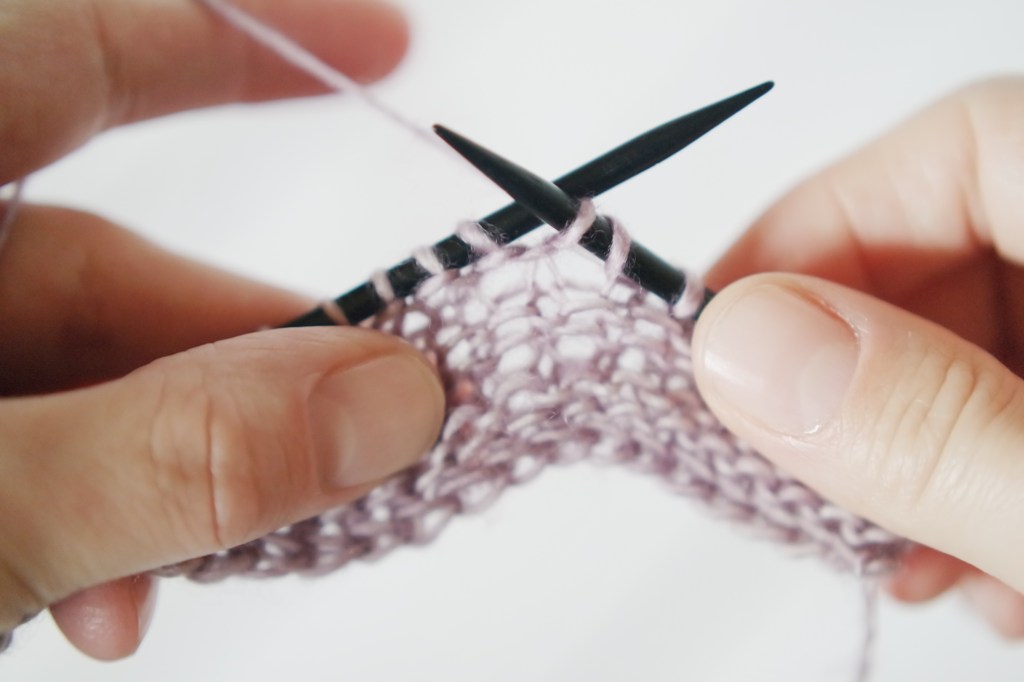
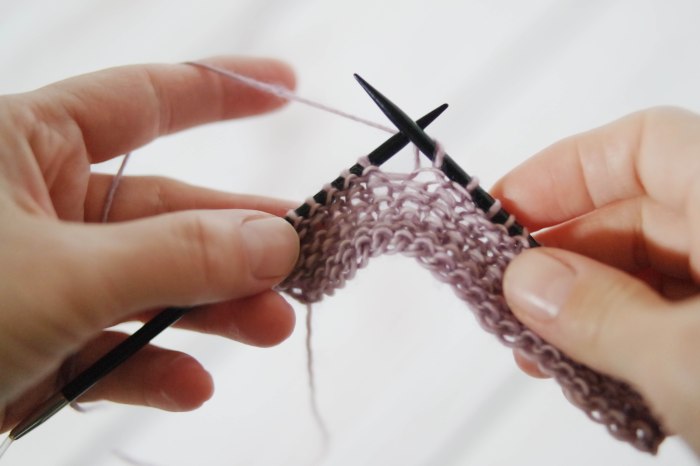
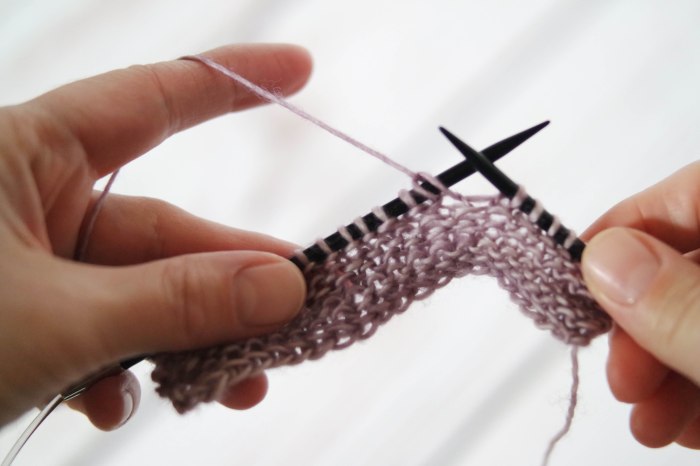
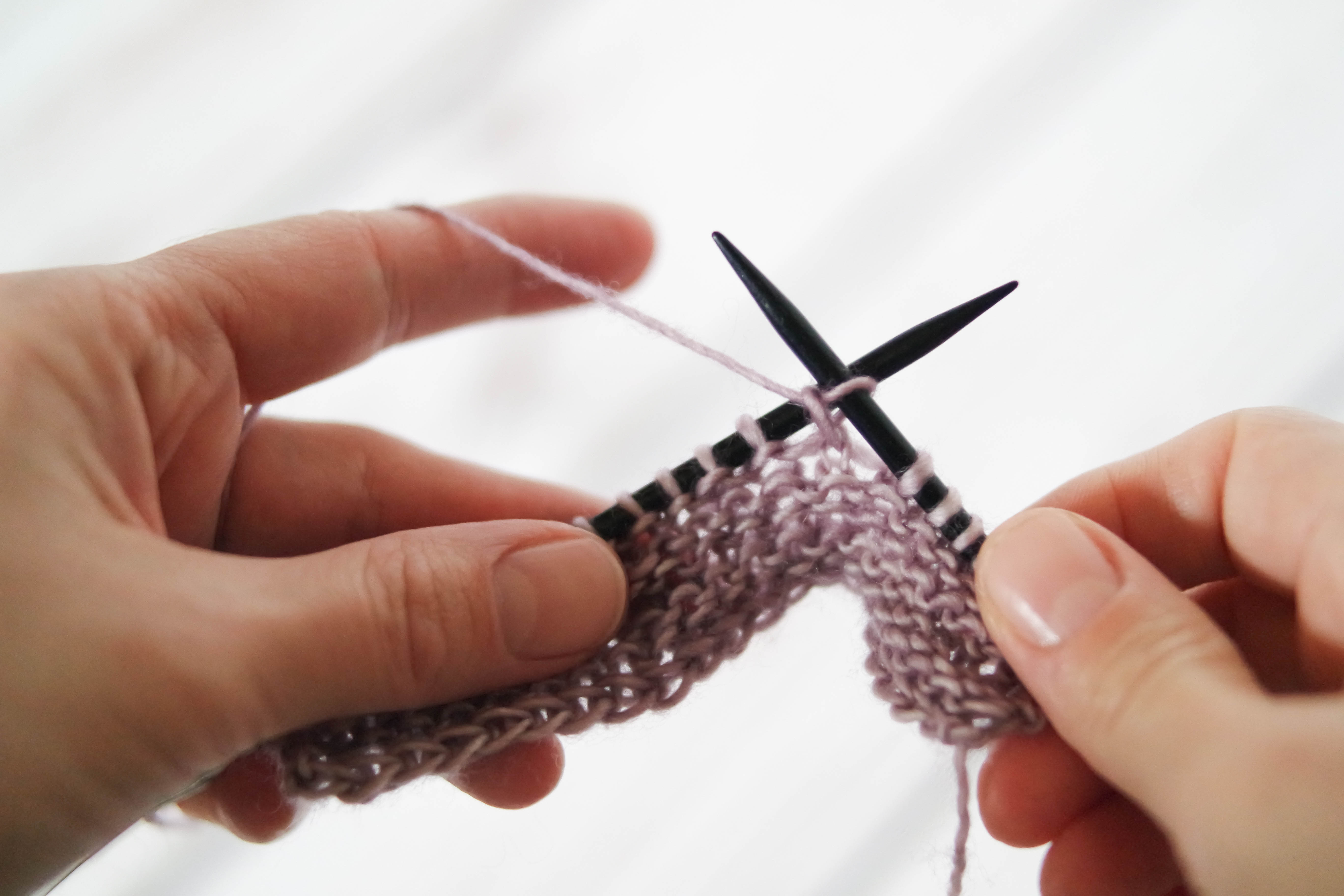
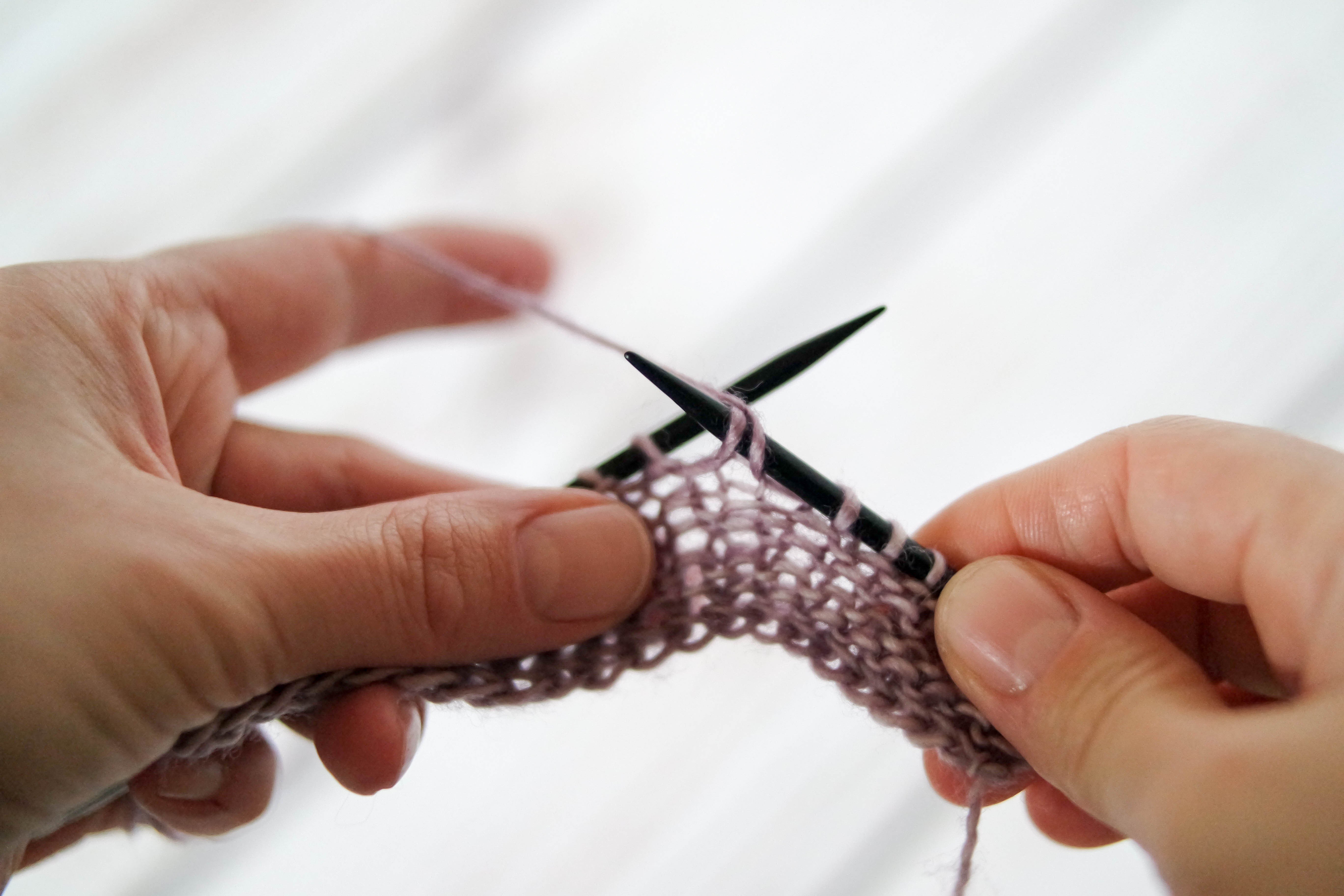
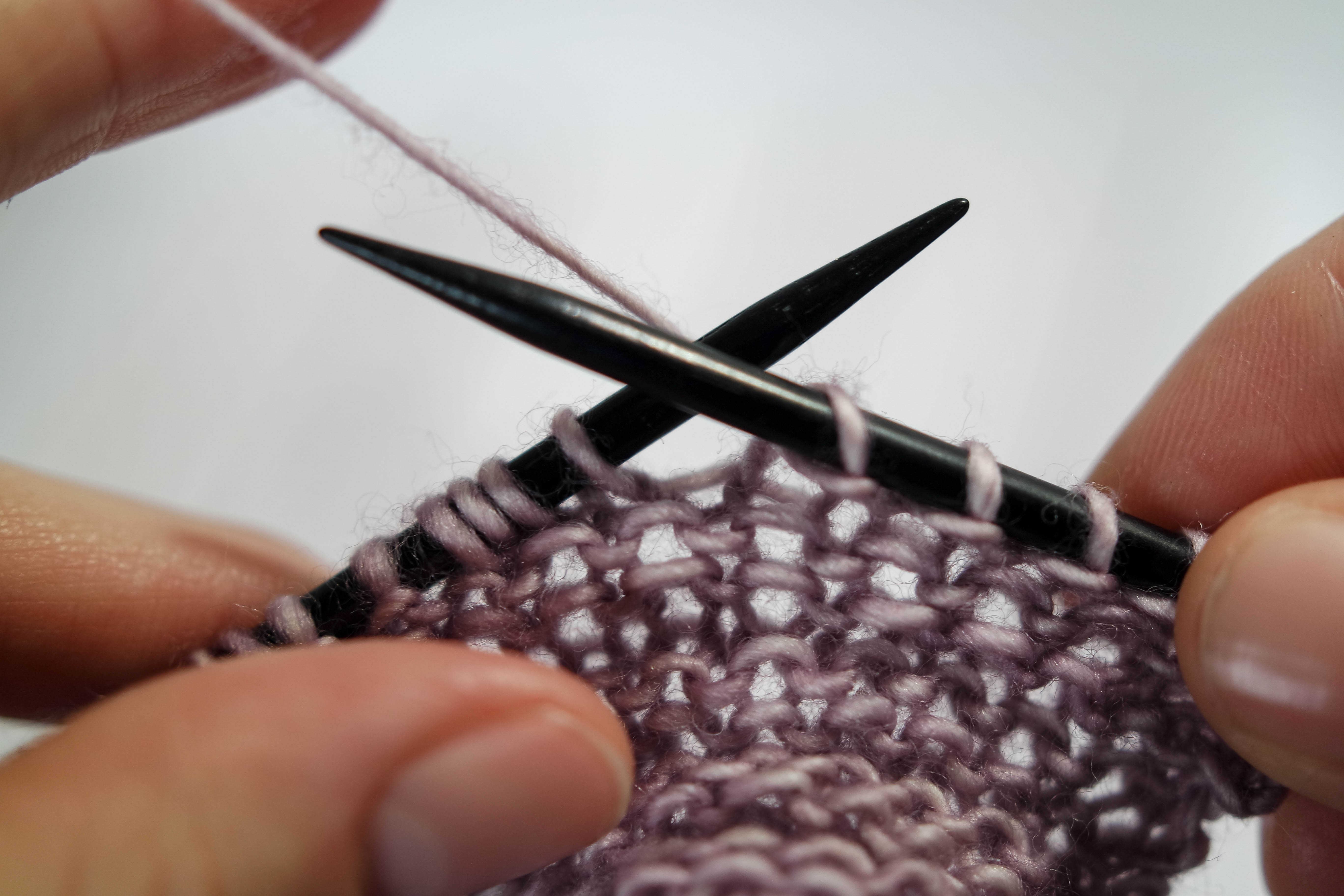
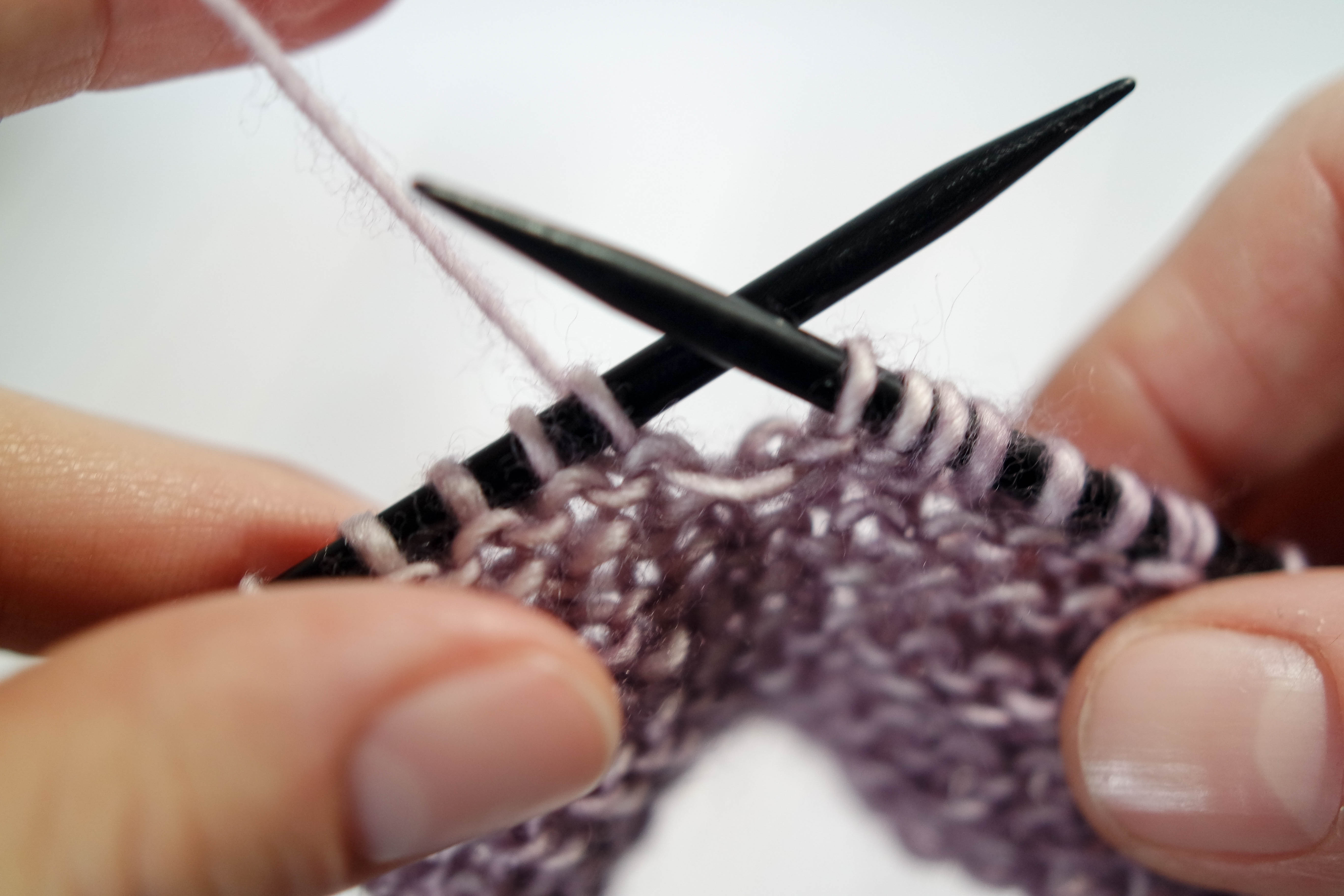
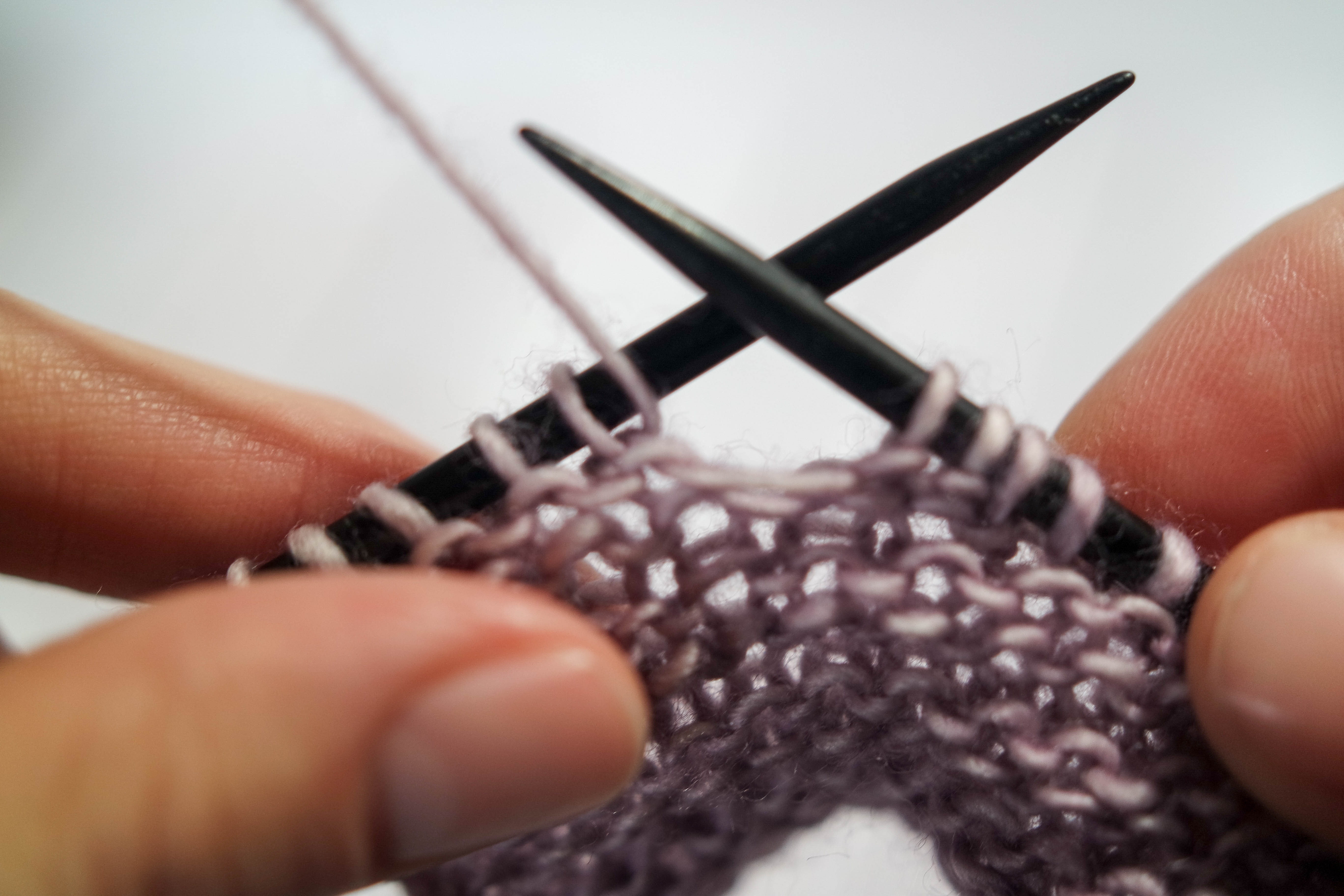
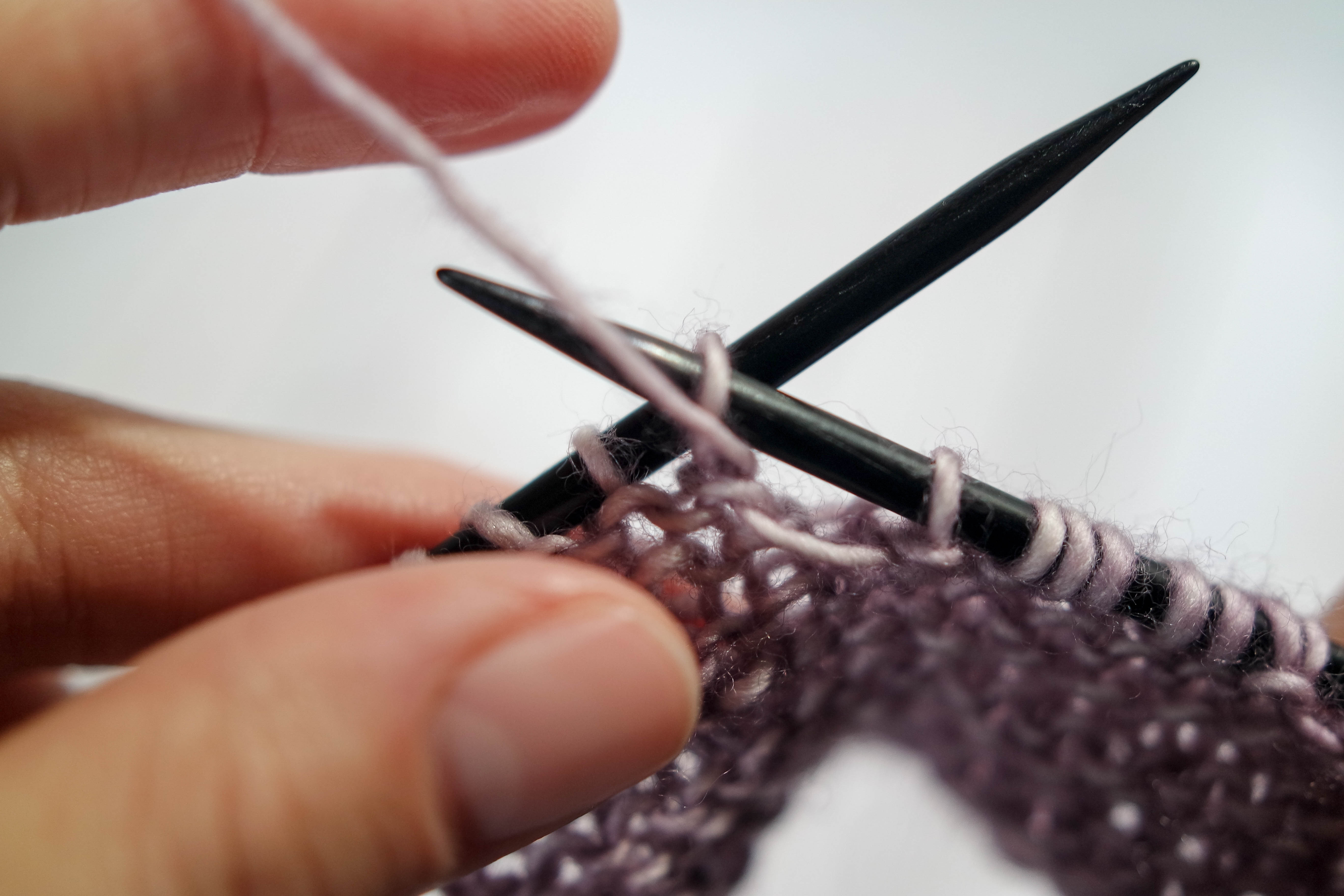
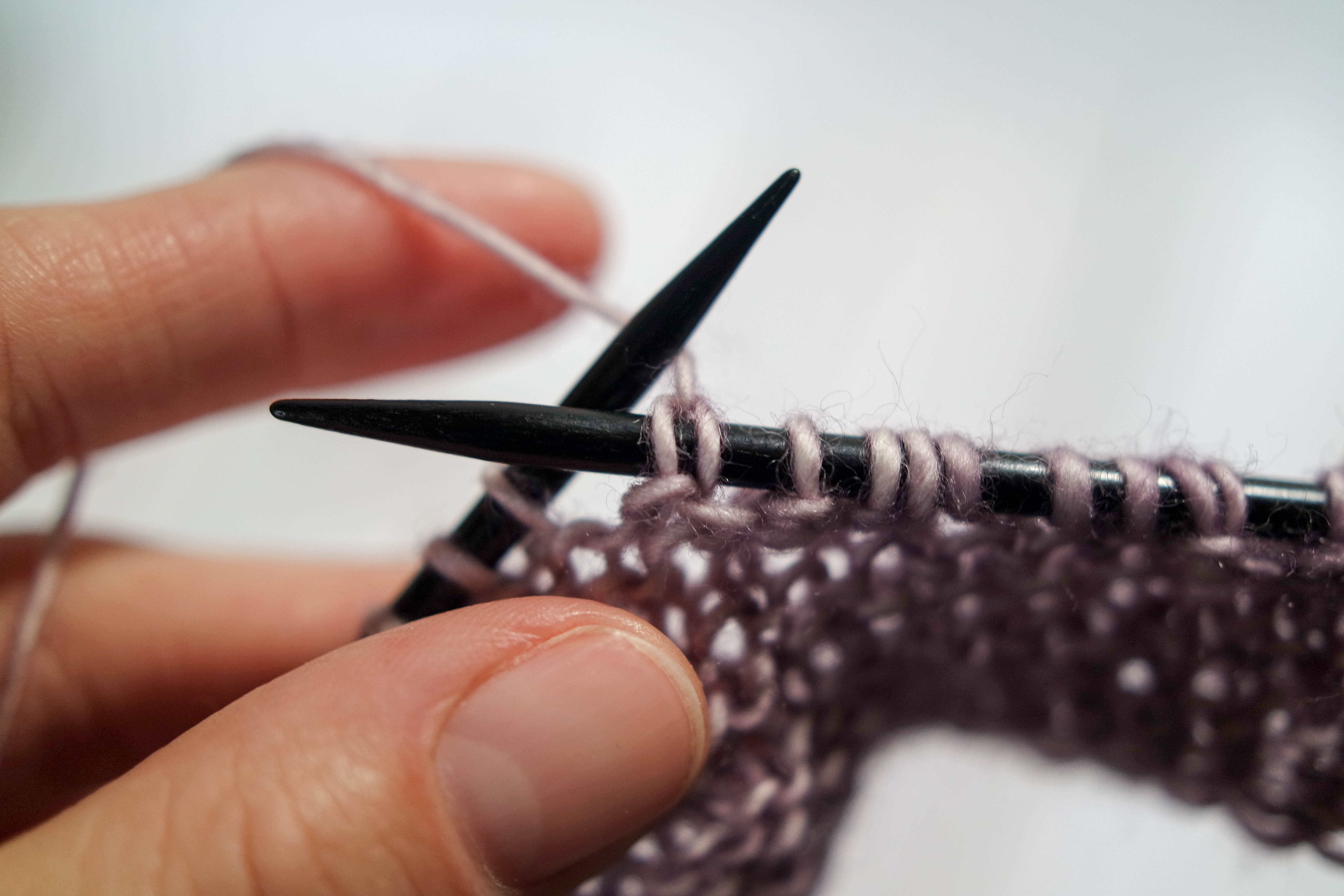
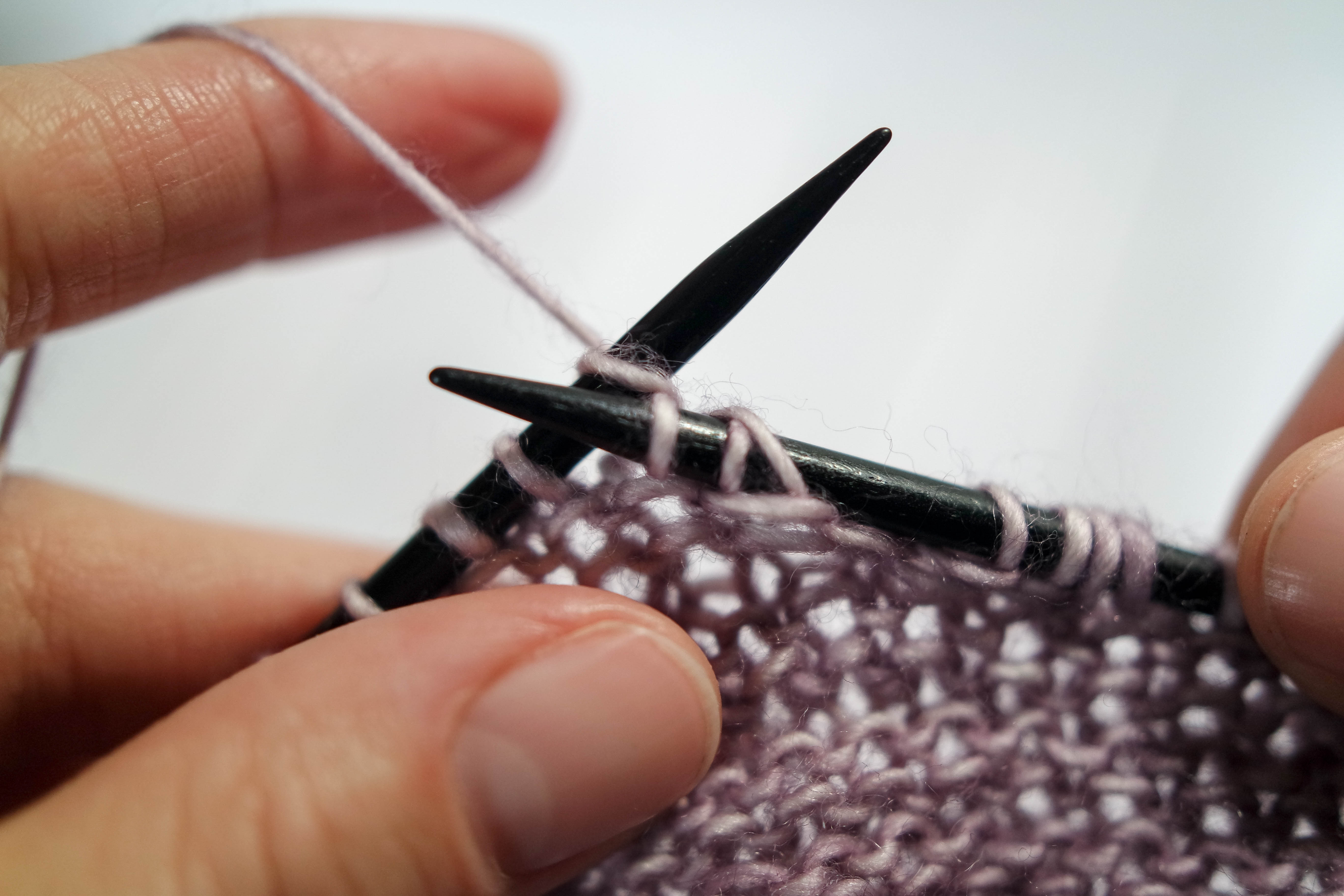
    German Short Rows use what is called a “double stitch” or ds to prevent forming a hole in the work where the short rows are turned. To make the double stitch, turn the work, slip the first stitch on the left needle to the right needle with the yarn in front, and pull the yarn up, over the needle and to the back of the work. Each step is shown in the photos below.

    Stop knitting before the end of the row. Your pattern will tell you how many stitches are worked in the short row.

    Turn.

    With the yarn in front, slip the first stitch on the left needle to the right needle.

    Pull the yarn up, over the needle, and to the back of the work to create the double stitch.


    The double stitch is always slipped with the yarn in front, so if the last stitch you worked was a knit stitch, the yarn will already be in front when you turn your work. However, if the last stitch was a purl stitch, you will have to bring the yarn to the front between the needles before you slip the double stitch. Here’s what that looks like:

    Purl.

    Turn your work.

    Bring the yarn to the front between the needles.

    Slip the first stitch on the left needle to the right needle.

    Pull the yarn up and to the back of the work.

    The double stitch looks like two stitches coming out of one; work into it only once.


    Learn to recognize the double stitches because most patterns will tell you to work to the double stitch or a few stitches before the double stitch before turning to work the next short row. On the return row work both strands of the double stitch together as one stitch.


    Thank you for knitting!


  • New Year Goals 2017

    New Year Goals 2017

    A few weeks ago I wrote a year end review, and I’ve been thinking about my goals for the coming year and how to achieve them. I didn’t reach all the goals I set last year, and while that’s disappointing, I don’t think it’s a total failure. I don’t think my goals were unrealistic, but there were some life circumstances that got in the way. I still made progress, and going into my third year as an independent designer and tech editor I feel like I know what I’m doing most of the time, or at least everything isn’t new to me anymore. I feel more focused. So here are my goals for the year. Feel free to leave a comment, or join the discussion in my Ravelry group and tell us about your yarn-y goals for this year!

    The Storm Clouds shawl is my latest finished object for Friday’s theme; #FOFriday

    Be More Consistent

    I got this one from Tara Swiger. “Be more consistent” is really too general to be an attainable goal, but I’ve tried to incorporate the idea of consistency into all my goals for this year, starting with this blog. I’ve set a schedule for myself so you will be sure to find something new and interesting here every week on Friday at noon. If you subscribe to my blog (use the button at the bottom of the page) you’ll see a new post in your email inbox every Friday. I’m also trying to be more consistent with my Instagram posts, but I haven’t gotten more specific than “post 5 times a week.” I’m going to try following a theme for each day of the week and see how that goes.

    Knitting and a movie

    Knit more

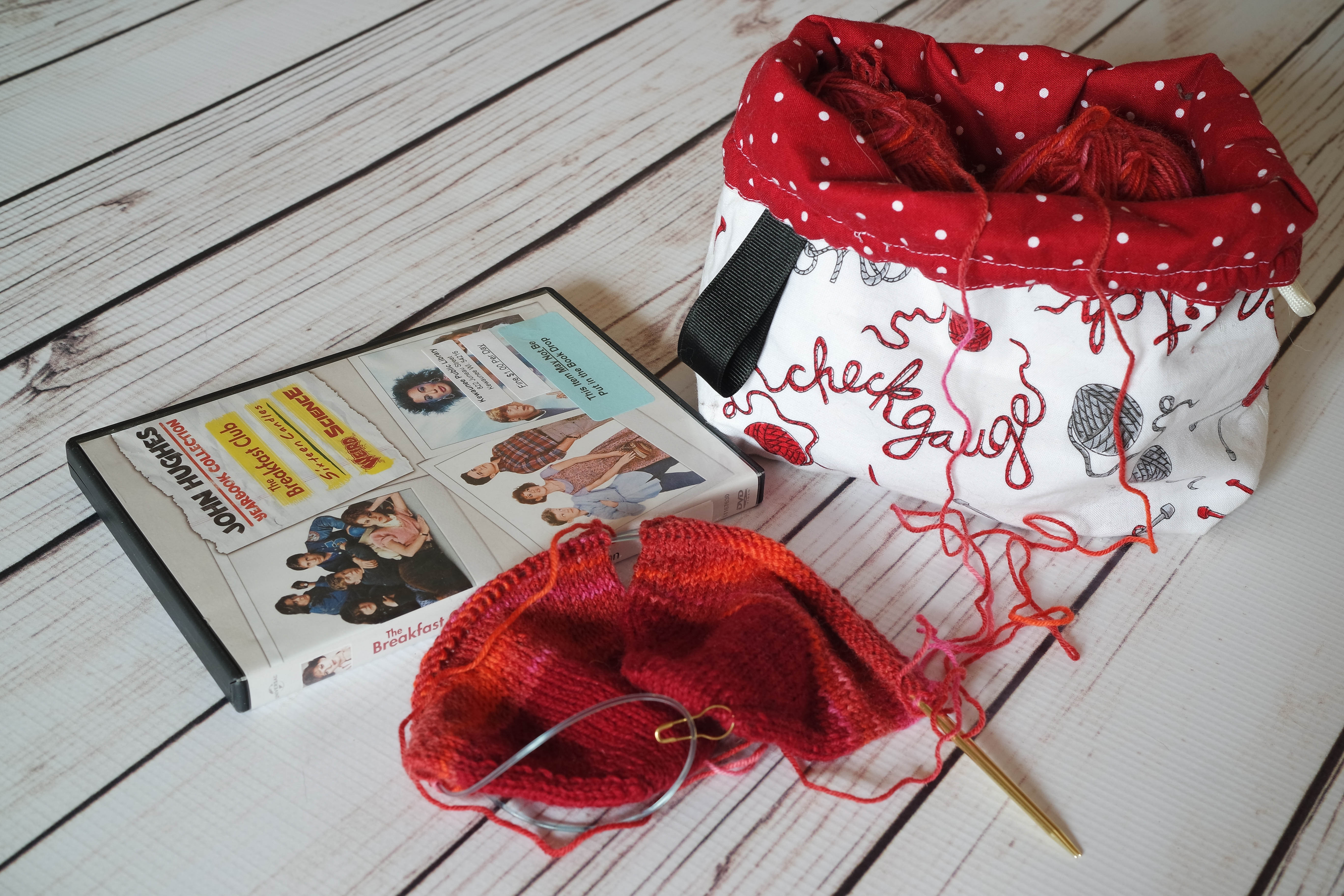
    My specific goal is 100 yards a day, which could be anywhere between 1 and 4 hours of knitting. I like to watch a movie and knit at night, so that works out just about perfectly. I tried keeping track of how many yards I knitted on Knitmeter, and I’ve been trying to keep my wips up to date on Ravelry, but I’m not actually measuring 100 yards to make sure I reach my goal everyday. Maybe I should change this to a more measurable goal, like two hours of knitting every day.

    2017 publishing schedule

    Publish More Patterns

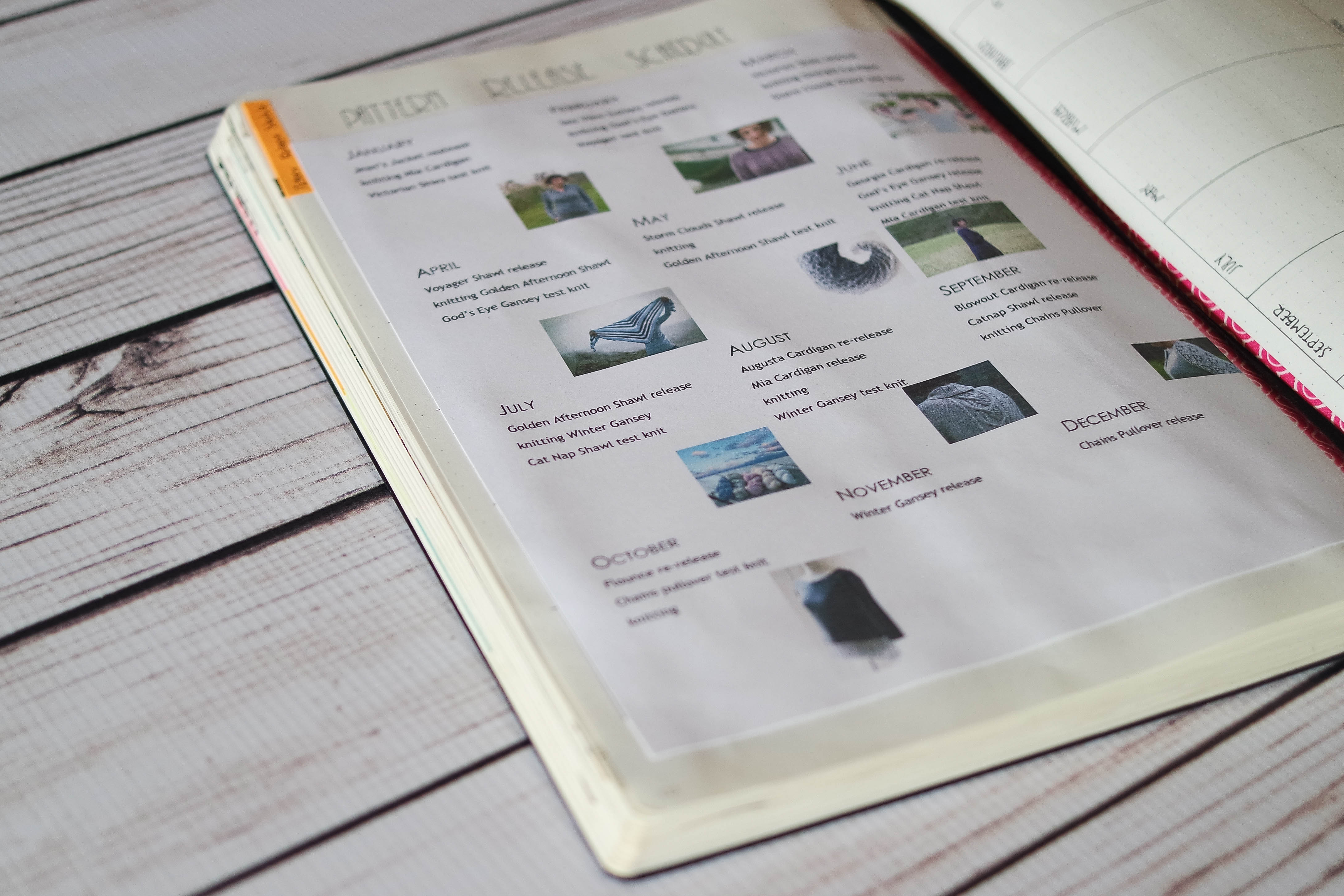
    I fell short of the mark last year and only had eleven new patterns published instead of my goal of sixteen. This year I’m planning on twelve independently published patterns, that includes re-releasing previously published patterns as the rights return to me. It’s actually more than last year because I’ll be doing all the photography, layout, and promotion myself. I have a few patterns scheduled to be published in magazines, but I’m not counting those towards my goal. I think one pattern a month is just perfect, but if I can squeeze in a few more I will!

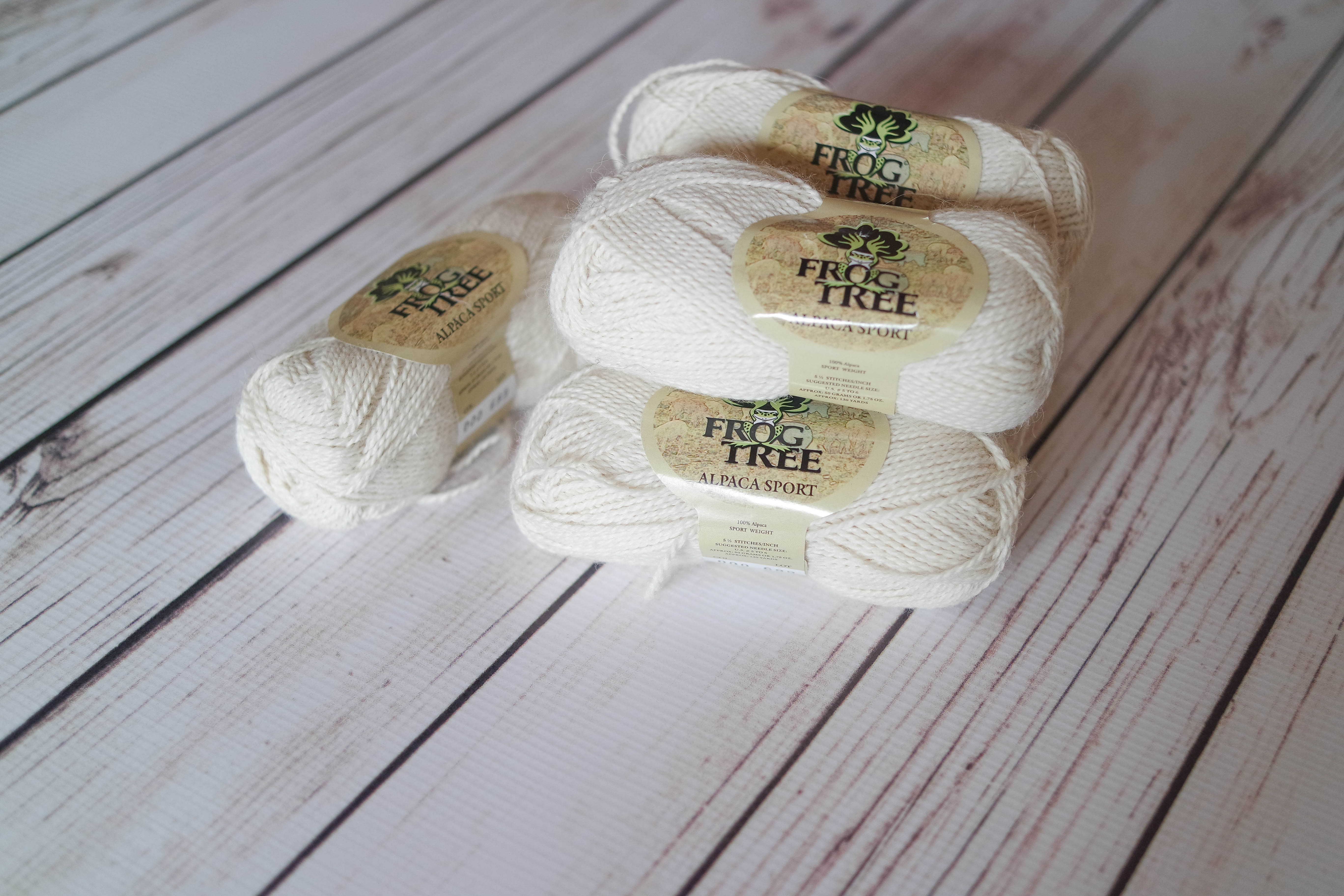
    Gorgeous white alpaca yarn from the now-closed Frog Tree yarn company

    Stash Down

    I have a massive stash. It’s great to be able to “shop my stash” whenever an idea strikes my fancy, or I need a quick gift, or a specific type of yarn to try out an idea on a swatch. These are all good reasons to have a yarn stash, but my stash has gone beyond reason. Some of it just has to go. I haven’t quite decided how I am going to reduce the stash this year, but just knitting it won’t be enough. I may have to put some of it up for sale on Ravelry, or give it away in my Ravelry group. (All the more reason to join the group if you haven’t already!) Recently I have been taking more photos of my stash and adding them to my Ravelry notebook, so at least I know what I have, but this has only convinced me that I have too much!

    These are my big knitting goals for the year. What are yours?


    Thank you for knitting!

  • Off The Needles

    Off The Needles

    Today I’m looking at projects I’ve recently finished, starting with my Storm Clouds shawl.

    I bound off all 493 stitches last night using a Picot Bind-Off, and I love it! It is a little smaller than I expected, but the size will be perfect after it’s blocked. My biggest difficulty now is getting good pattern photos. It has been absolutely freezing here (below freezing actually) and I like to take my pictures outside. Last week the temperature was just above freezing, and I managed to get pictures of my new Keeley Sweater.

    The pattern was originally published in the Winter 2016 issue of Knits magazine, but I plan to re-release it in my Ravelry pattern store soon. If you want me to email you when that happens, sign up for my mailing list.

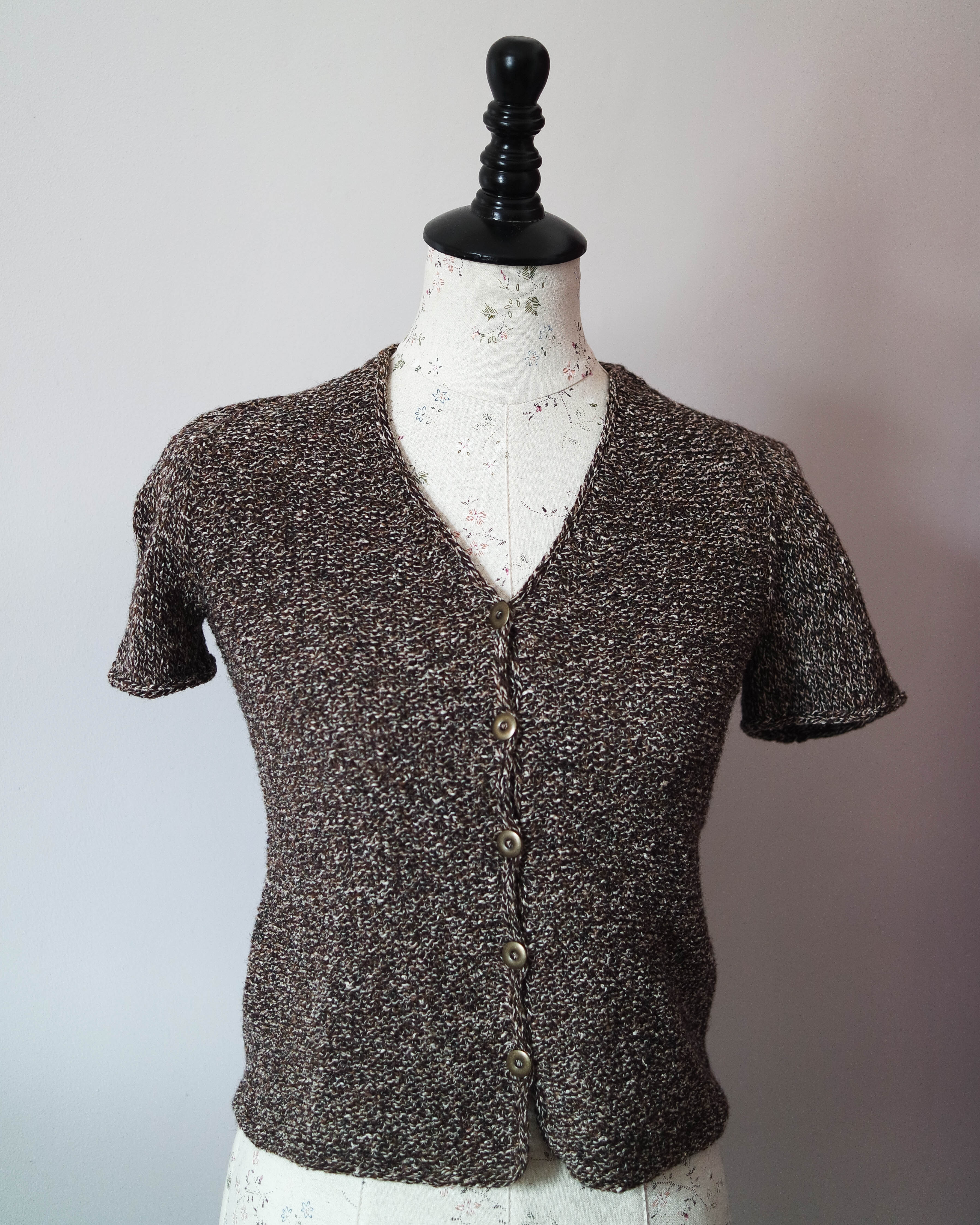
    Sometimes it takes me a really long time to finish a project. The photo above was taken in October 2015! All I really needed to do was finish the sleeves and sew on buttons, but this little sweater went untouched for over a year. In the end I ripped out most of the sleeves and made it a short-sleeved cardigan to get it over with.

    The cardigan is a little small, and I knew it wasn’t quite right, so I had a hard time finishing it when I knew it wouldn’t fit over a long-sleeved shirt like a cardigan should. With short sleeves it becomes a summer cardigan and it works over a light summer dress or tank top. Problem solved! I did start writing a pattern, but it will take a bit more work and another sample to finish it.

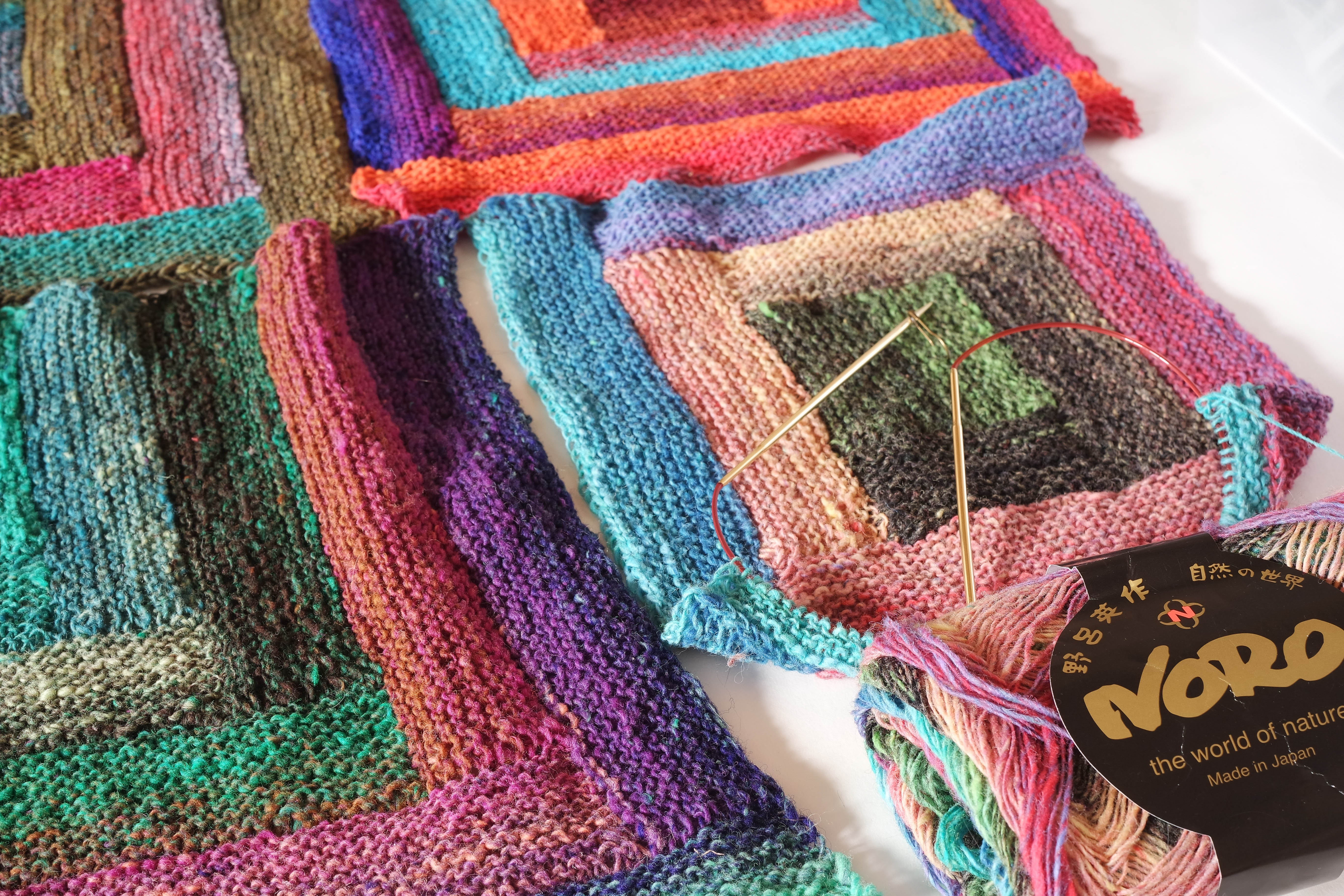
    The last thing I want to show you is my magic sock blanket. I decided to embark on an epic year long project and turn my magic box of Noro Sock Yarn into a knitted blanket. Technically, it’s still on the needles, and will be for a long time, but I’ve already finished three squares! So far I’ve made two log cabin squares (one is still on the needles) and two variations on the log cabin square. I might do some mitered squares as well, or combine the two. There are lots of ways to knit a modular blanket, so I plan to change it up if I feel my excitement waning.

    You can see all my finished projects and keep up with what I’m knitting on my Ravelry project page.

    Thank you for knitting!

  • Jean’s Jacket And A Provisional Underarm Cast-On

    Jean’s Jacket And A Provisional Underarm Cast-On

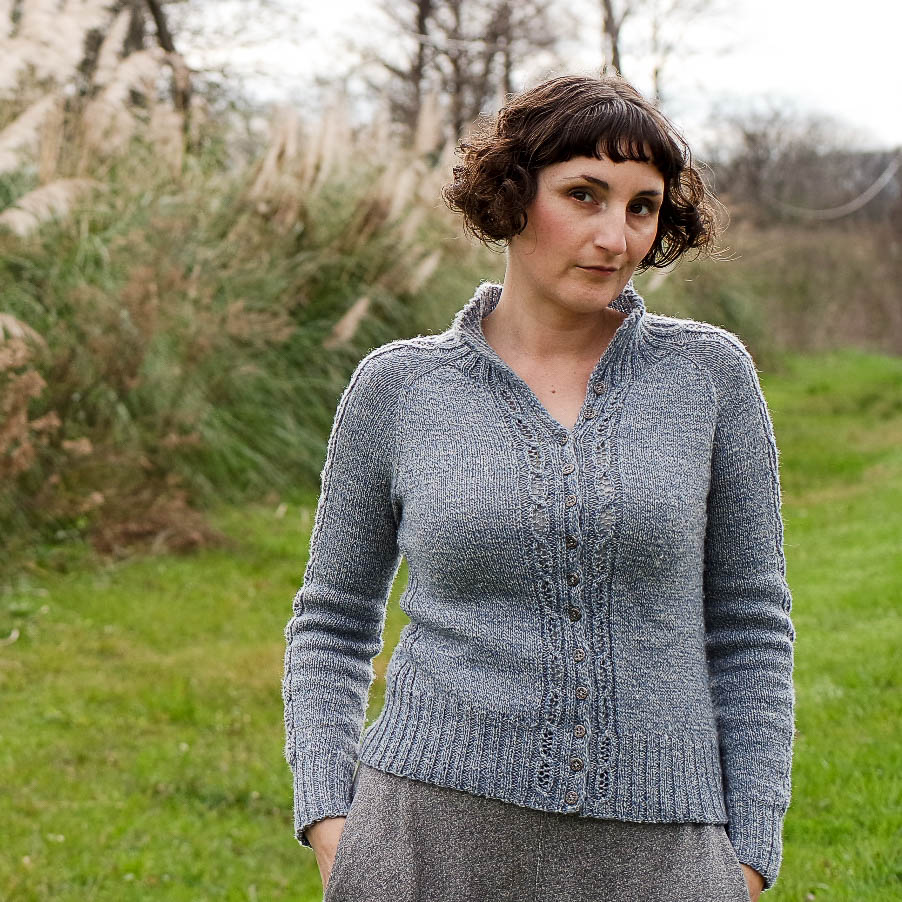
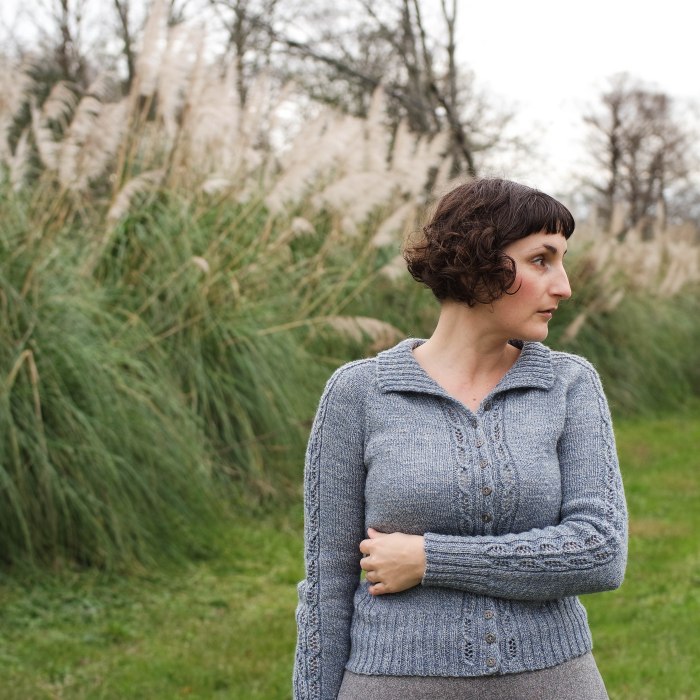
    I released a new pattern yesterday! Jean’s Jacket is a seamless, top-down cardigan with lace details. It starts at the ribbed collar which transitions into the lace and cable pattern on the sleeves and fronts. The shoulders are shaped using different rates of increase to create an S-curve rather than the typical diagonal raglan lines. The button band is worked along with the body of the sweater with buttonholes worked right into the pattern. You’ll find all the details, and a 25% discount through January 12, 2017 on the pattern page.

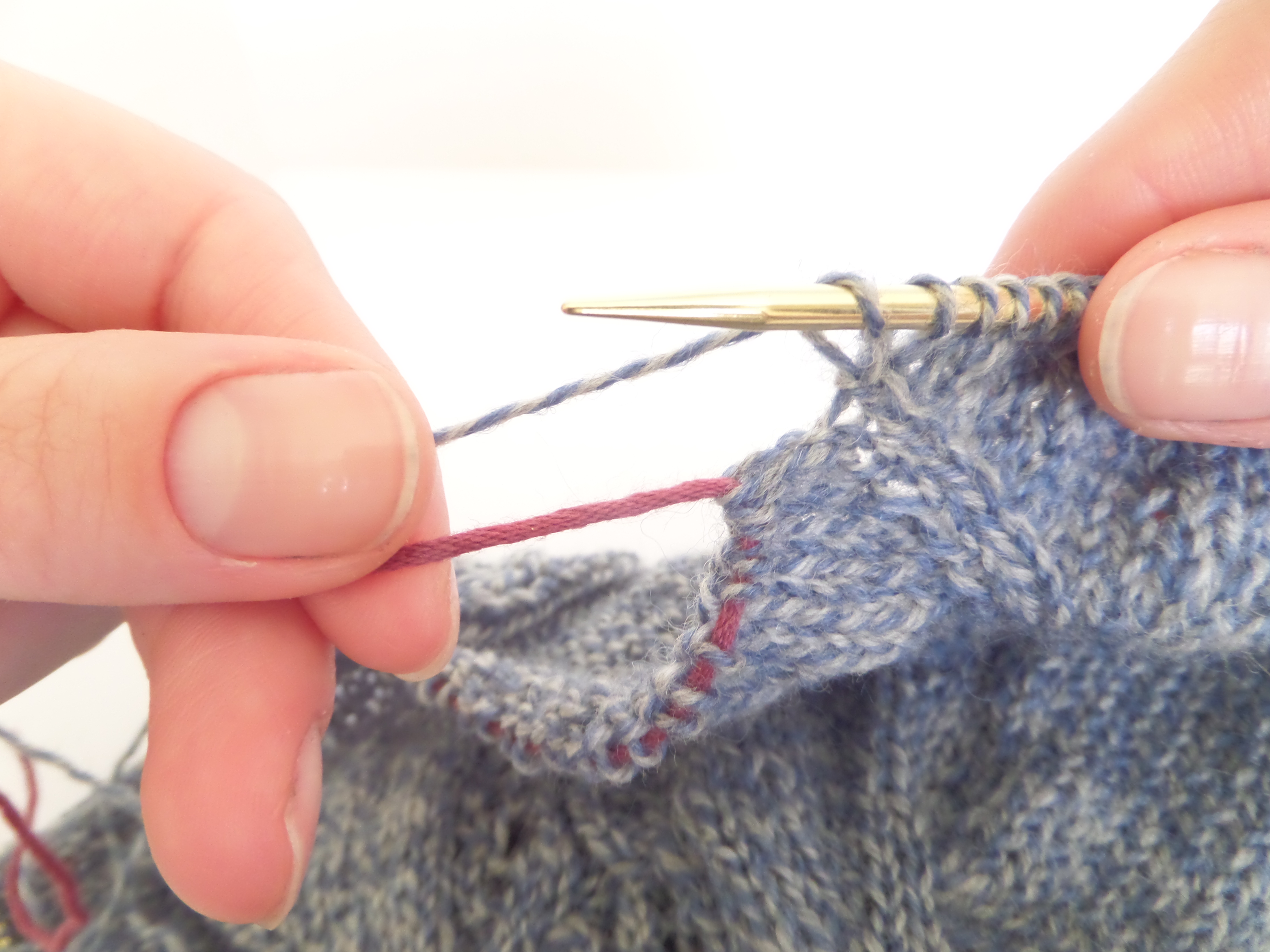
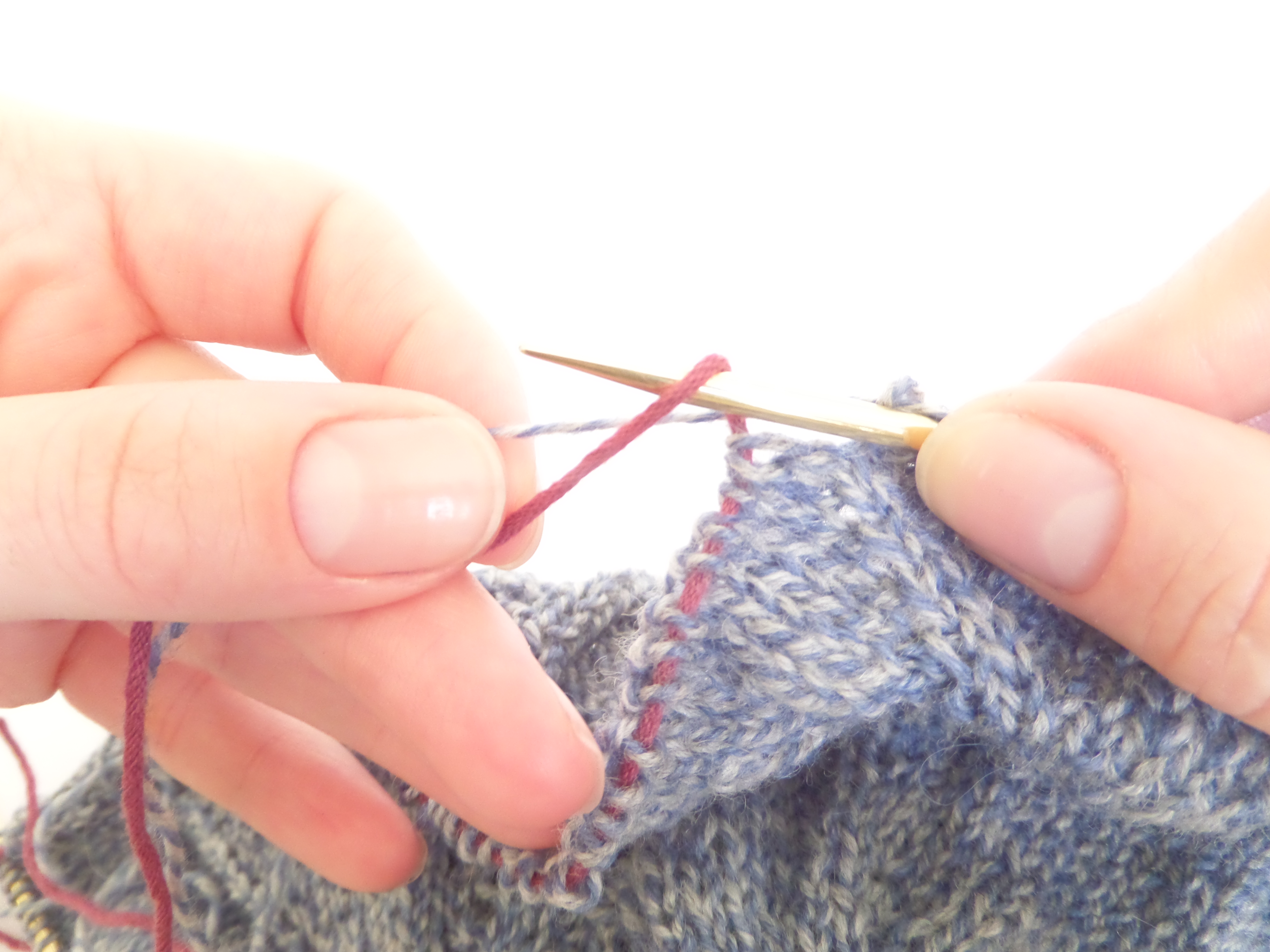
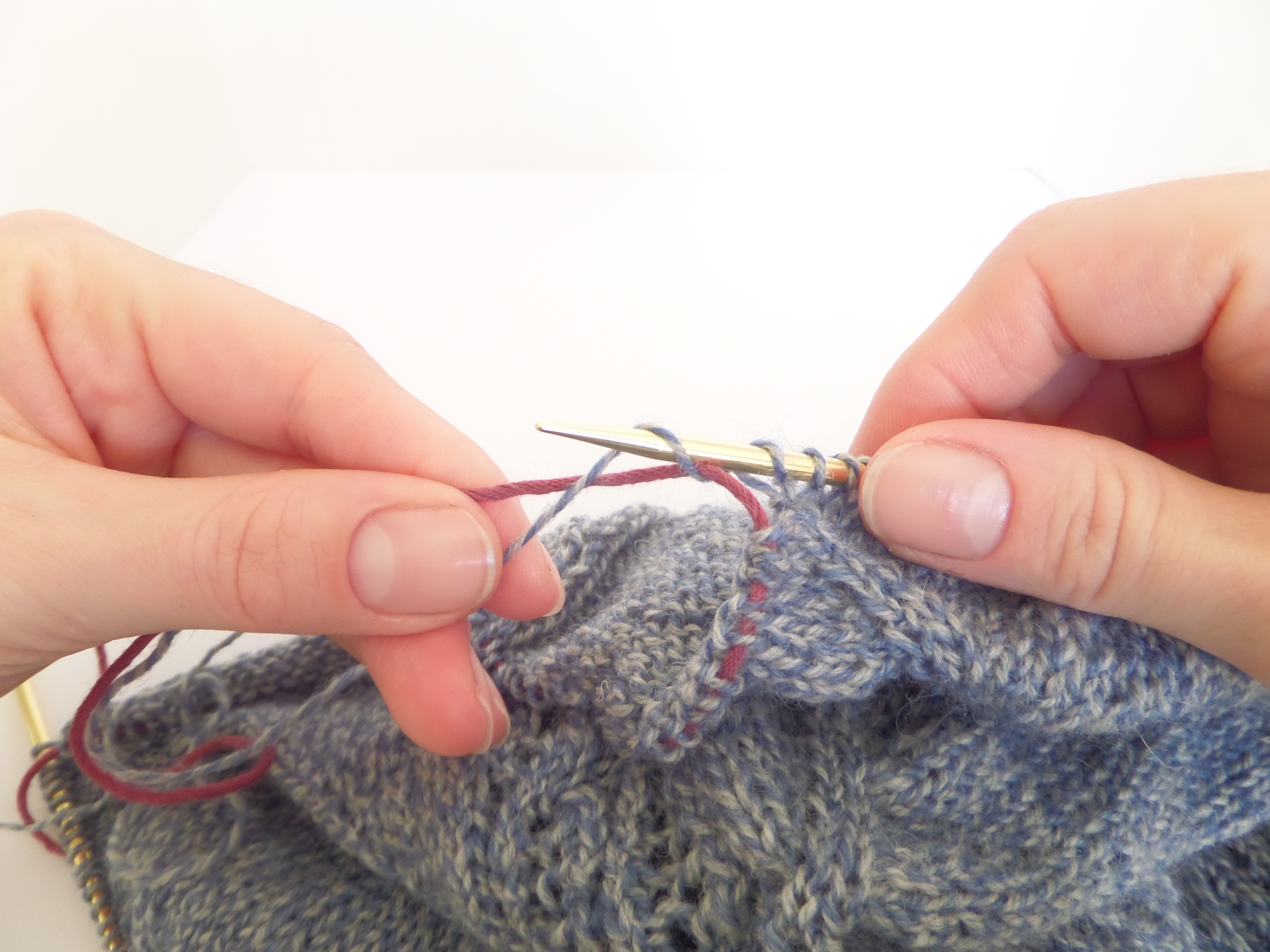
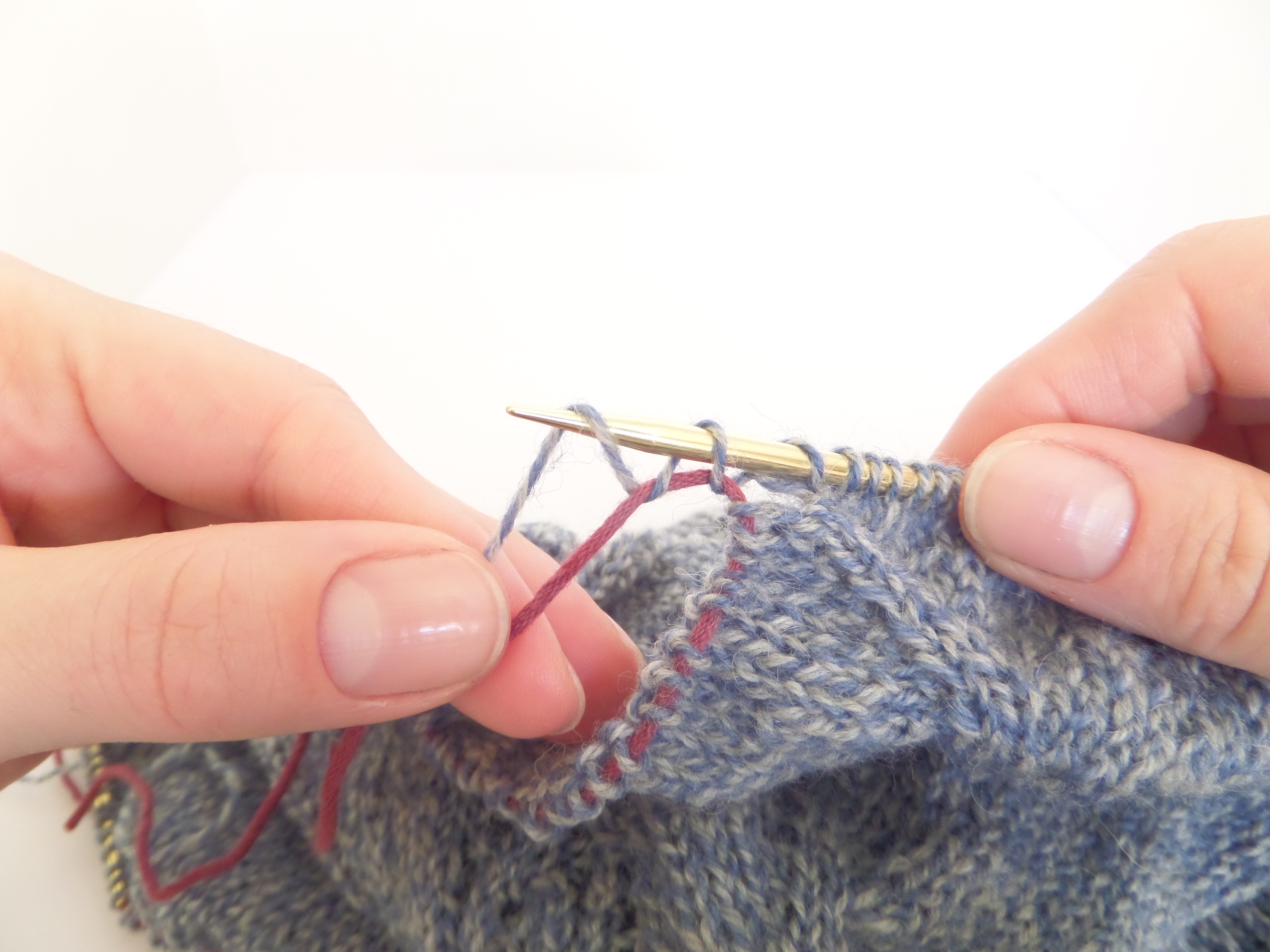
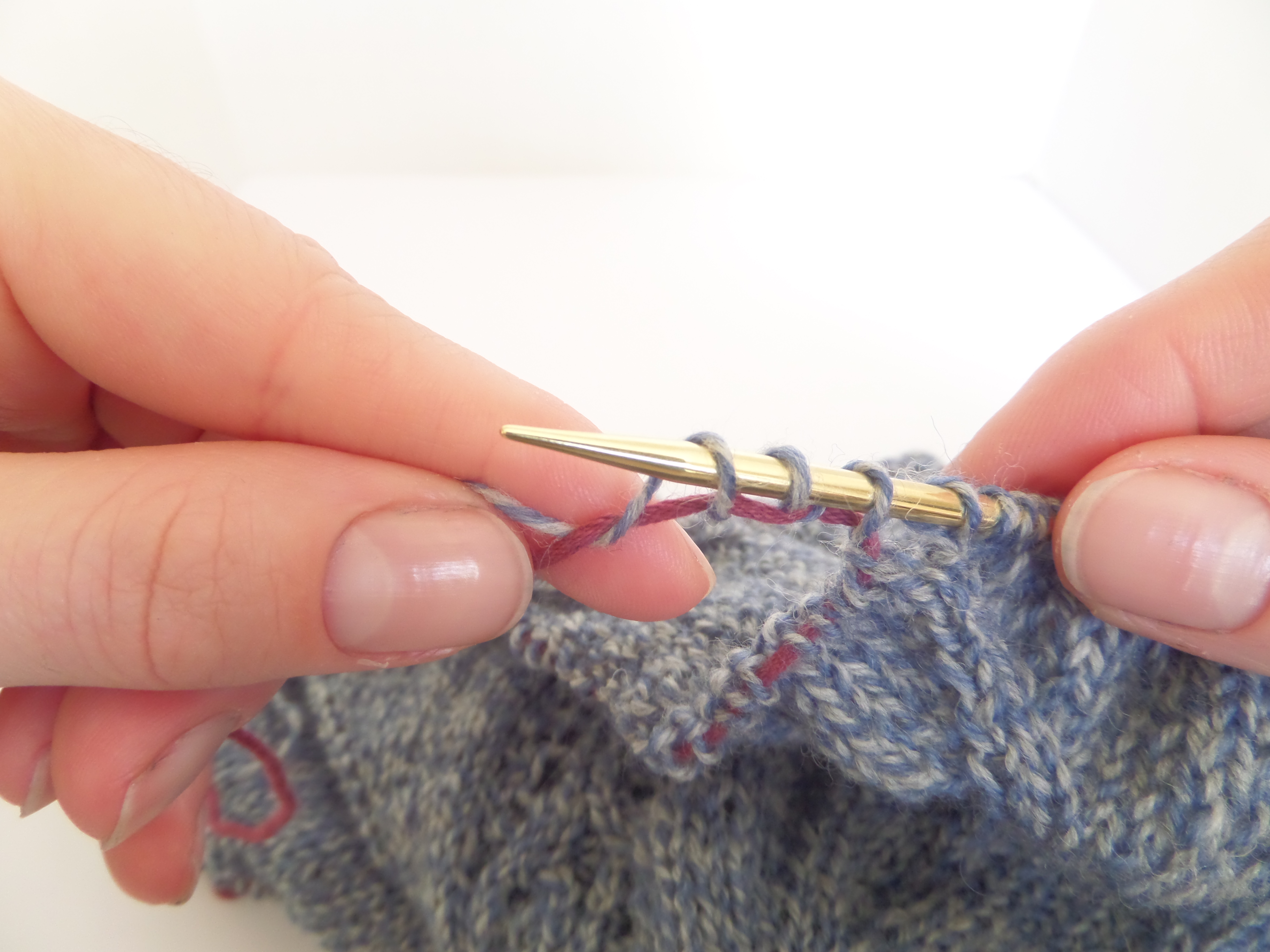
    When the shoulder shaping is finished the sleeve stitches are set aside, underarm stitches are cast on, and the body is worked down to the ribbed hem. I like to use a provisional cast-on for the underarms because it’s easy to pick up the stitches later and it keeps the underarm stitches from being too tight. First I slip the sleeve stitches onto waste yarn and then I use the waste yarn to provisionally cast on the underarm stitches. I took some photos so you can see exactly  how I do that.

    The sleeve stitches are held on waste yarn (in pink) and the working yarn is ready to cast on the underarm stitches.


    Bring the needle under the waste yarn and over the working yarn…

    then back under the waste yarn to create a loop on the needle. This is the first stitch.

    Now make a yarn over. This is the second stitch.

    Keep alternating the last two steps until all the underarm stitches are cast on, then continue working on the body stitches.

    When you’re ready to return the sleeve stitches to the needle just slip the provisionally cast on stitches onto the needle too. You will notice that every other underarm stitch is mounted with the right leg to the back of the needle. You will have to turn the stitches the right way around by working into the back loop on the first row.

    Thank you for knitting!
  • What’s Your Style?

    What’s Your Style?

    If you write patterns for other people to use, you ought to have a style sheet. Having a style sheet will help to ensure that your patterns are consistent and complete, and save time writing and editing. I wrote this post to answer your questions about what a style sheet is, why you should have one, and how to develop and use your own style sheet. If you are not a knit designer, you may find this post a bit boring, but that’s okay! Come back next time and I’ll have a new pattern to talk about.
    Decisions, Decisions

    Knit design is all about making decisions. If it’s a sweater, is it a cardigan or pullover? bottom-up? Or top-down? Raglan? Drop shoulder? Seamless set-in sleeve? These are all design decisions and will likely be different for every pattern. The way the pattern is written, however, should be consistent for all patterns from a single source. That’s where a style sheet becomes incredibly useful and time-saving. It is a set of decisions that you have already made, that will stay the same for every pattern you write.

    Abbreviations

    The easiest place to start is with a list of abbreviations. Your style sheet should include all the possible abbreviations that you could ever use in a knitting pattern. There aren’t any true standards for knitting abbreviations, but every brand has its own list. I’ve listed links to the abbreviations lists used by a few major publishers below, as well as my own.

    Knit Picks Glossary of Terms

    Interweave Knits and Knitscene Abbreviations PDF

    Craft Yarn Council Knitting Abbreviations

    Kephren Knitting Studio Abbreviations

    Phrasing

    The phrasing is not what you say, but how you say it. The five sentences that follow say exactly the same thing, but in different ways. Which one you choose will depend upon several different factors. How much space do you have? If you’re planning to publish in print you may want to save space by choosing option 1. Who is your audience? If you’re writing for beginners options 2 or 5 will probably be your best choice, whereas if your pattern is written to appeal to experienced knitters you might choose option 3. Option 4 is not one that I would recommend, but I included it because I see it used sometimes by independent designers. If I saw this in a pattern I was editing I would suggest replacing it with 1 or 2 because it’s not clear what the third asterisk refers to.

    1. Row 1: [K2, P2] to end.
    2. Row 1: *K2, p2; rep from * to end of row.
    3. R1 – Work in k2, p2 ribbing across.
    4. Row 1: *K2, p2,* rep from * to end.
    5. Row 1 (right side) *Knit two, purl two; repeat from * to end.

    The best way to figure out your phrasing is to write a simple pattern. It doesn’t have to be something you intend to publish, or even to knit, but thinking about phrasing in the context of a pattern will help you to determine what you need to say and how you want to say it. Reading other designers’ and publisher’s patterns will give you an idea of the many phrasing options available, and thinking about your audience will help you to decide which you want to use.

    Fonts and Formatting

    I think the single most important thing when choosing a font for knitting patterns is the difference between the number 1 and the letter l. Of course, you also want a font that is easy to read, and remains readable in both bold and italic. When to use bold and italic is another decision you’ll have to make for your style sheet. You’ll also have to decide how to arrange all the elements of your pattern. Does your abbreviations list appear at the beginning of the pattern? Or the end? Do your directions cover the whole page? Or are your pages divided into two or three columns? Where do Page numbers go? Photos? Charts?

    Using Your Style Sheet

    Now that you’ve made all of these important decisions you can save a lot of time by setting up a pattern template. Include your complete abbreviations list, cast-on, bind-off, and finishing directions, and examples of gauge requirements and materials lists. This way, the next time you write a pattern you only have to fill in the missing information and delete the abbreviations that aren’t used in that particular pattern.

    You’ll also want to send your style sheet to your tech editor along with the pattern you are having edited, but even before you do that, check your pattern against your style sheet yourself. Make sure that it includes all the necessary information and that it adheres to your style sheet. This final check is also a good opportunity to spot mistakes and typos.

    You can see what my style sheet looks like here. I developed my style sheet using the template provided in Edie Eckman’s Craftsy Class; Pattern Writing For Knitters, and Kate Atherley’s book; The Beginner’s Guide To Writing Knitting Patterns. It has changed a bit since I wrote my first pattern, and I continue to update it when I use a new technique or abbreviation. Your own style sheet will evolve as you continue to write patterns too, so don’t worry if you haven’t got it all figured out right away!

    If you want help creating your style sheet you can contact me through my tech editing page.

    Thank you for knitting!