Category: Blog

  • The Chain Space Bind-Off

    The Chain Space Bind-Off

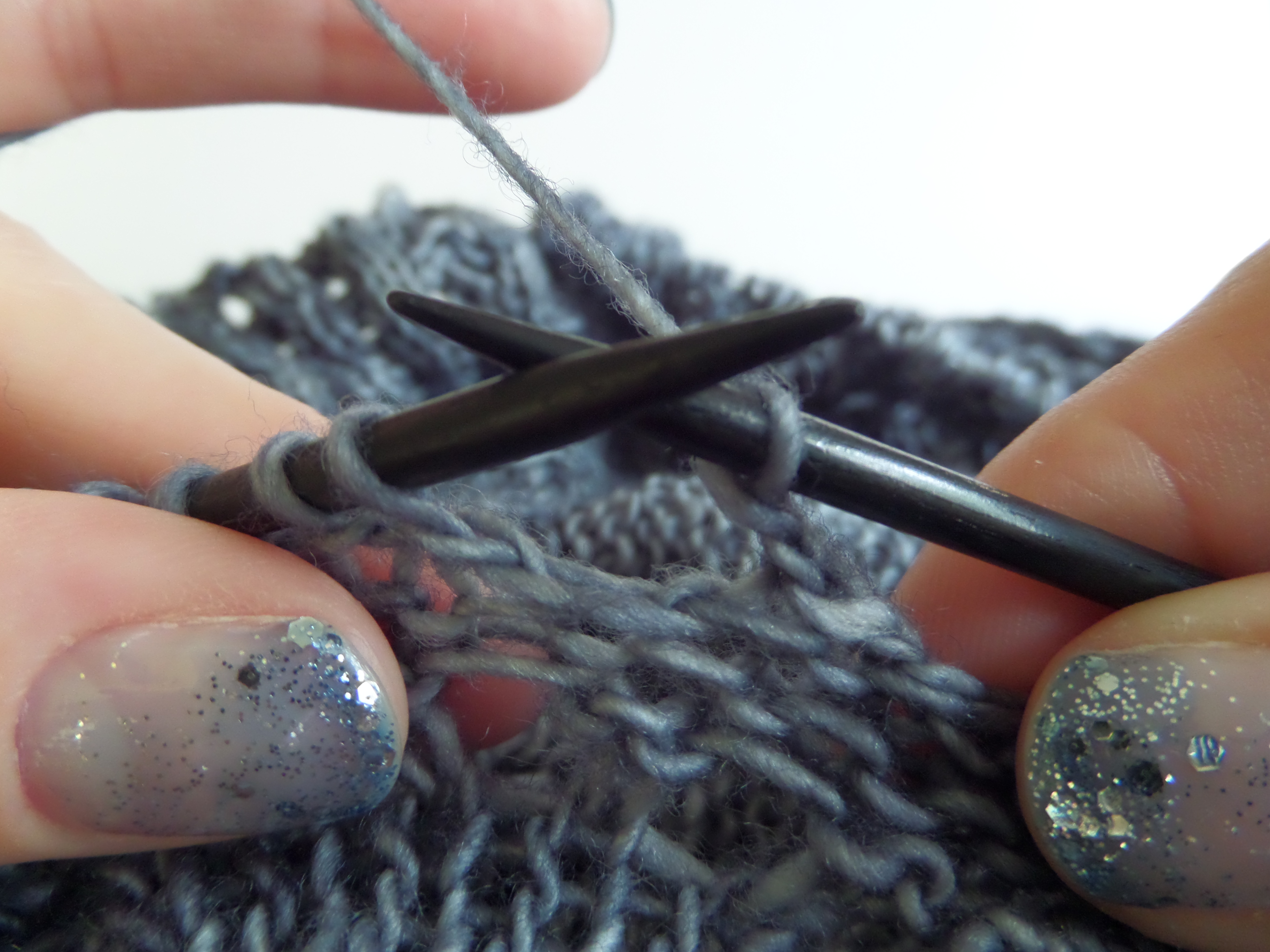
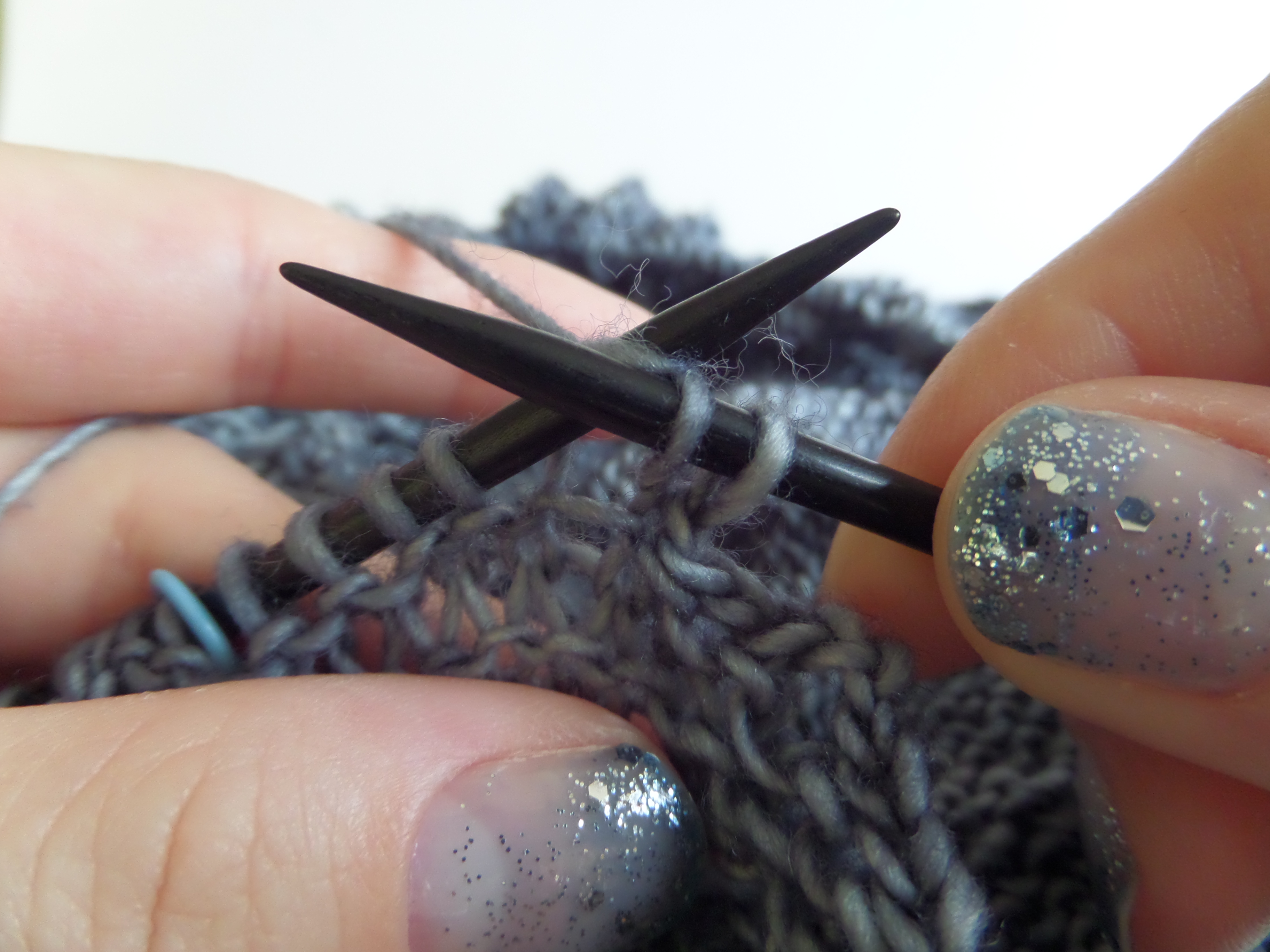
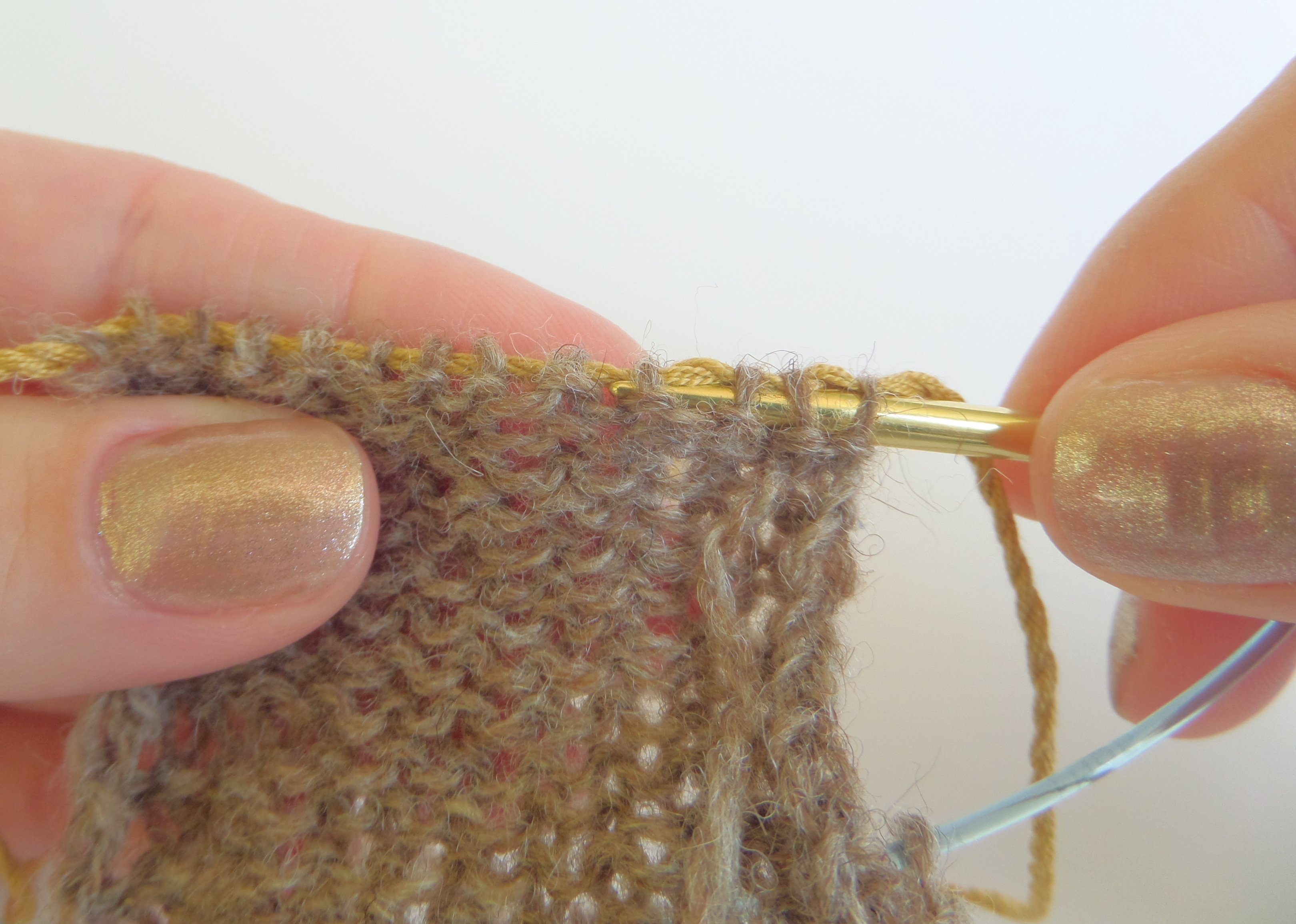
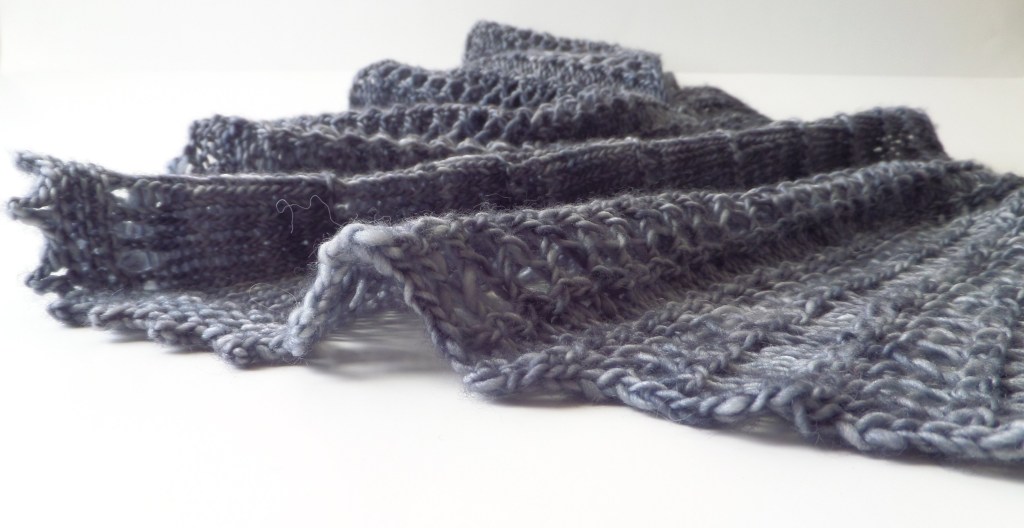
    The chain space bind-off  creates an edge that is neat and flexible. It can also be used to create picots much more easily than the usual method of casting on extra stitches and then binding them off. The chain space is created by working 1 or more crochet chains between each pair of stitches. To work this bind-off you can use a crochet hook the same size as your knitting needle, or you can use a knitting needle as shown below. There is no need to use a larger needle or to try to bind off loosely, just work at your normal tension.
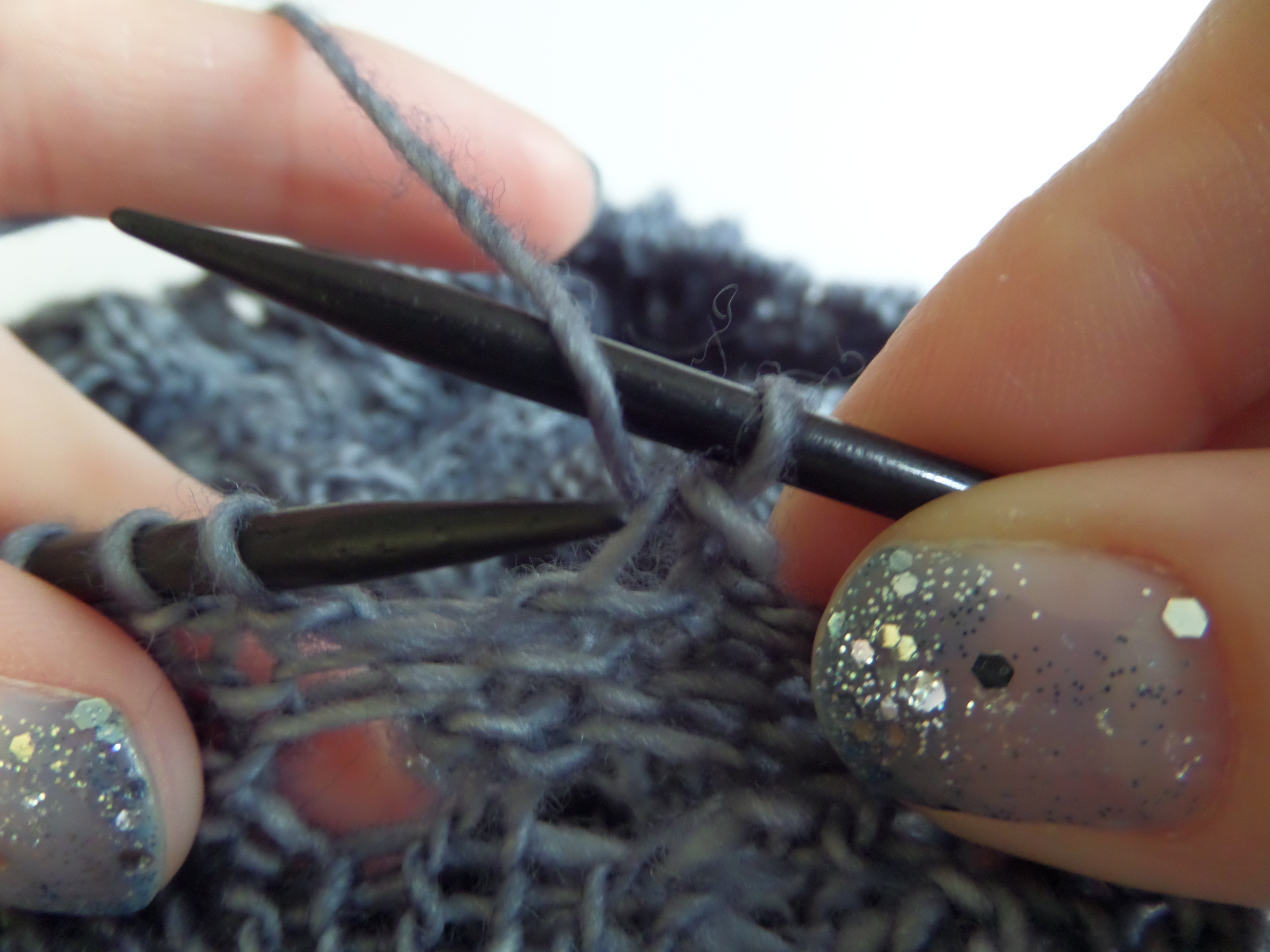
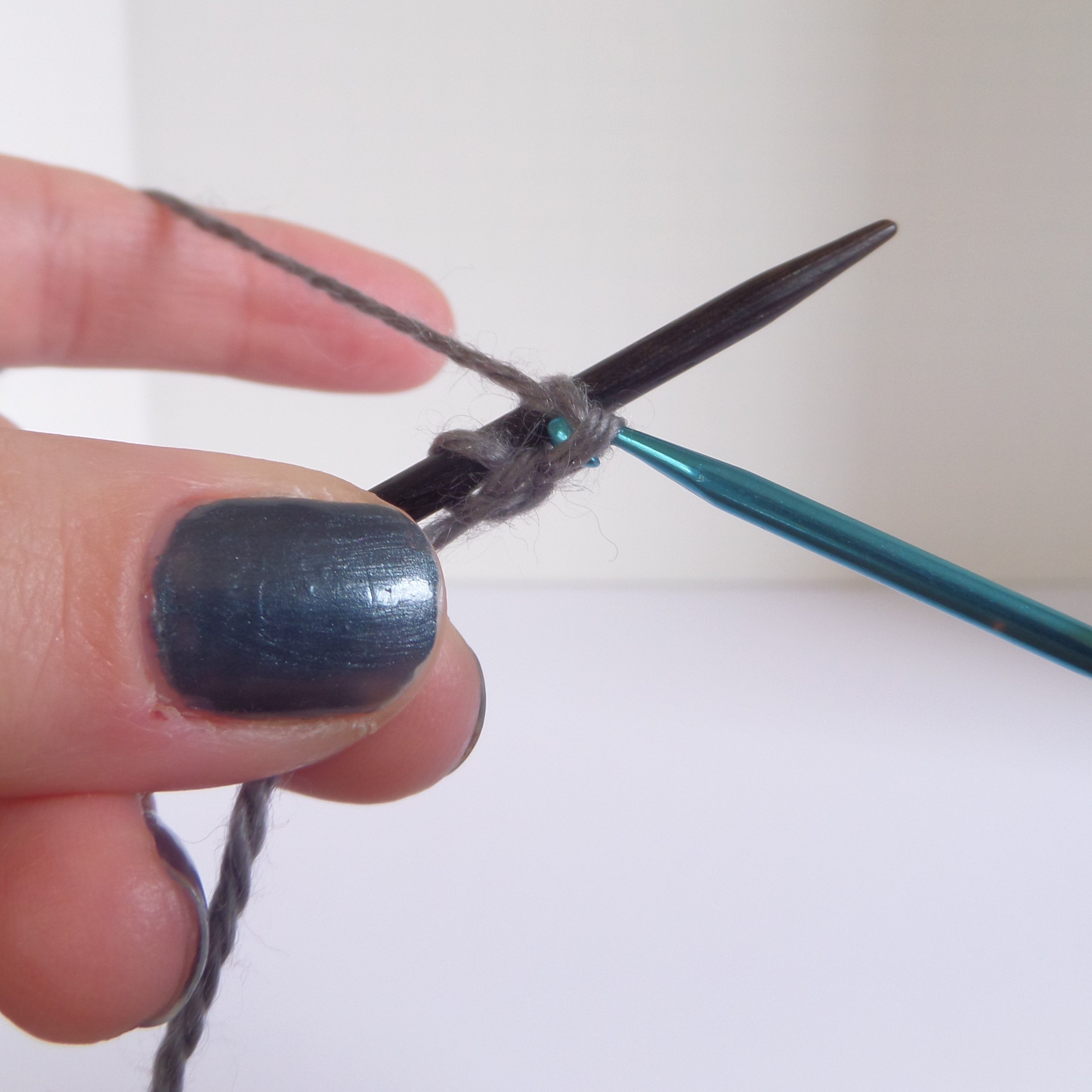
    Yarn over
    Yarn over

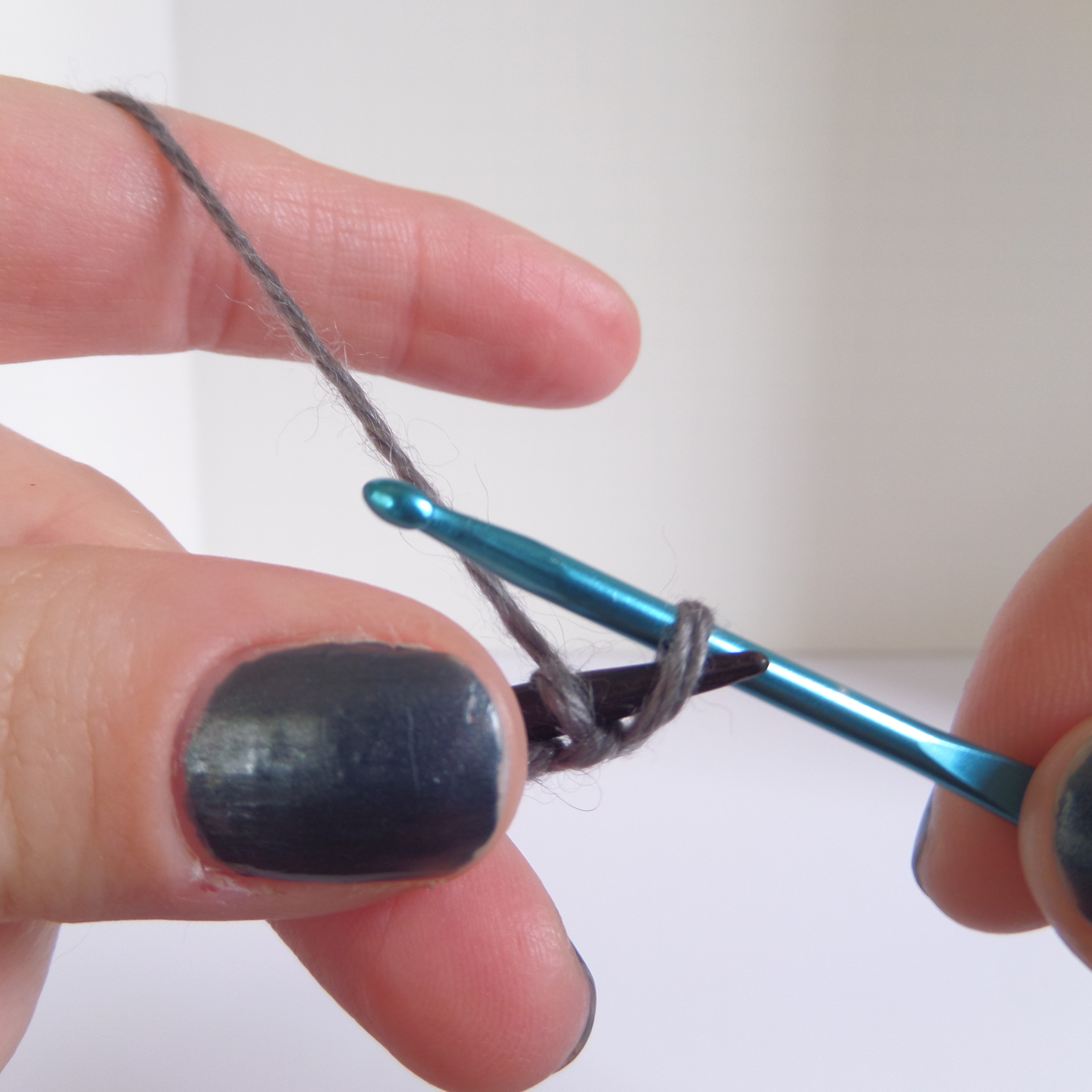
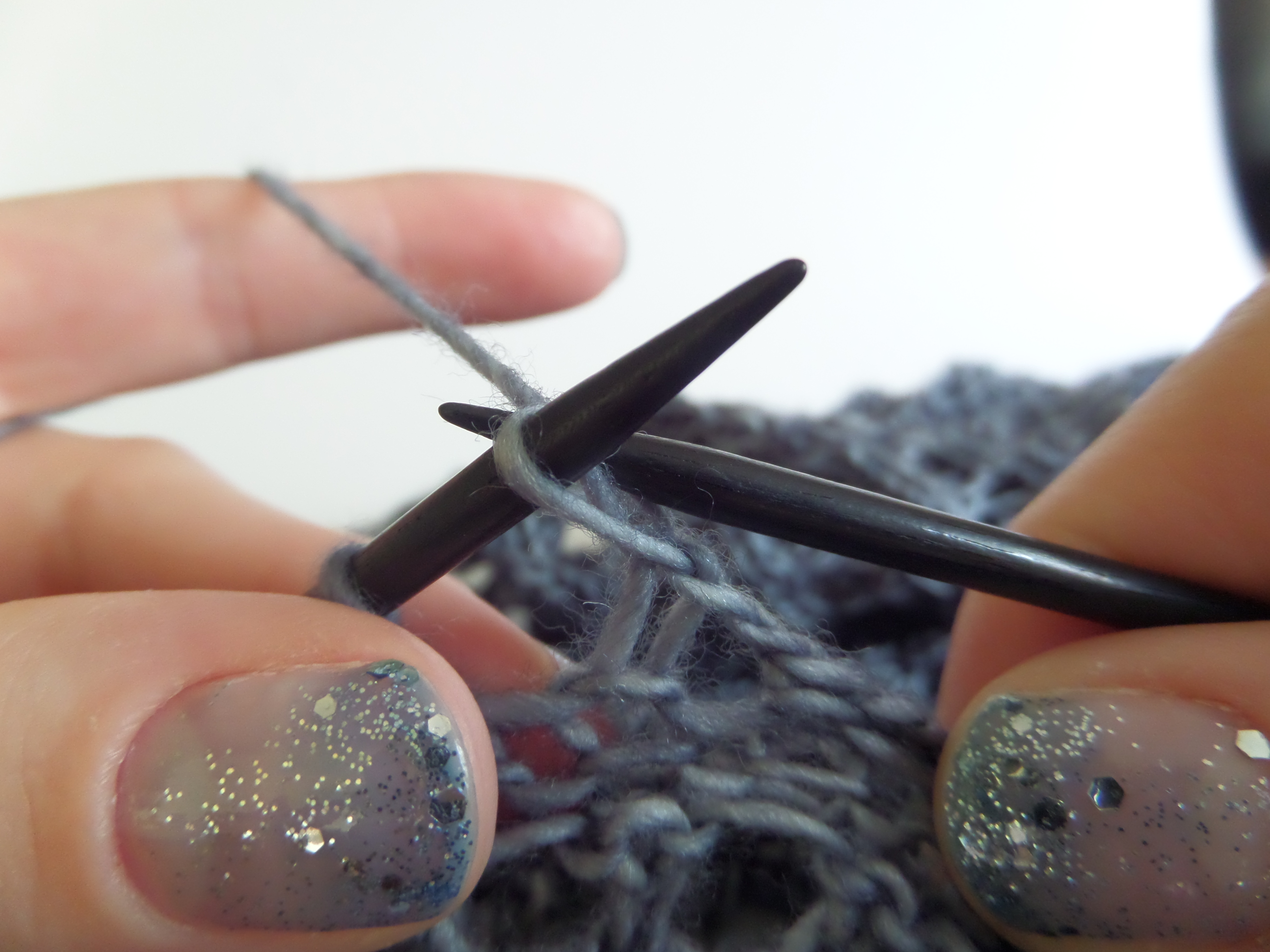
    Lift the stitch on the right needle over the yarn over

    Lift the stitch on the right needle over the yarn over,
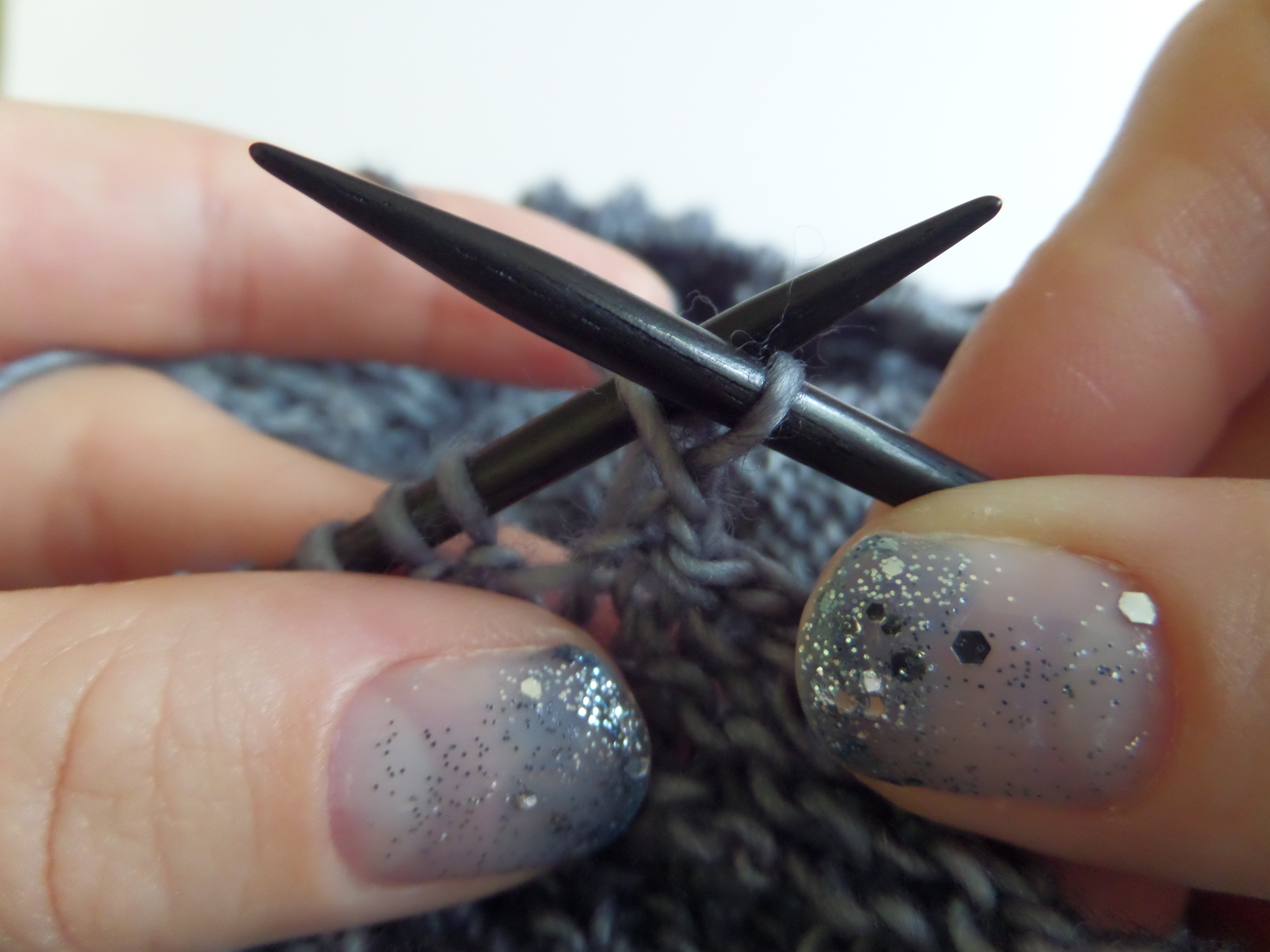
    and off the needle

    and off the needle.

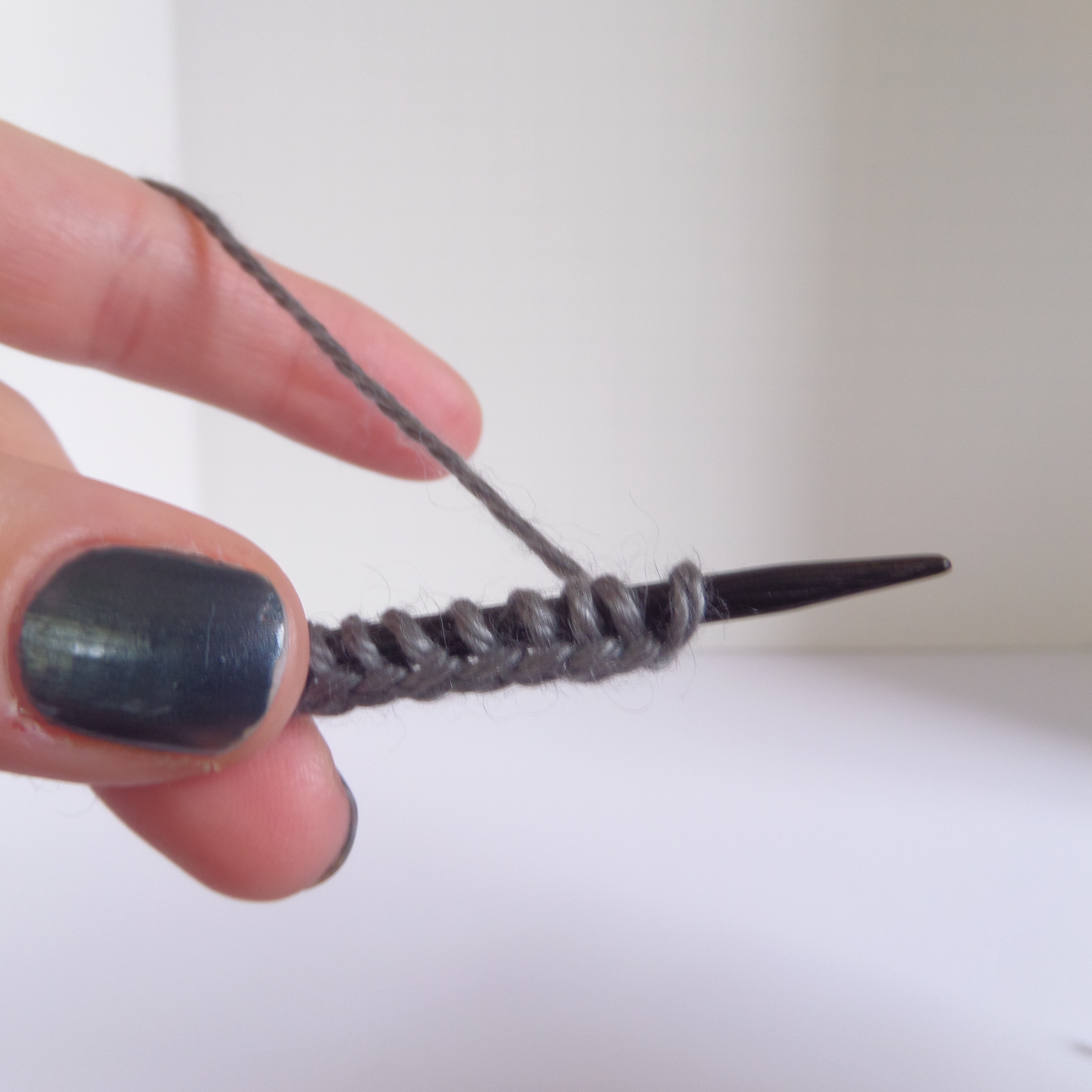
    One chain stitch after the stitch on the right needle.

    One chain made.

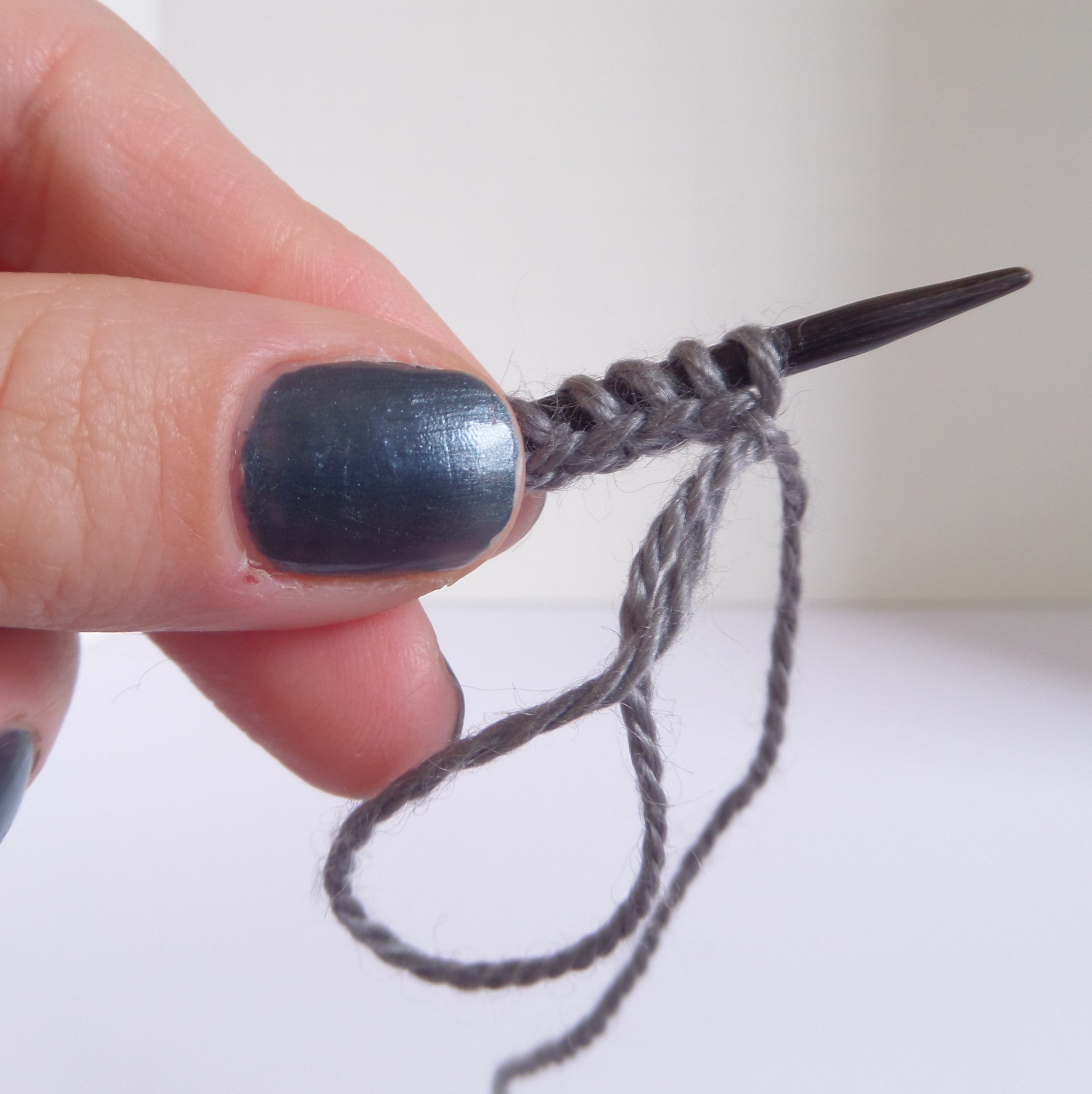
    Knit (or purl) the next stitch and bind it off in the usual manner.
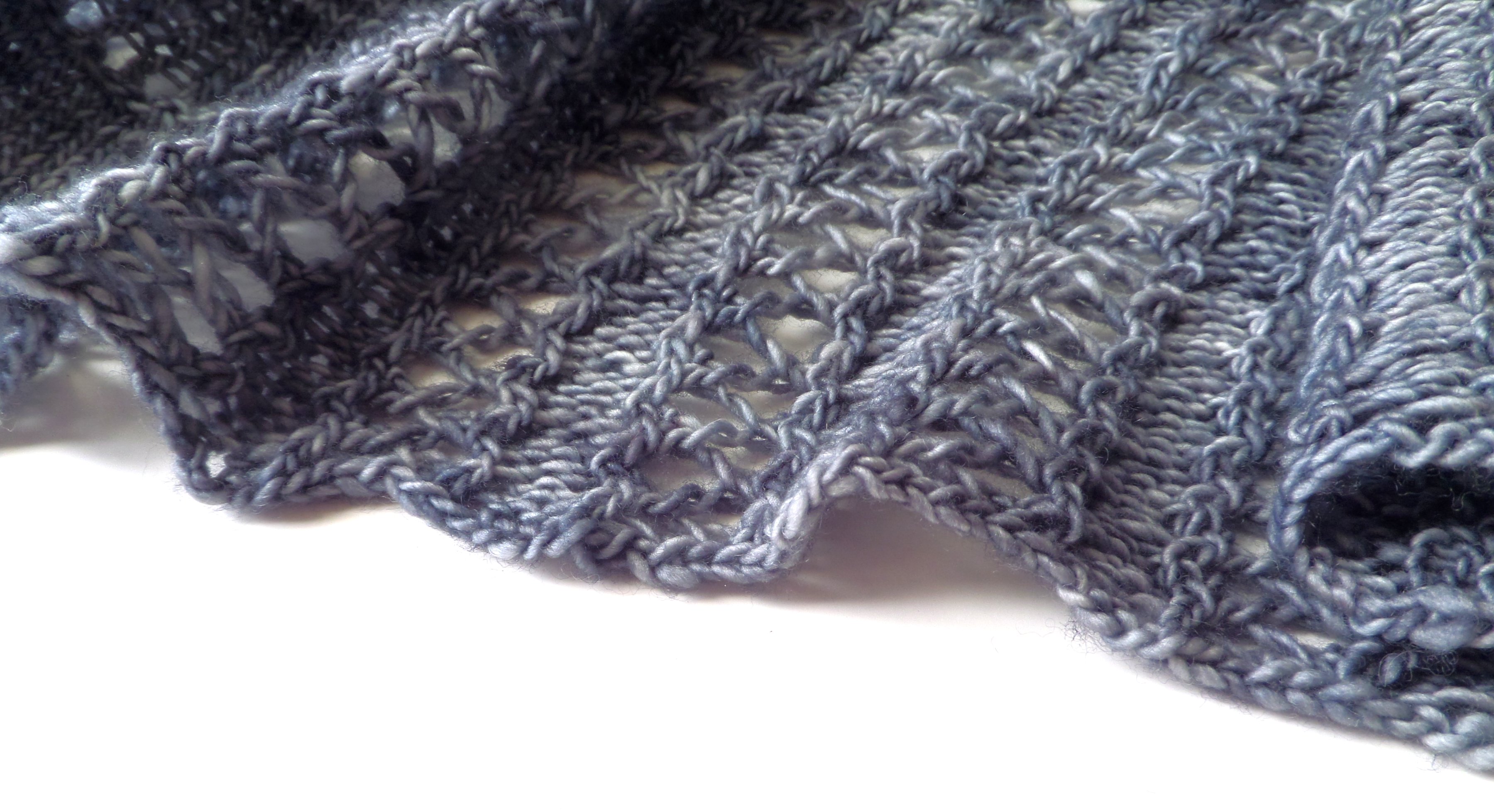
    The finished bind-off looks like a standard bind-off, but the chain spaces give the edge more of the flexibility which is essential for a shawl. To make picots, work 3 chains in one space every 3 stitches. I hope you’ll try it out and tell me what you think. Thank you for knitting!
  • The Invisible Provisional Cast-On

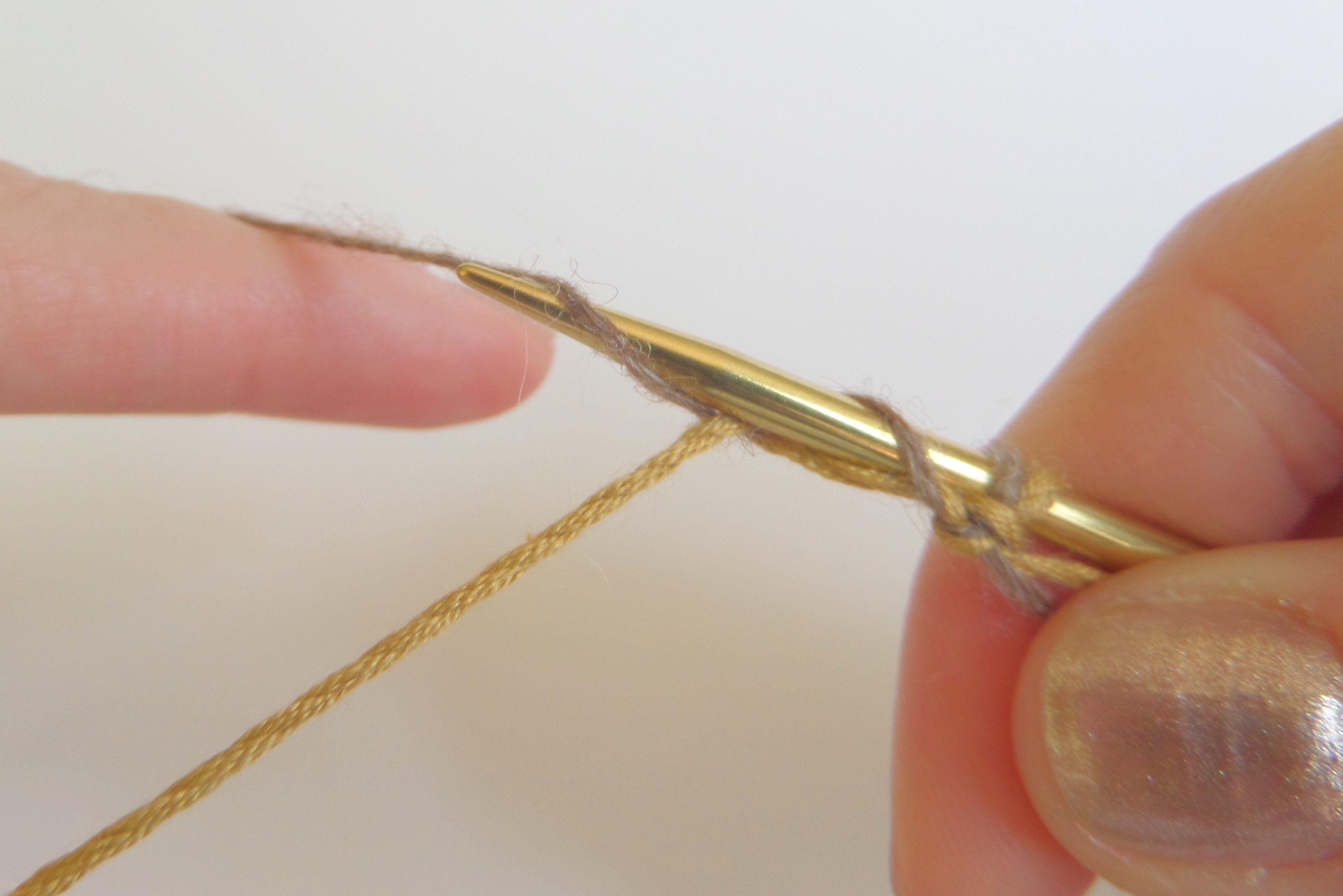
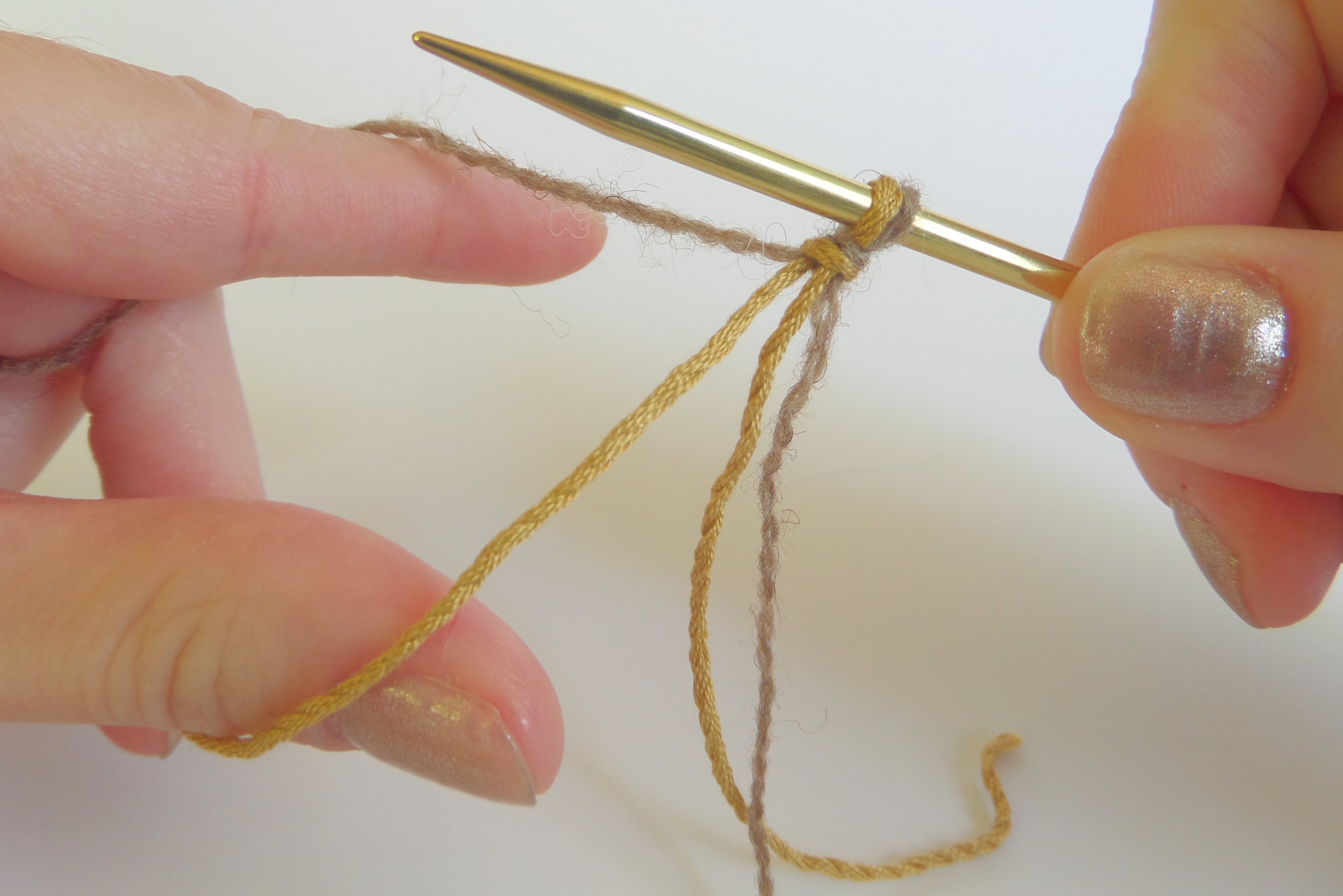
    The invisible provisional cast-on is probably the easiest and fastest way to cast on, once you get the hang of it. To start, you’ll need the needle and yarn you are using for your project, and a spare circular needle or smooth waste yarn for holding the provisionally cast on stitches. If you are using waste yarn to hold your stitches, make a slip knot with both yarns held together and place it on the needle. This is only used to hold the yarn in place and doesn’t count as a stitch.

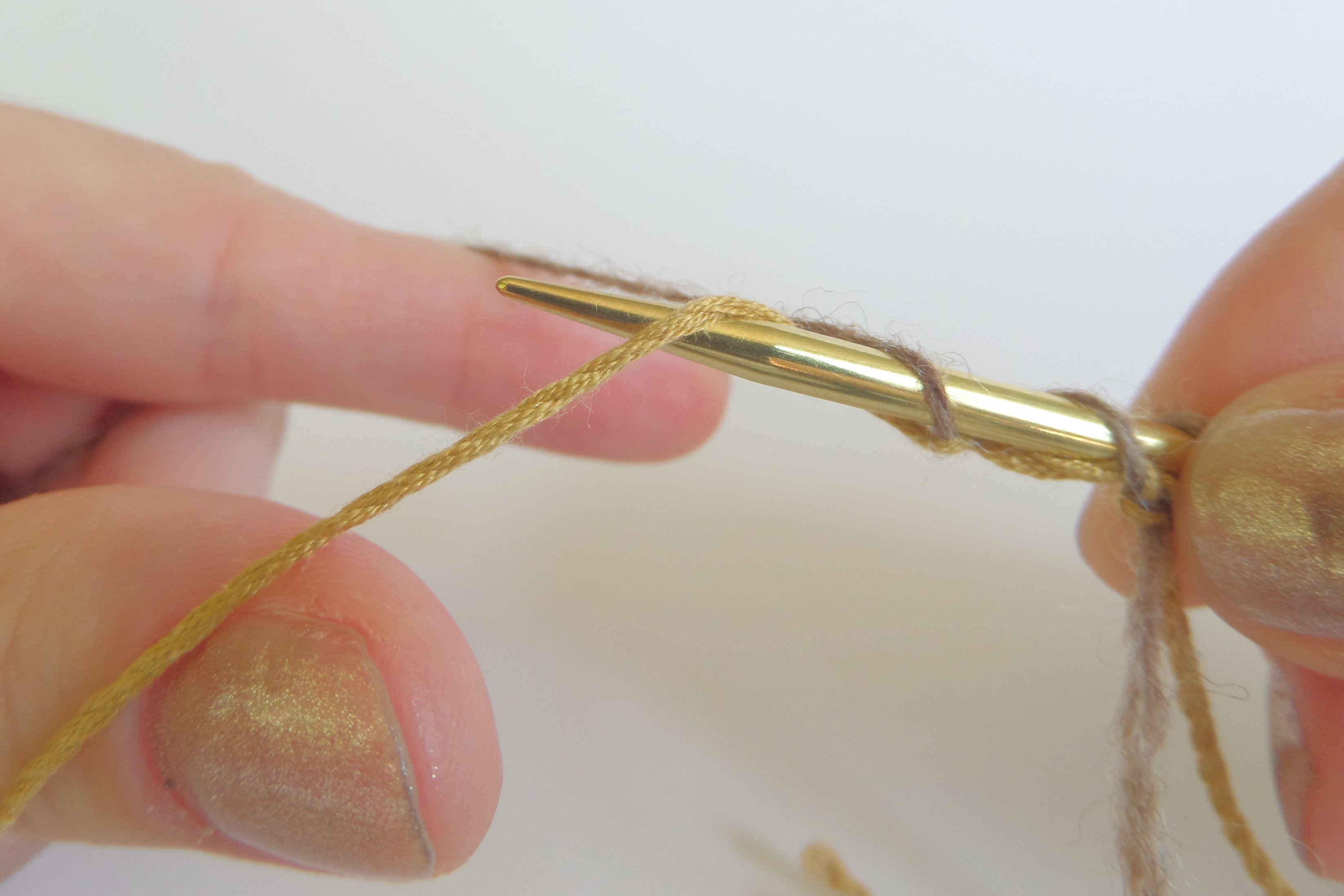
    The waste yarn is held over the thumb and the working yarn is held over the forefinger, similar to a long tail cast-on.


    The needle goes under the waste yarn from front to back…


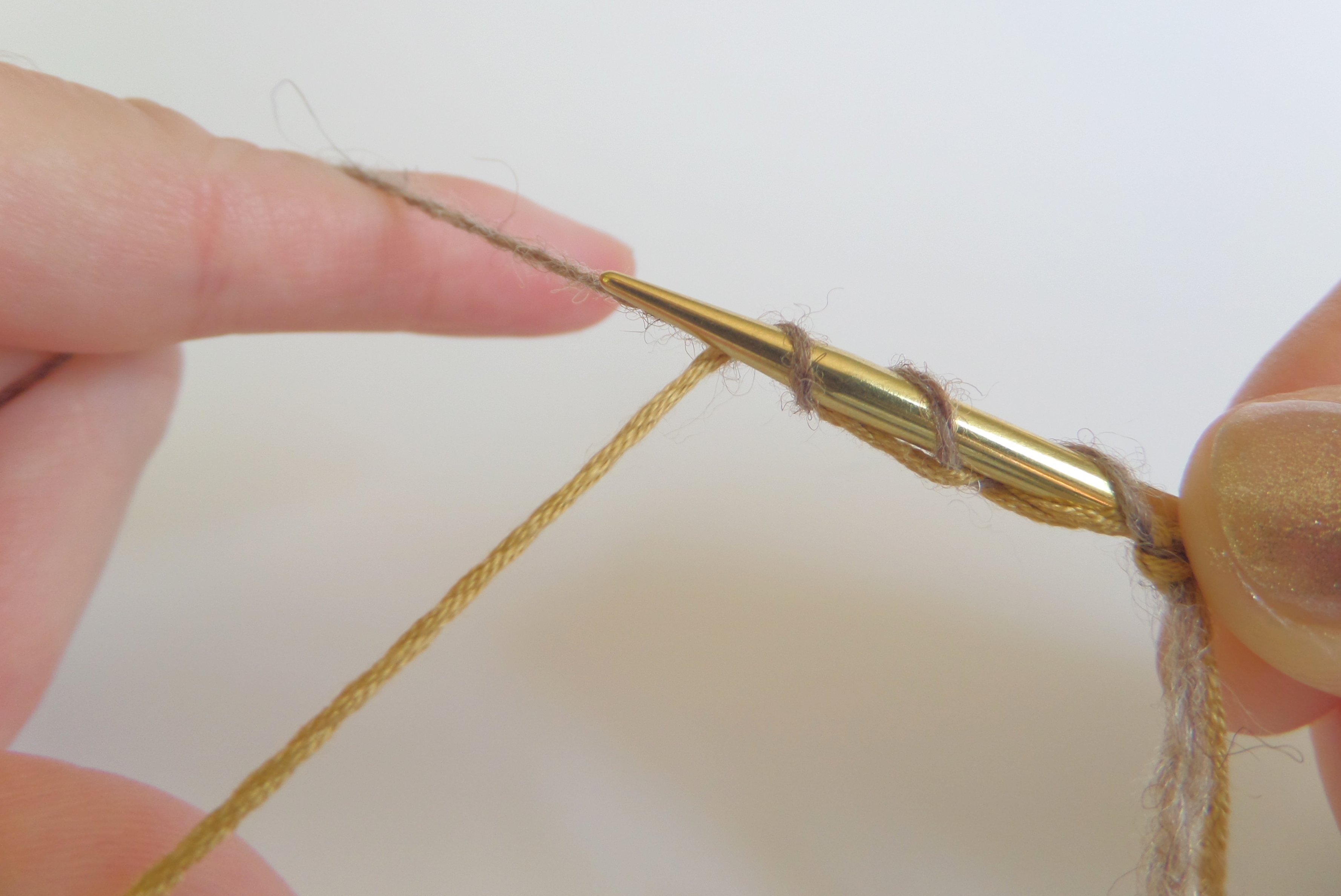
    over the working yarn from back to front…


    and back to front under the waste yarn. One stitch cast on.


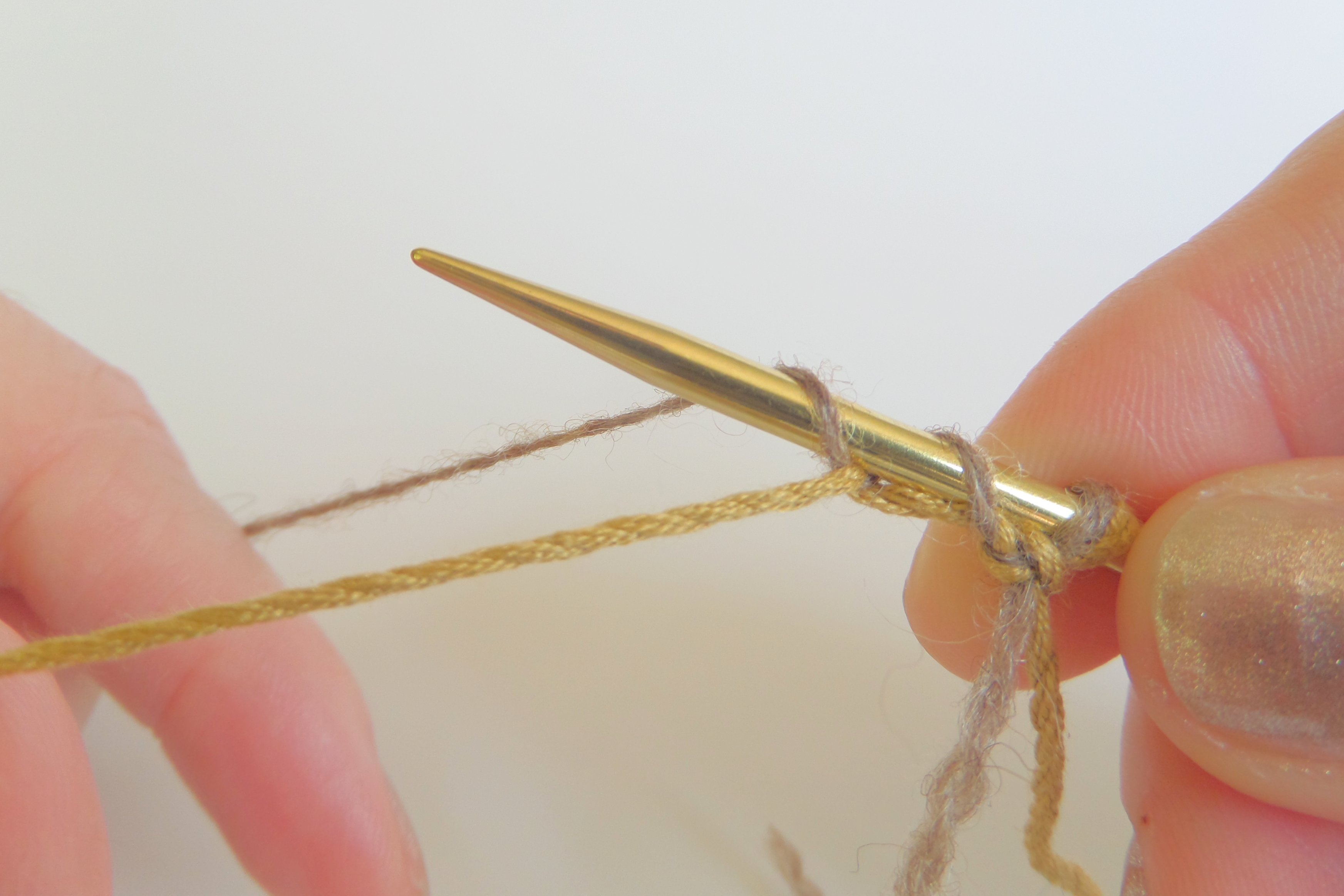
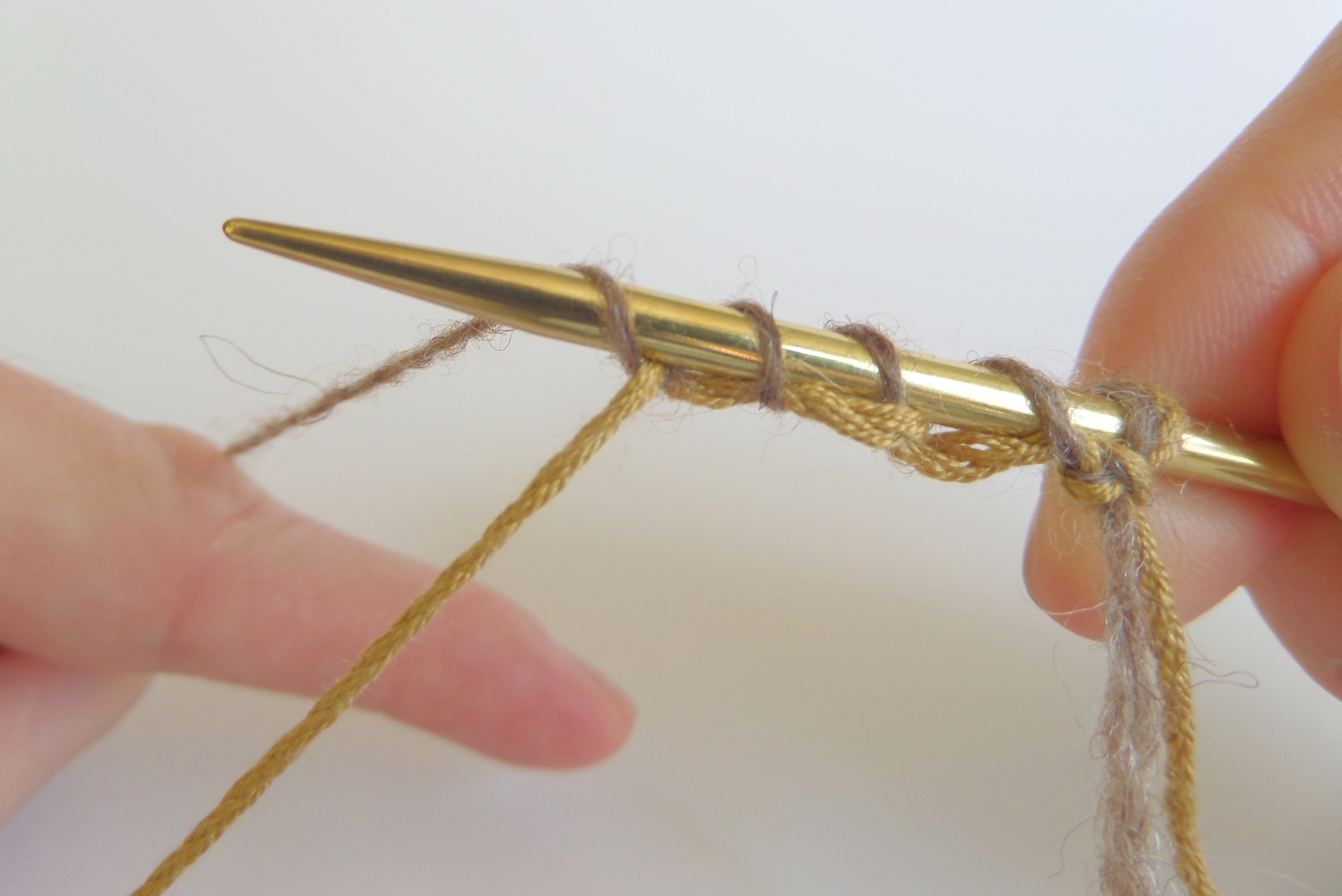
    For the next stitch the working yarn goes over the needle, just like a yarn over.


    Two stitches cast on.


    1. Under the waste yarn…


    2. over the working yarn…


    3. back under the waste yarn.


    4. Yarn over the needle.


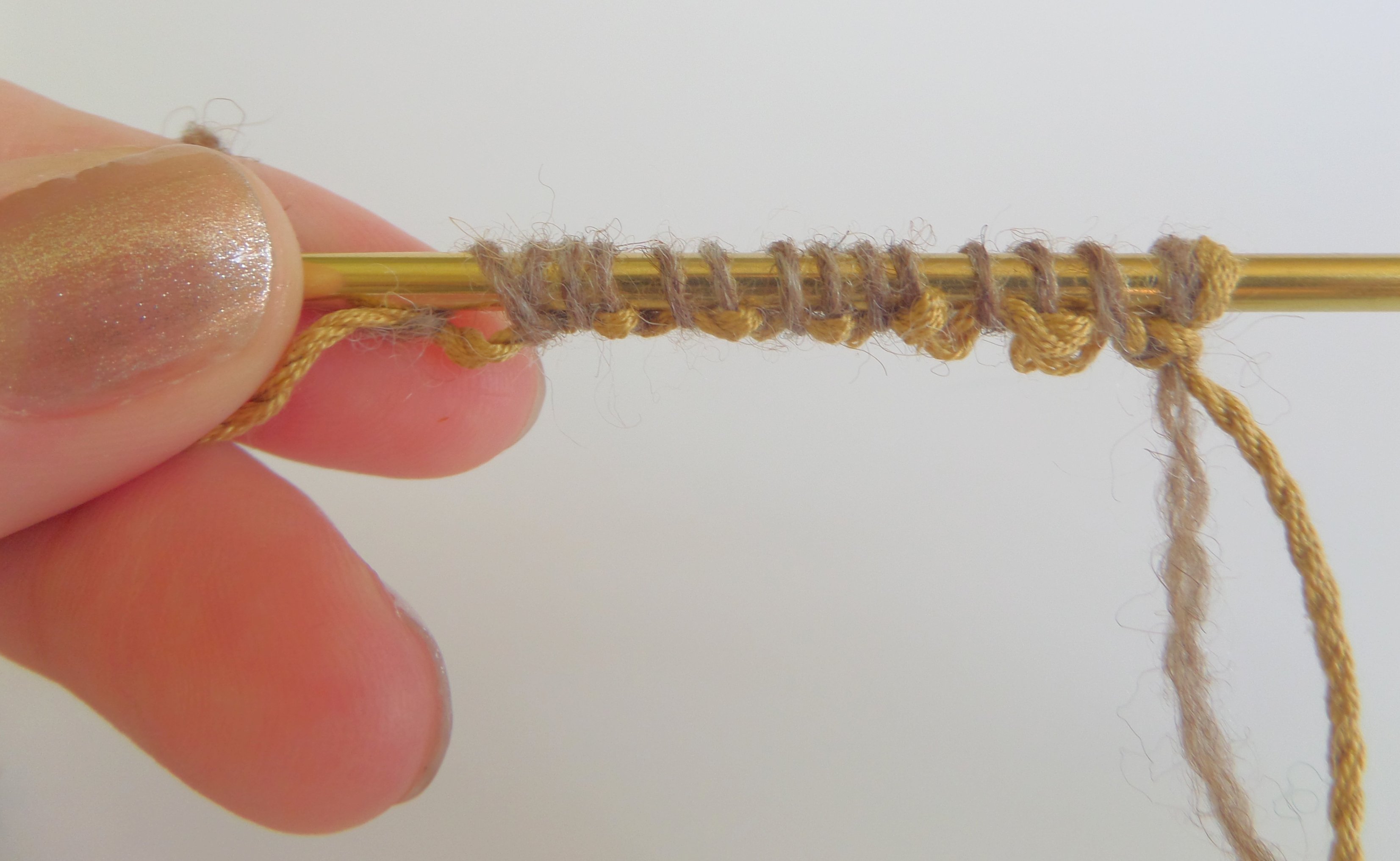
    Two more stitches cast on.
    Repeat 1-4 until you have cast on all the stitches you need. If you need an odd number of stitches, repeat 1-3 once more.

    When you are ready to pick up the provisionally cast on stitches, Slip them onto the needle following the path of the waste yarn, then pull out the waste yarn. You will notice that every other stitch is mounted with the right leg to the back of the needle. You will have to turn the stitches the right way around by working into the back loop on the first row.

    Slip the provisionally cast on stitches onto the needle.
    Work into the back of every alternate stitch to prevent them being twisted.


    When worked in stockinette or garter stitch the provisional cast-on is completely invisible. I like to use this cast-on for toe-up socks, top-down hats, and the underarms of top-down sweaters. This is also the same cast-on used for Moebius knitting.

    Thank you for knitting!
  • The Crochet Chain Cast On

    The Crochet Chain Cast On

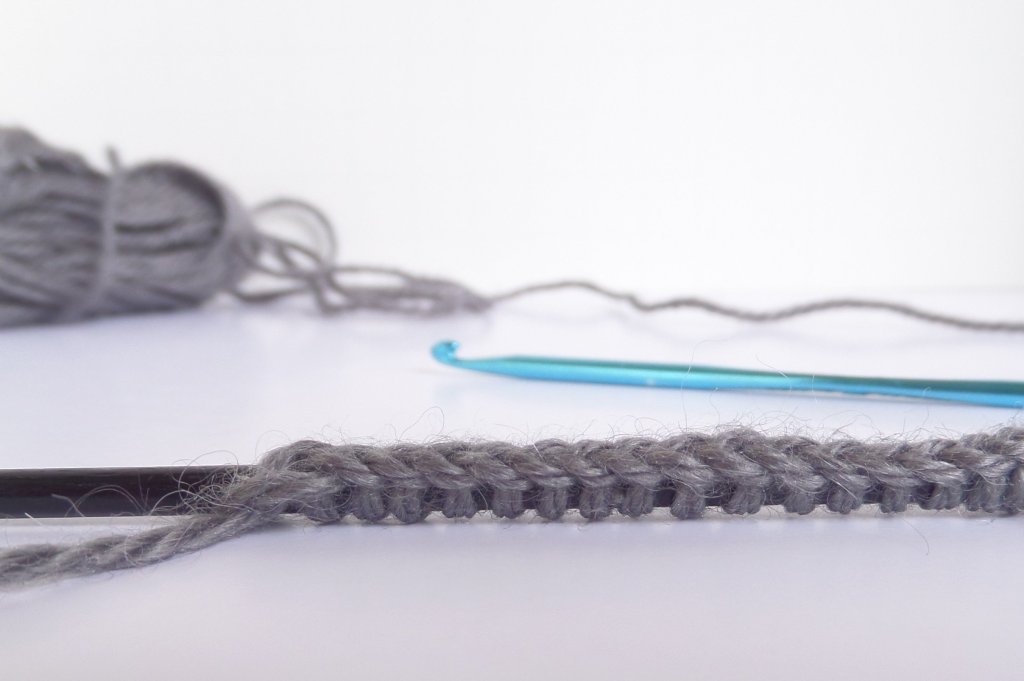
    The crochet chain cast on is one of my favorites. When worked in a smooth, contrasting yarn it can be used as a provisional cast on, holding the stitches securely until you are ready to slip them onto a needle. When used as a regular cast on the neat little chain stitches perfectly mirror a regular bind off, making it ideal for scarves and blankets. If you crochet as well as knit this will probably be an easy technique for you, if you don’t it may take a little more practice but it’s well worth it! To begin you’ll need some yarn and an appropriately sized needle and crochet hook. The hook should be roughly the same size as the needle.

    SAMSUNG CAMERA PICTURES
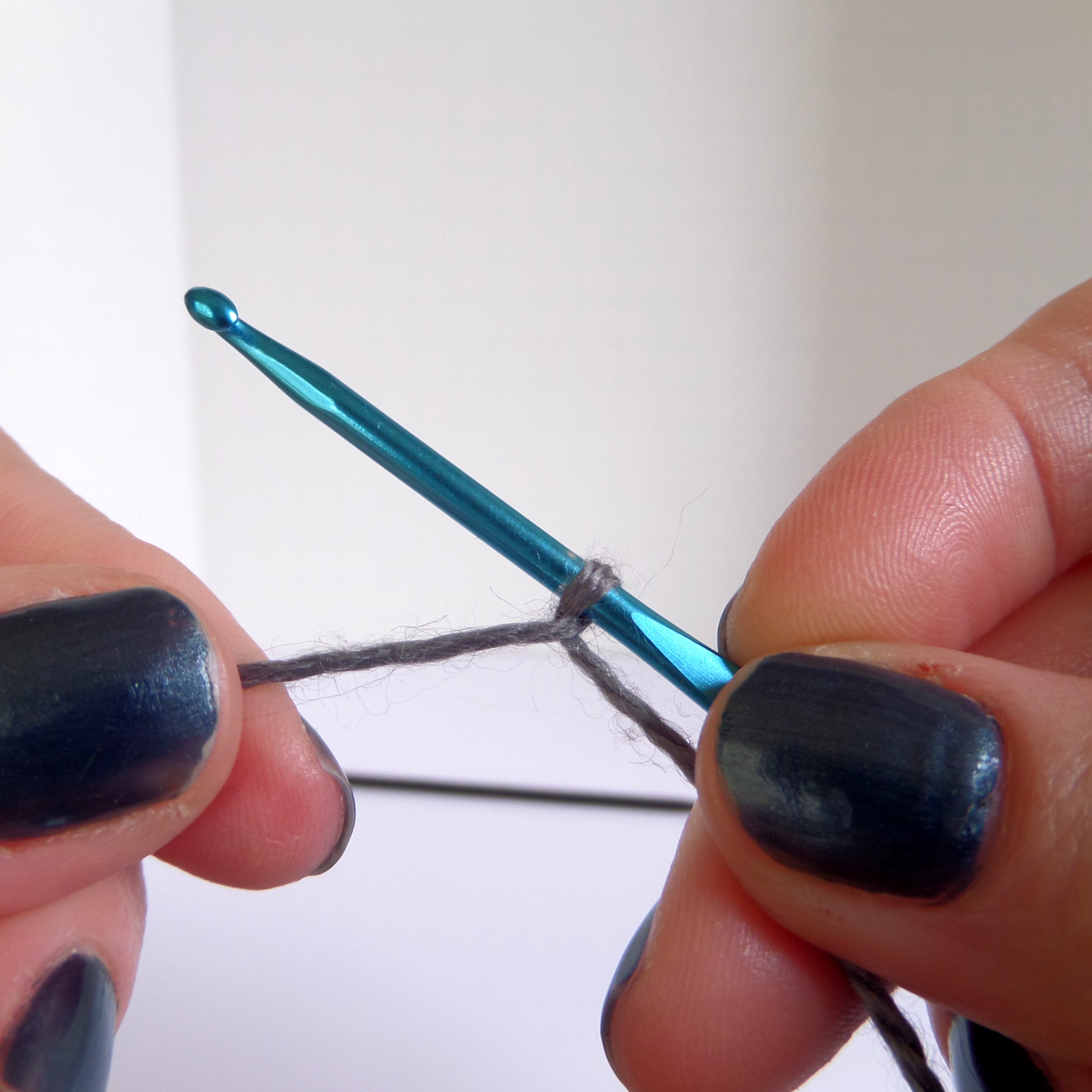
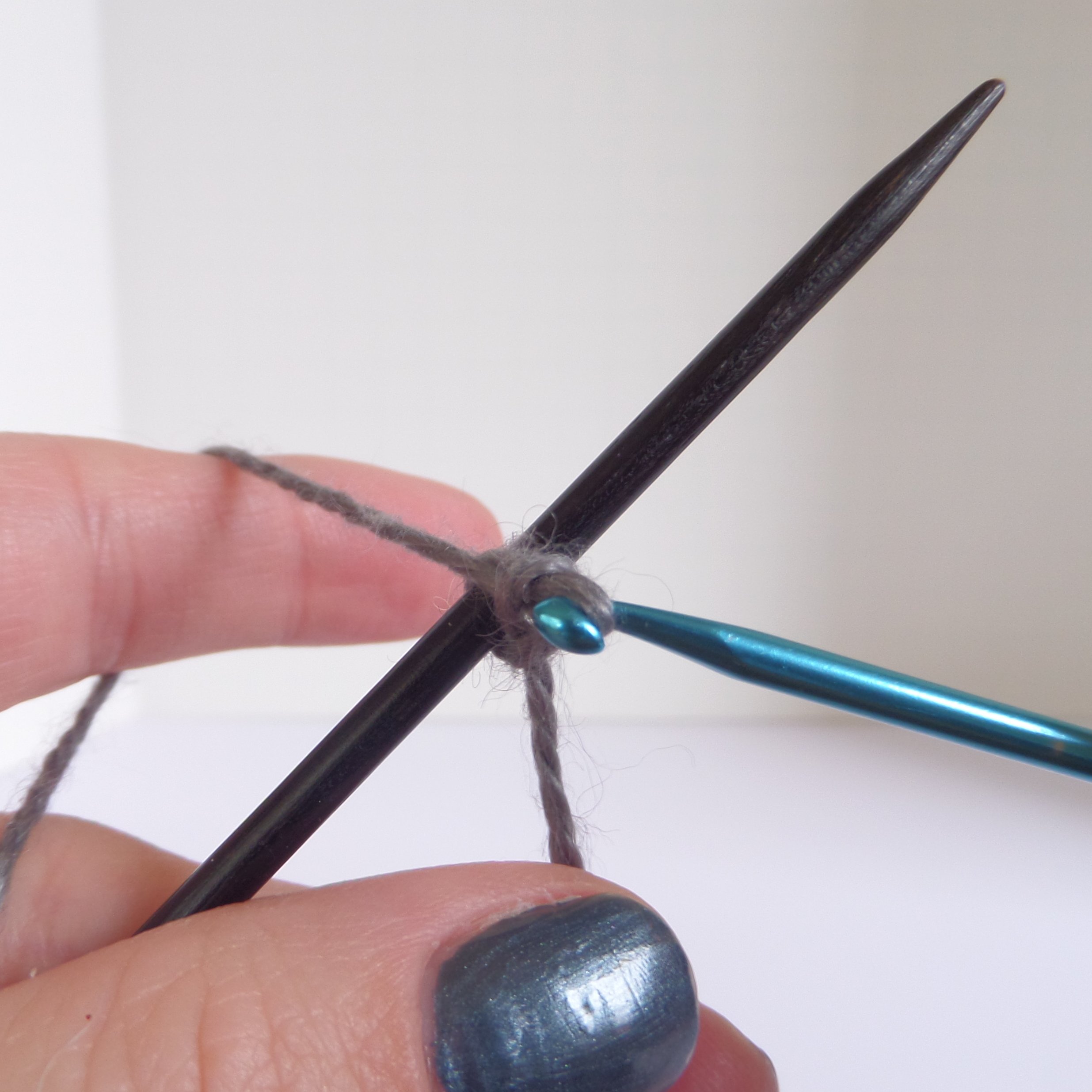
    Begin with a twisted loop or slip knot on the hook.
    SAMSUNG CAMERA PICTURES
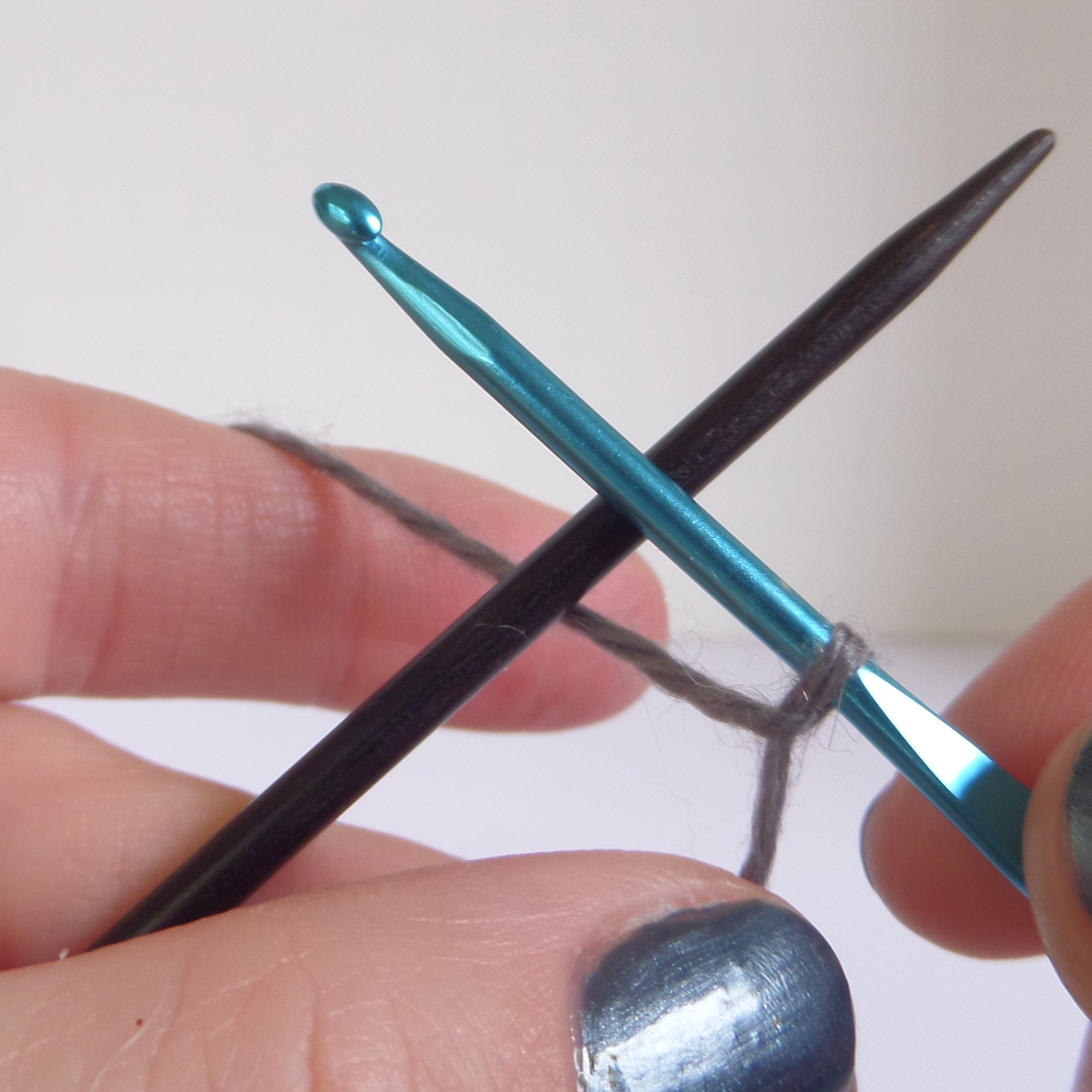
    Position the needle between the hook and the working yarn.
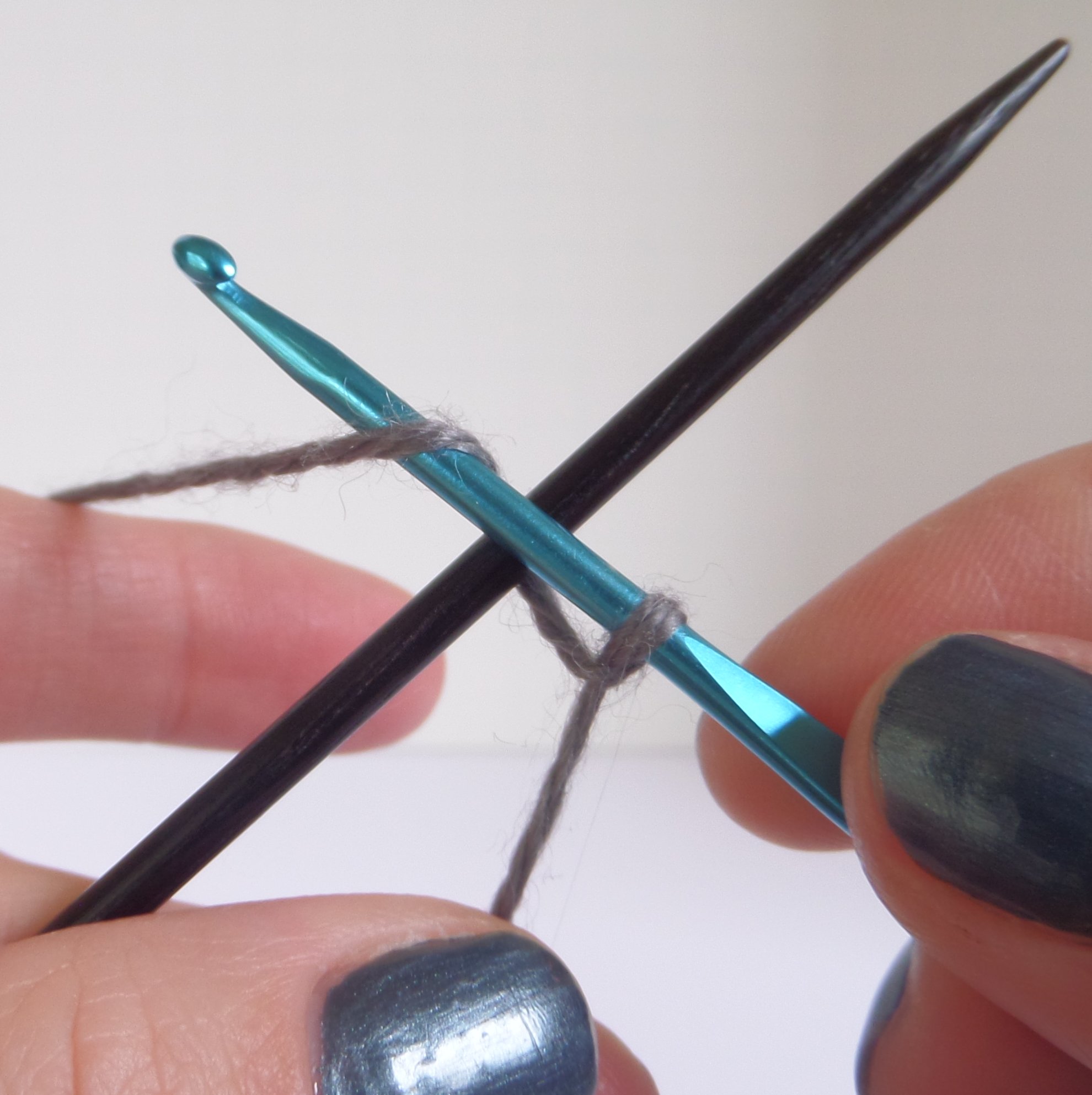
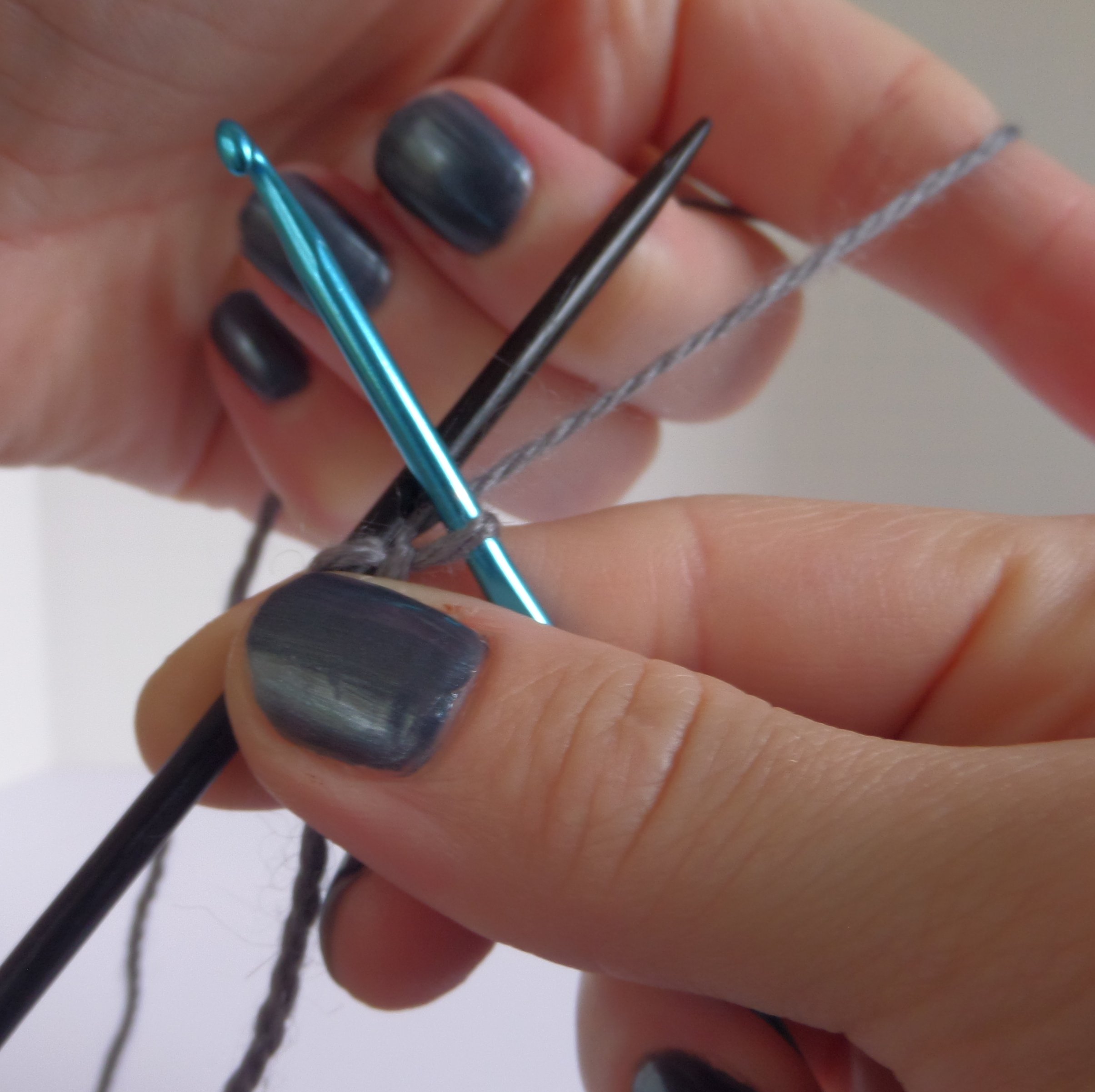
    Yarn over hook from right to left.
    Yarn over hook from right to left…
    SAMSUNG CAMERA PICTURES
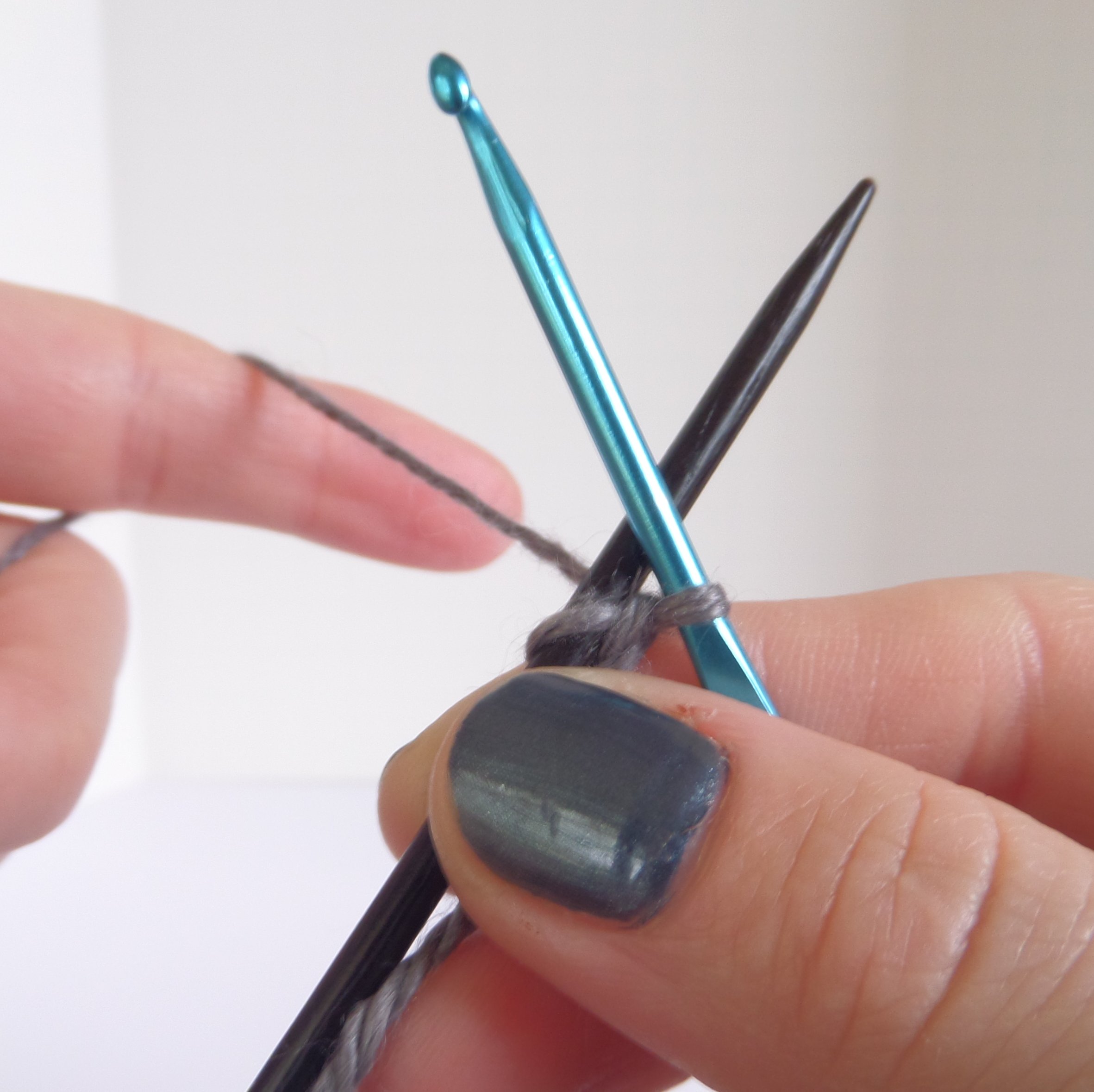
    and pull the loop through.
    SAMSUNG CAMERA PICTURES
    Bring the yarn to the back between needle and hook.
    SAMSUNG CAMERA PICTURES
    Ready to cast on the next stitch.
    SAMSUNG CAMERA PICTURES
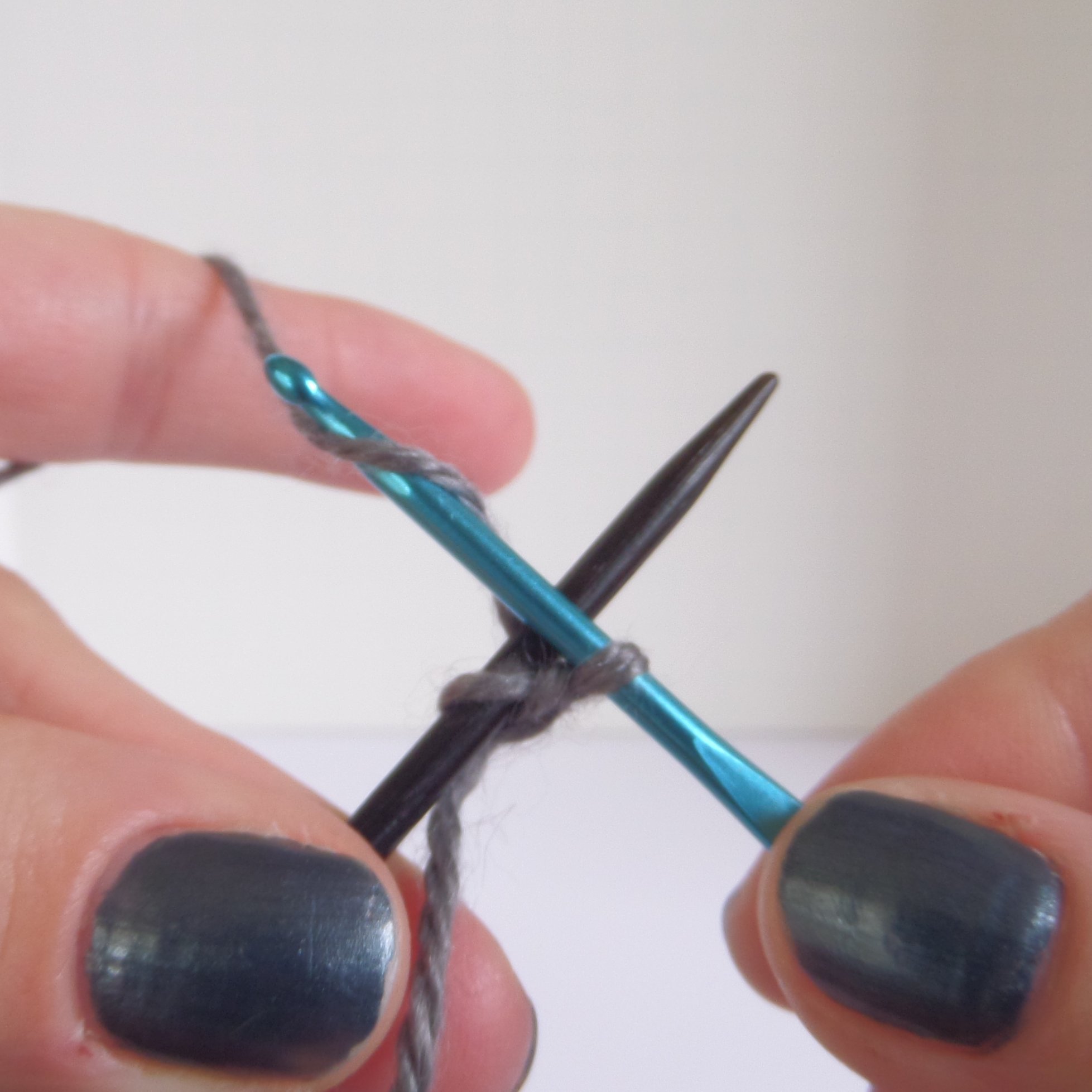
    Yarn over hook…
    SAMSUNG CAMERA PICTURES
    and pull the loop through.

    If you are working a regular cast on, continue casting on until you have one less than the number of stitches needed. The loop on the hook becomes the last stitch.

    SAMSUNG CAMERA PICTURES
    Slip the last stitch on the hook onto the needle.
    SAMSUNG CAMERA PICTURES
    The completed cast on.

    For a provisional cast on, cast on the correct number of stitches and do not place the last loop on the needle. Instead, break the yarn and leave a long loop to make it easy to undo the cast on later.

    SAMSUNG CAMERA PICTURES
    Completed provisional cast on.

    I hope this helps you to try the crochet chain cast on and it becomes one of your favorites too.

    Happy knitting!