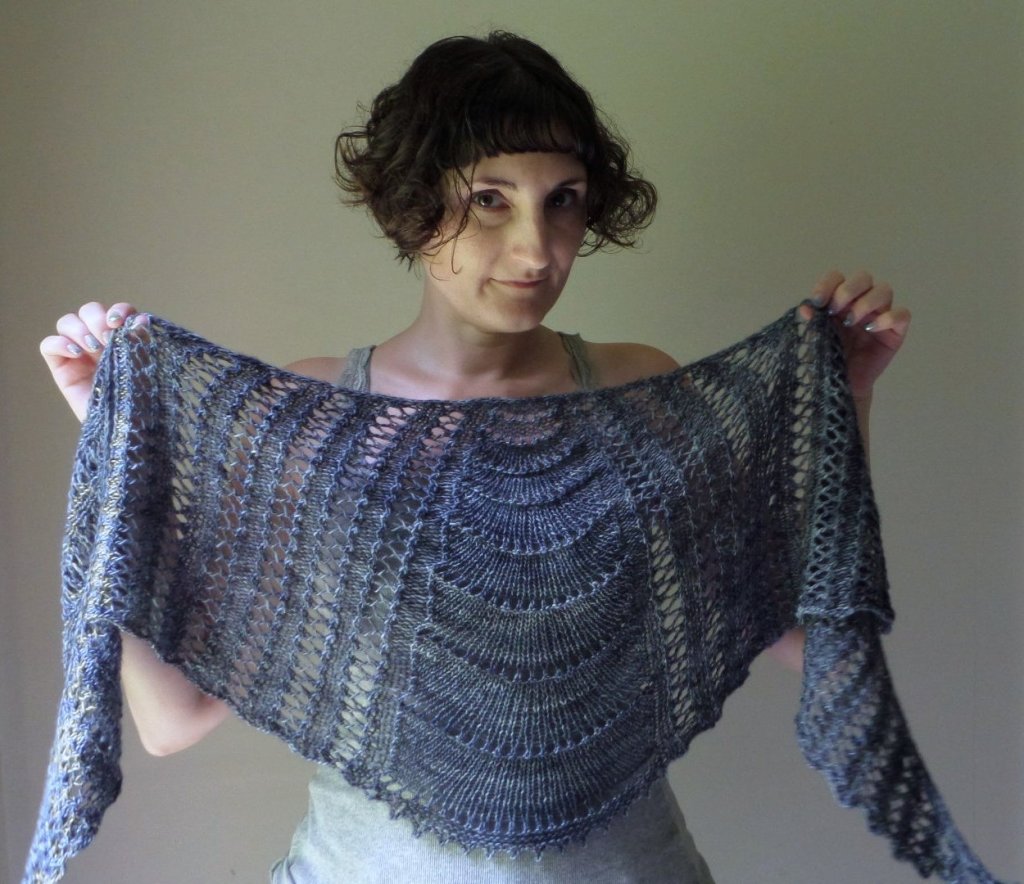
I had a marvelous birthday! I received happy birthday messages from all over the world, along with thanks and compliments on the Wake shawl pattern. Thank you everybody for making my birthday very, very happy!
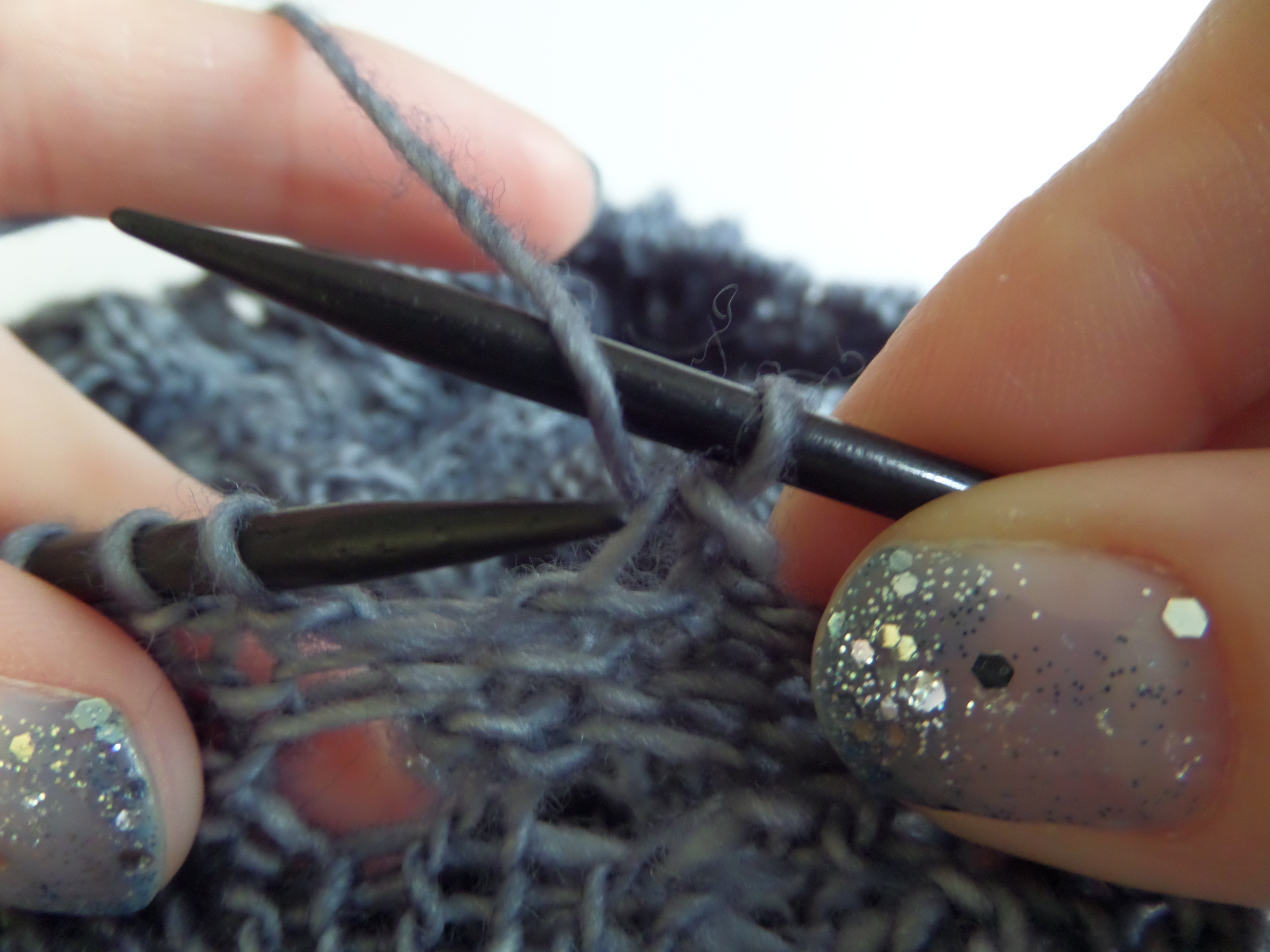
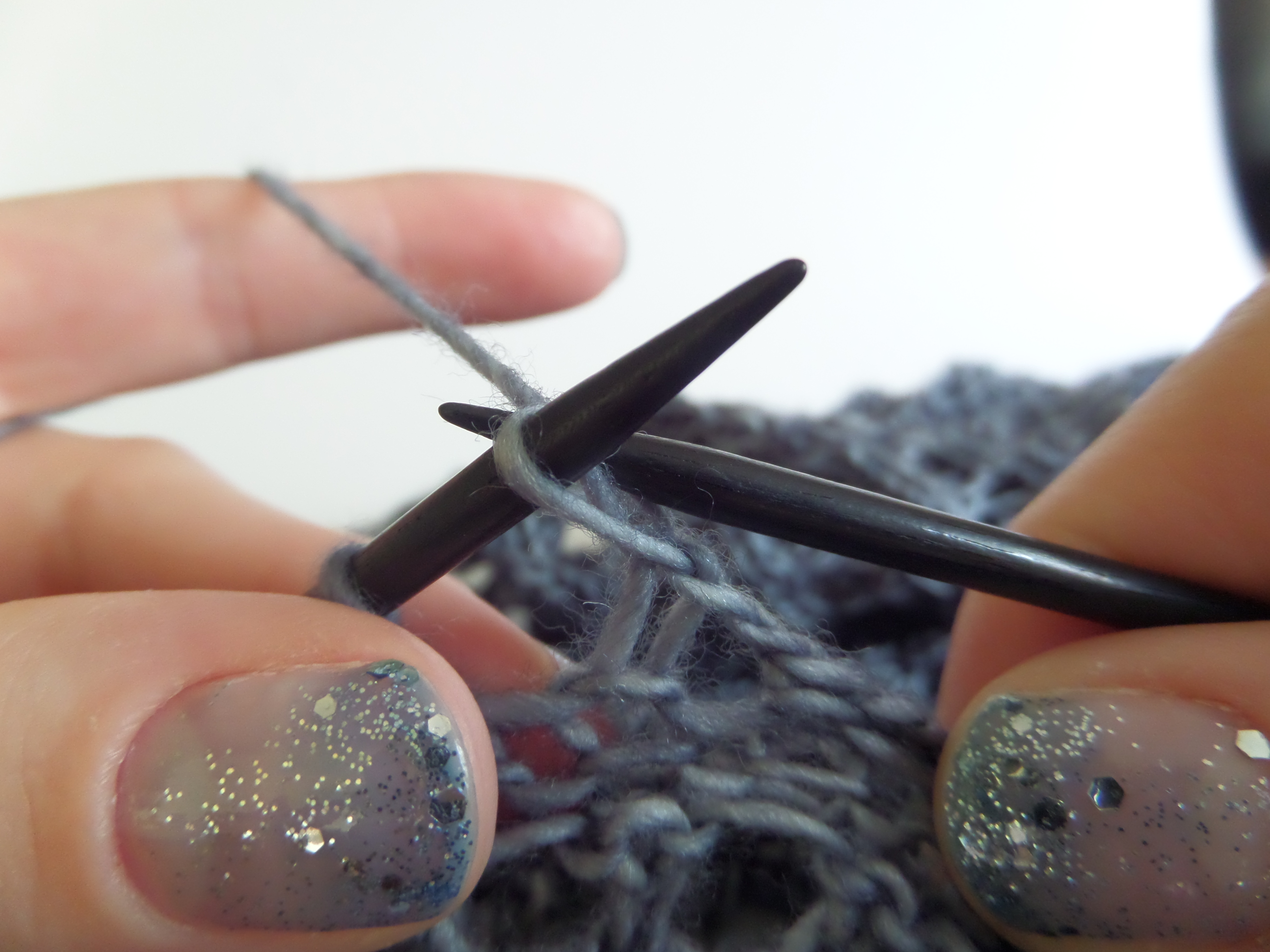
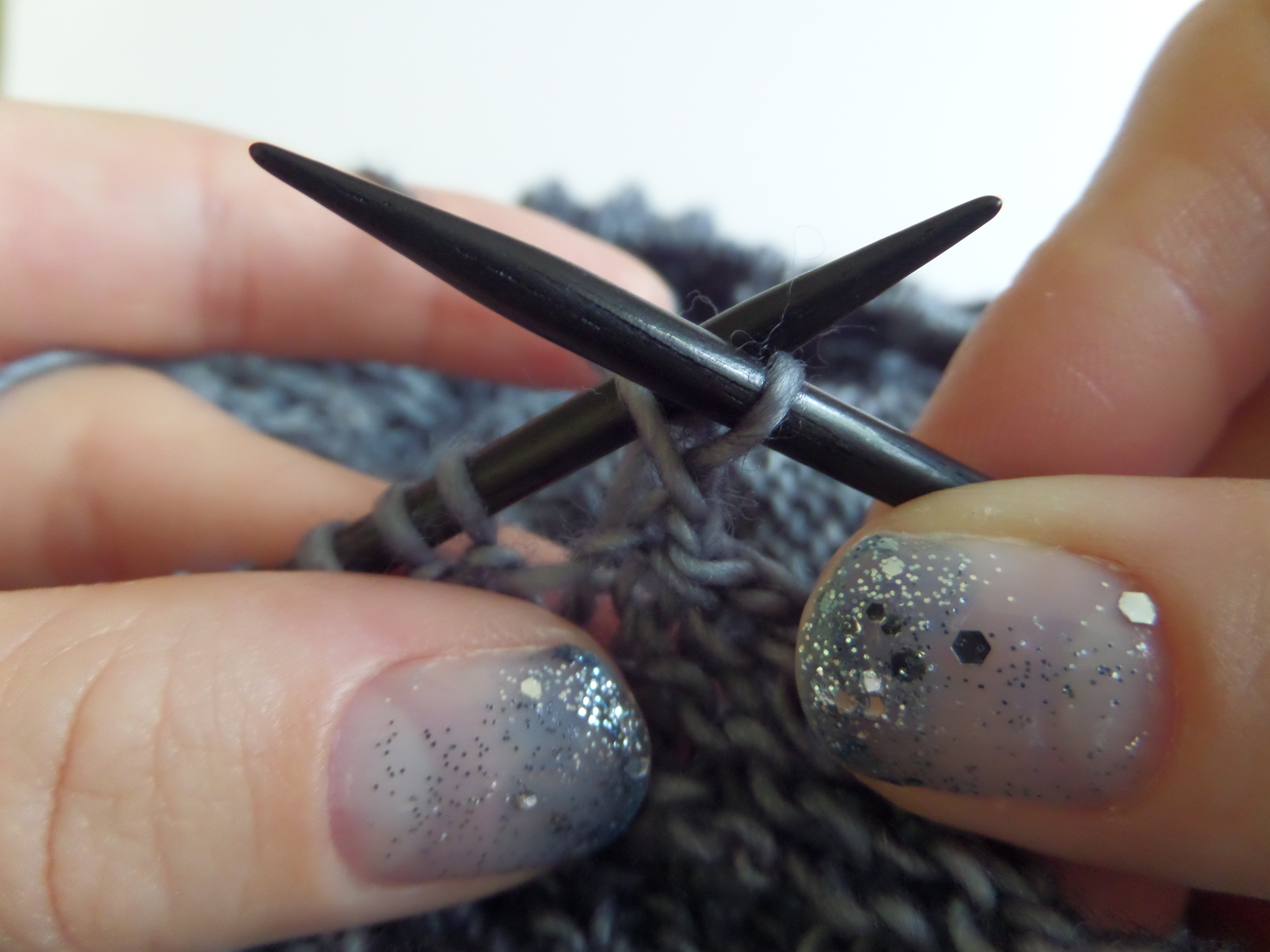
My knitting group has been watching me knit all the samples for the Beach Collection, and while I was working on Wake they gave me some helpful suggestions on how to improve the pattern. When I went to knitting group last week a few of them had already cast on for Wake, but were having trouble getting the gauge with the recommended needle size. Although I used a size 6/4 mm, you should use whatever needle size gives you the correct gauge. That brings up this question; how do you measure gauge in pattern?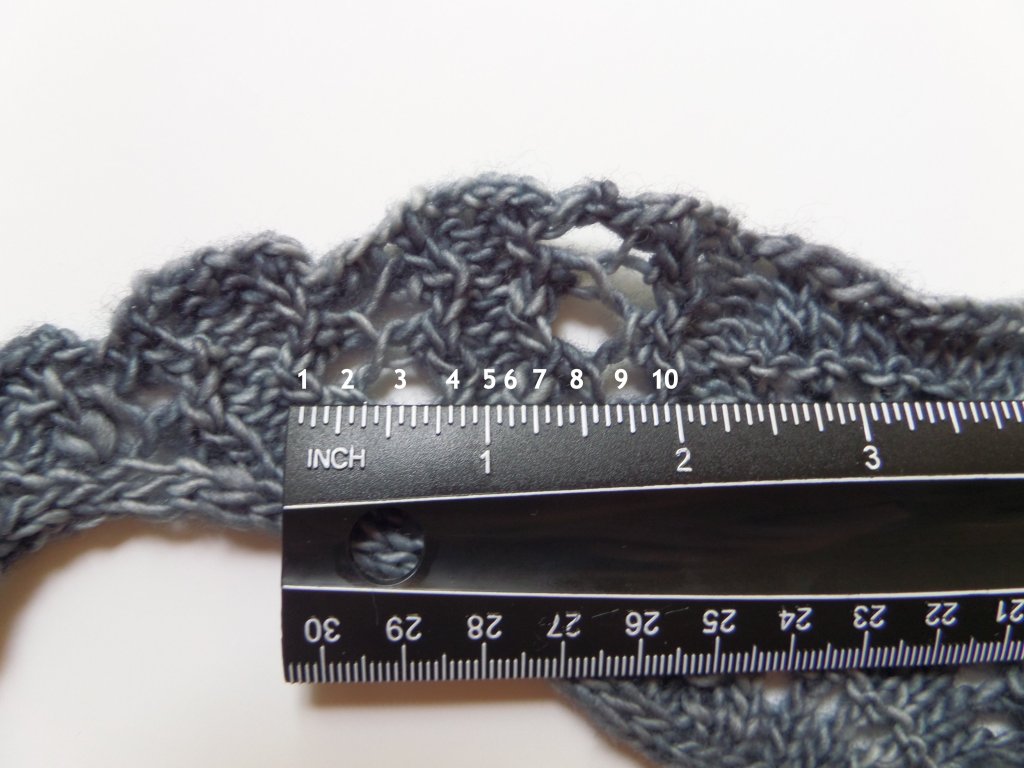
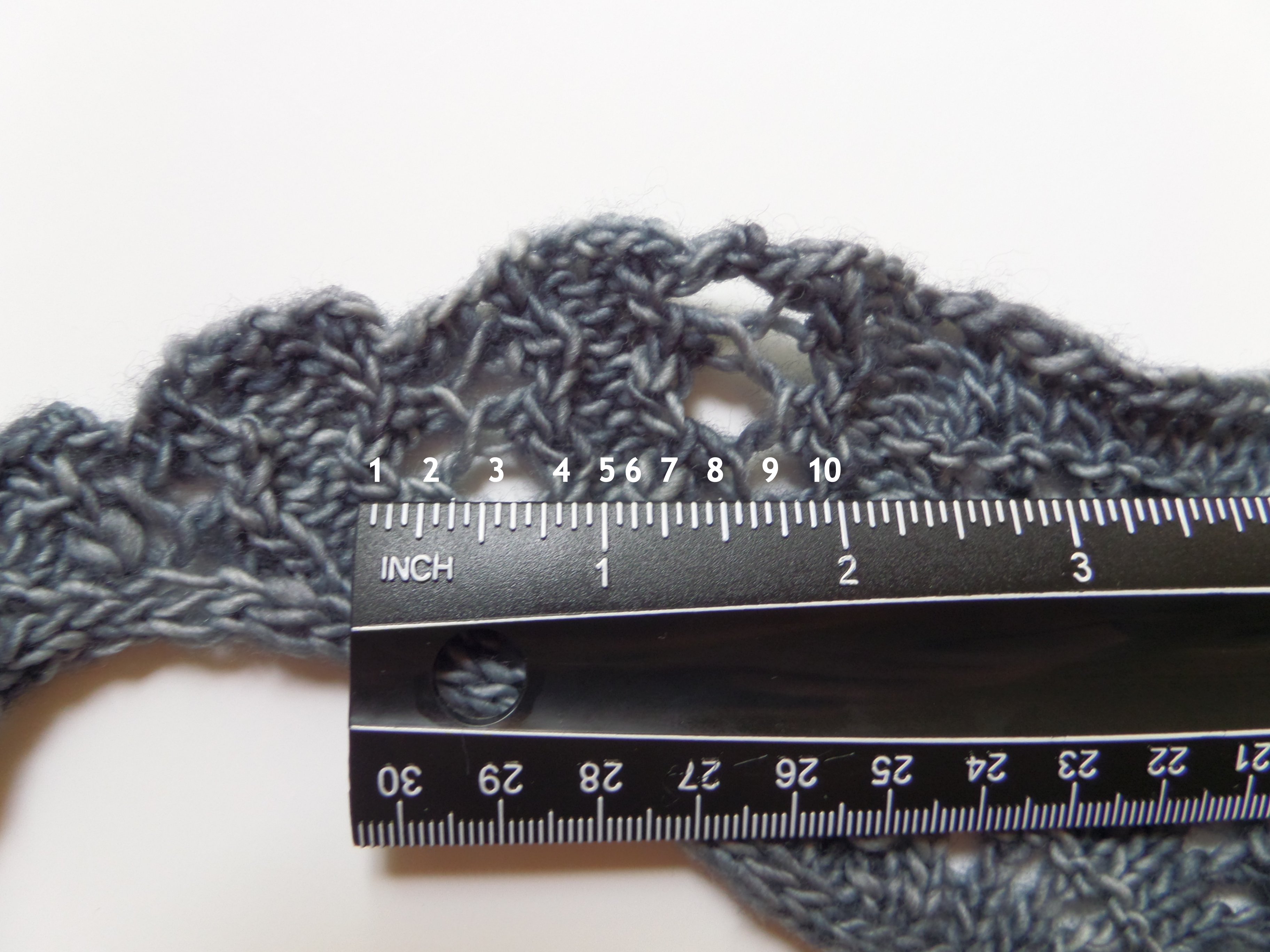
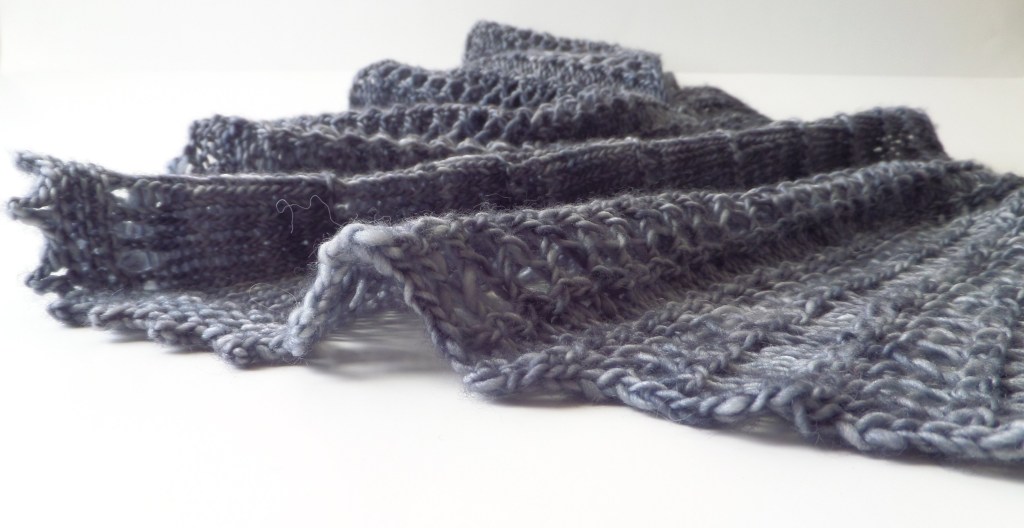
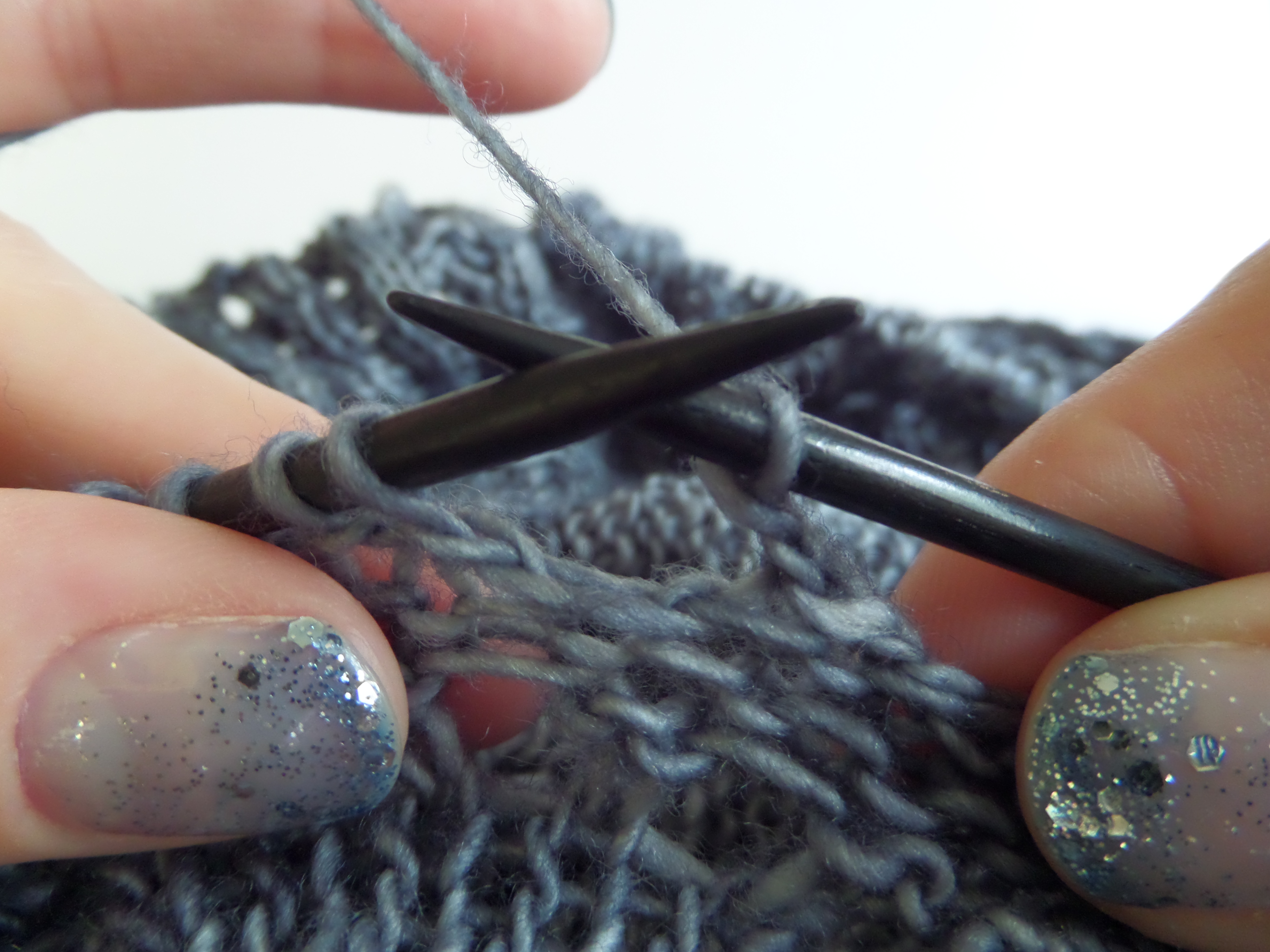
Although I am a staunch advocate of the swatch, you don’t necessarily have to make a swatch to measure your gauge. When you are working on something that starts very small and gets bigger quickly, like the Wake shawl, you can measure your work on the needles and make adjustments from there. When you have a few inches worth of stitches, spread your work out on the needle, or thread your stitches onto waste yarn to allow them to spread out. We know from our pattern that there are 4 knit stitches in the Ripple Lace pattern followed by 2 purl stitches, so even if we can’t see all the stitches clearly, we know they’re there and we can count them. The unblocked swatch in the photo above has 10 stitches to 2 inches, which is the same as 20 stitches to 4 inches. That’s the unblocked gauge.
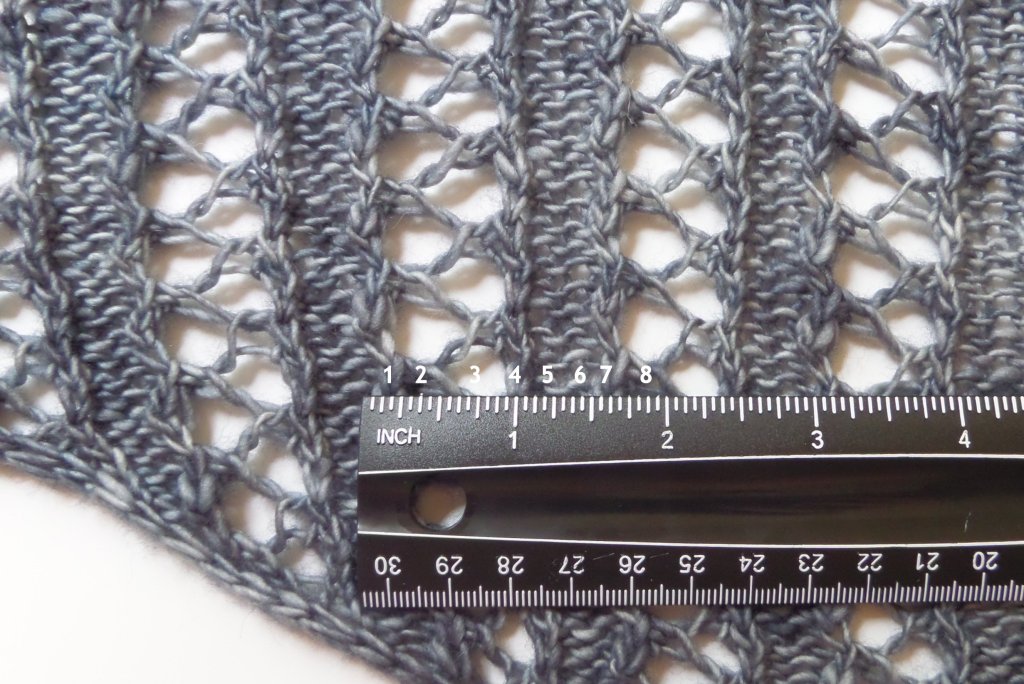
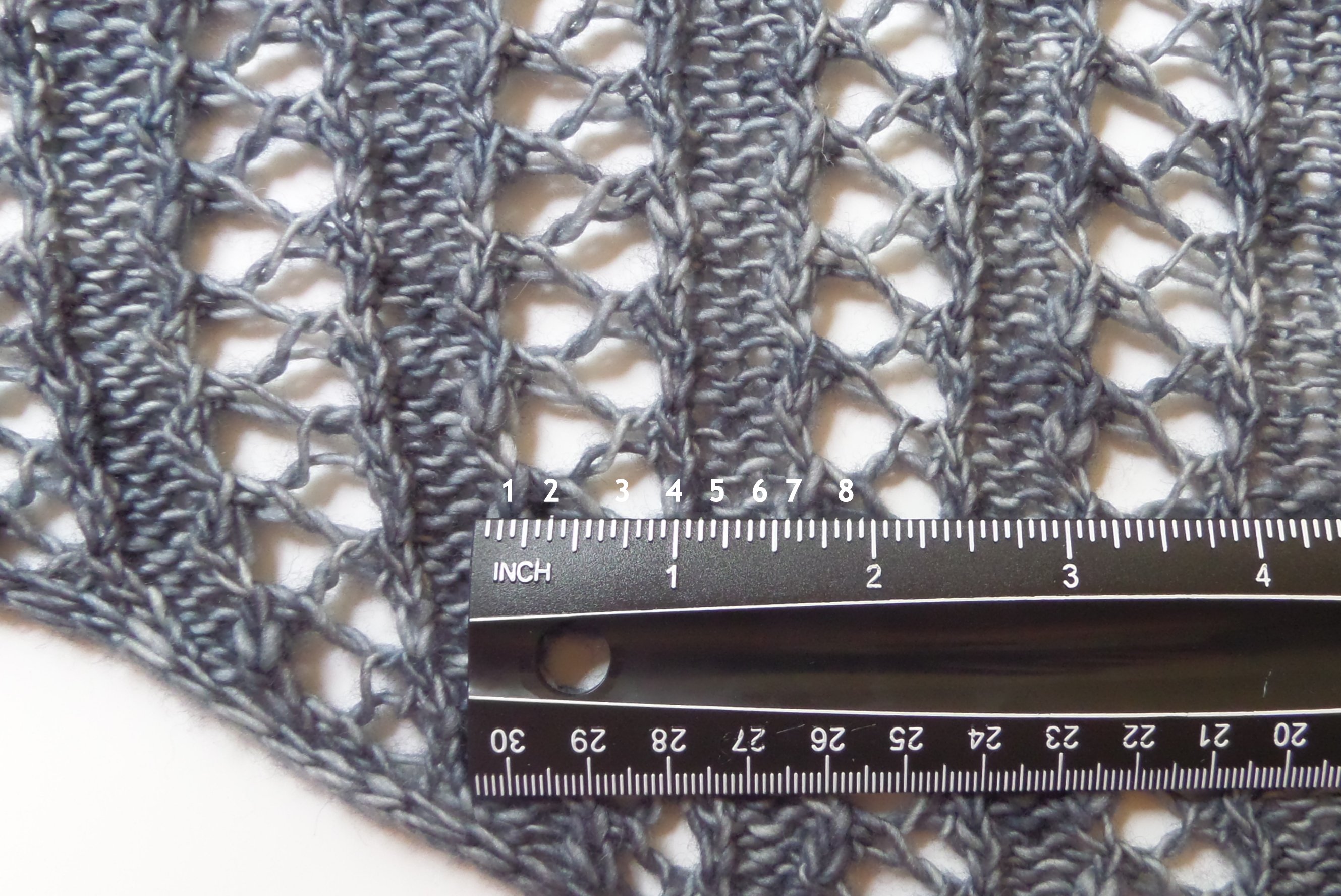
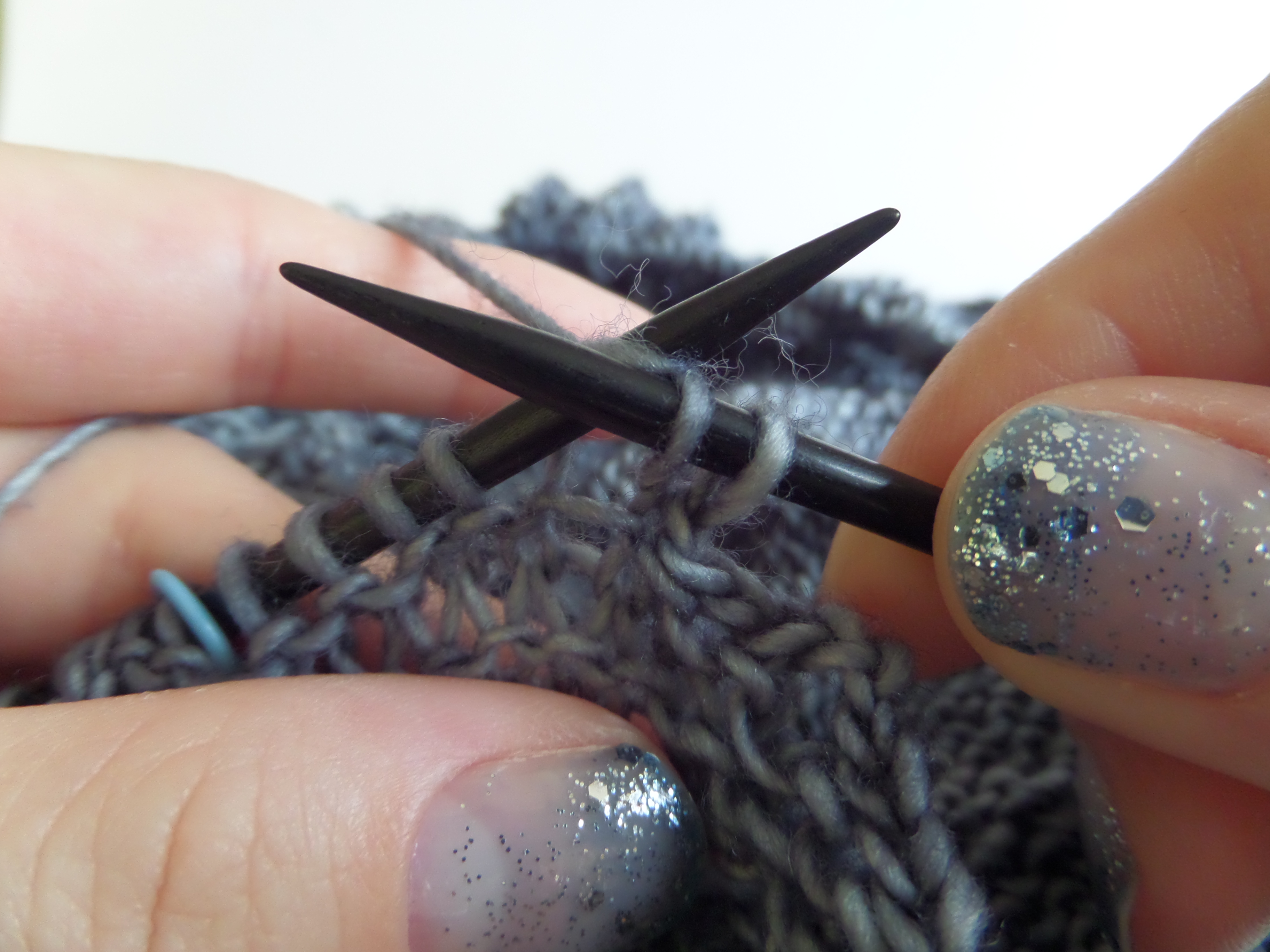
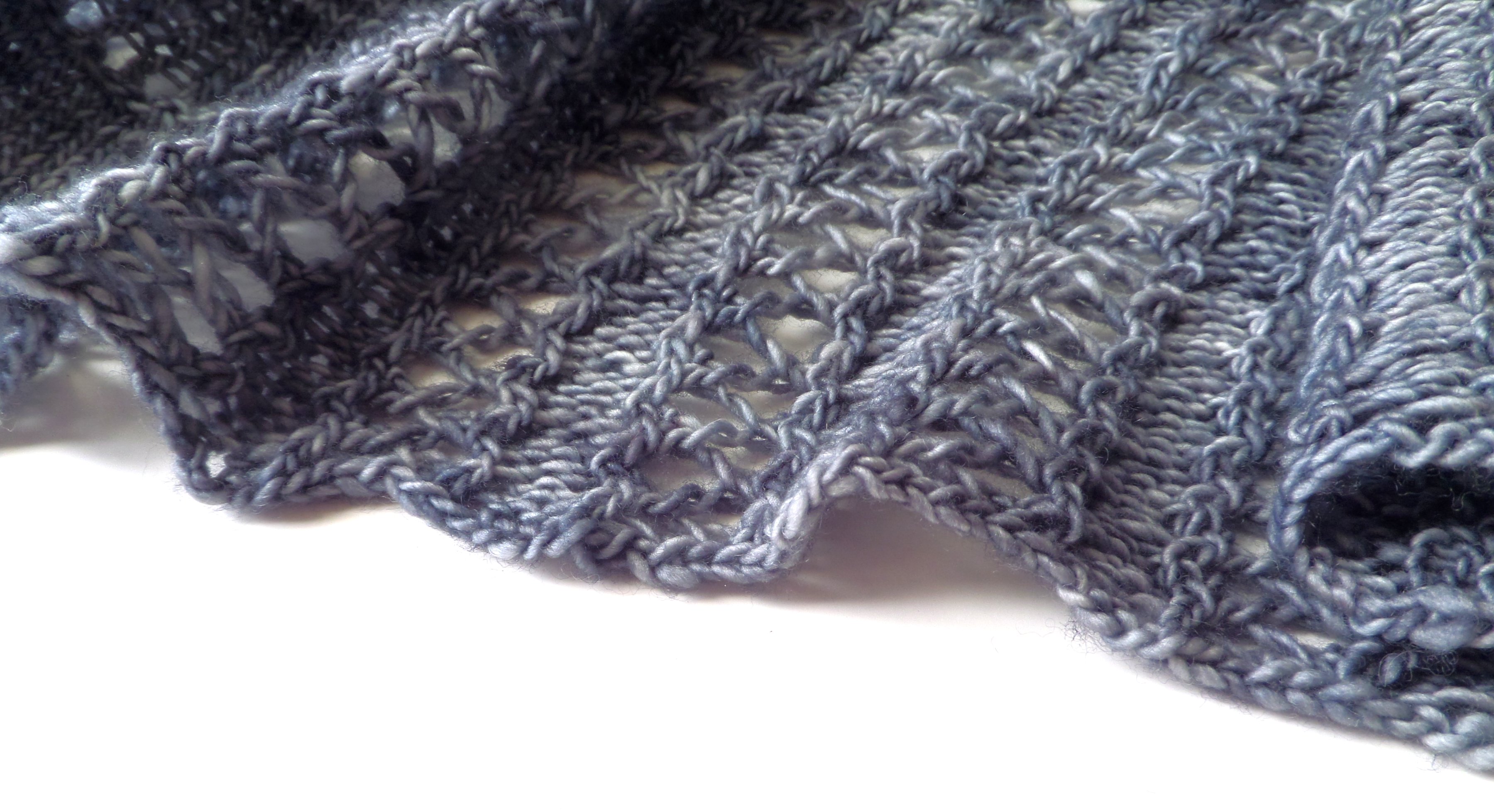
The most accurate way to measure gauge is after blocking, and again, you don’t necessarily have to make a gauge swatch to do this. I often block my knitting while it is still on the needles, like I did in the photo above, just to reassure myself that the finished object will turn out the way I want it. If your needle is not long enough to allow you to spread out your work, thread your stitches onto waste yarn. Use a spray bottle to spray your shawl with water until it’s wet, then roll in a towel to squeeze out the excess water and use t-pins to block your work. You can see how much the stitches have spread out with blocking in the photo below, and now we have 8 stitches to 2 inches, or 16 stitches to 4 inches, which is the gauge specified in the pattern.
I hear you out there. I hear you saying It’s just a shawl. Gauge doesn’t matter! It’s true that you don’t have to knit to the exact gauge specified in the pattern to make a very nice shawl, but gauge does matter. The finished measurements and the required yardage/meterage are calculated based on the gauge of the pattern. Change the gauge and everything else changes too. If your stitches are smaller (there are more per inch) your shawl will turn out smaller and you will use less yarn, which may be exactly what you want if you are knitting with a lace weight yarn rather than the fingering weight called for in the pattern. If your stitches are larger (less of them per inch) your shawl will turn out larger and you will need more yarn, which is fine too, if that’s what you want. The reason I wrote all the Beach Collection shawls in three sizes is so you can make adjustments according to your gauge and your yarn. So do what you like, and plan accordingly. As Elizabeth Zimmermann used to say, “you are the boss of your knitting!”
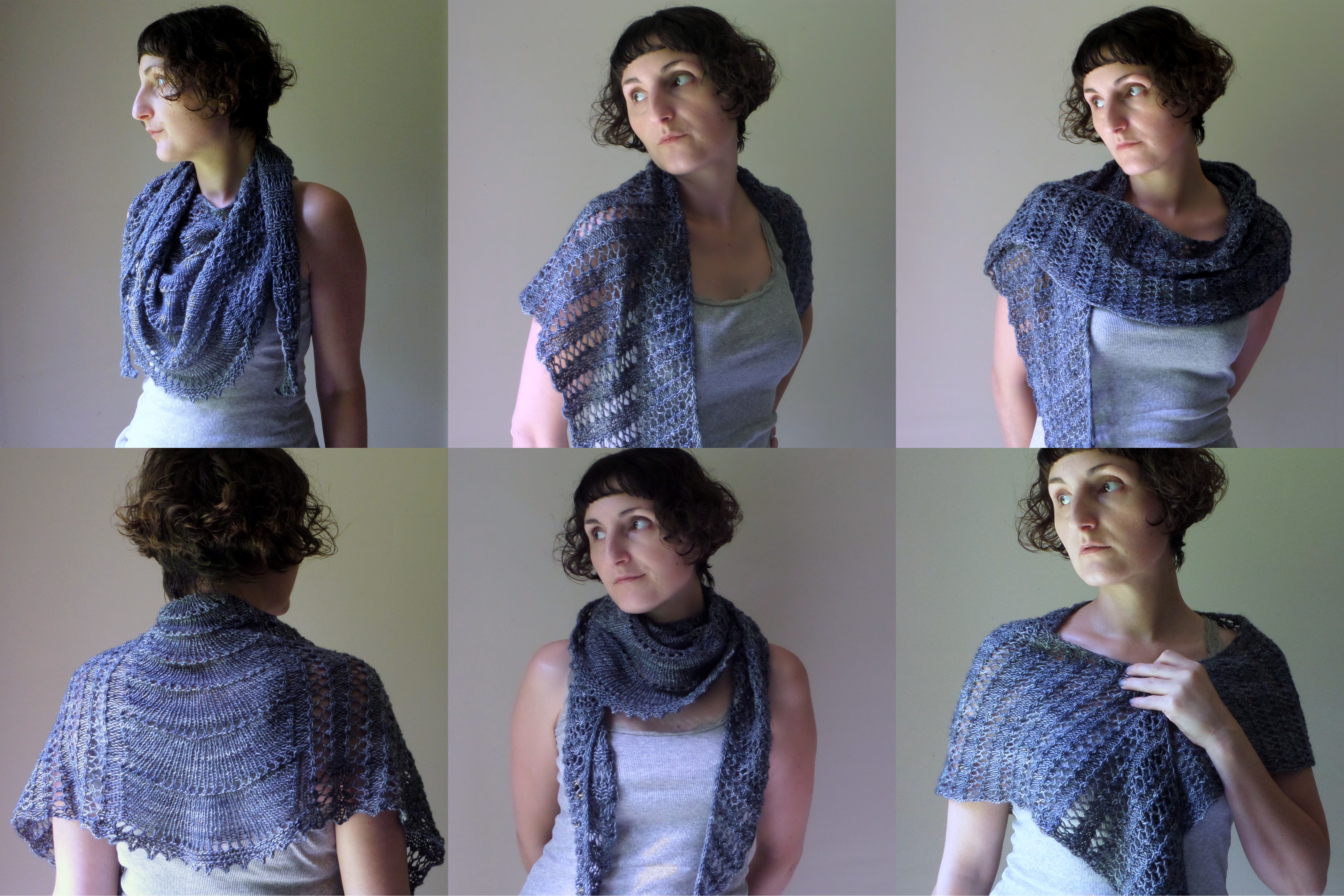
I hope this makes it a little easier to knit your own Wake shawl, because I can hardly wait to see your photos popping up on Ravelry, instagram, and Facebook! If you have a question for me you can find me all over the internet using the buttons below.
Thank you for knitting!
 Kephren Pritchett